
From Dropout to Graduate: How Educational Support Programs Change Destinies

School dropout rates are a major concern in many communities. Innovative educational support programs can help a child change their trajectory from dropping out of school to graduating. These initiatives are beacons of hope, implementing school dropout prevention strategies with targeted strategies that lift up students, families, and communities. These programs are transforming lives by addressing the root cause, whether it is economic challenges, academic struggles, or emotional obstacles. Understanding the Dropout Dilemma It is rare that a student decides to drop out of school on their own. This is usually the result of a combination of factors, including financial stress on families, difficulties with learning, lack of motivation, and poor school infrastructure. Students often feel uninterested due to lack of engagement, poor teaching methods, or feeling overwhelmed by personal challenges. Effective school dropout prevention programs recognize this complexity. They do not just focus on academics. They also aim to rebuild the student’s confidence in learning and provide emotional scaffolding. The Core Strategies that Make a Difference Educational support programs employ several transformative strategies: Early identification and mentorship Early identification of at-risk students is possible by tracking attendance and performance. Then, one-on-one mentorship helps them to re-engage both academically and emotionally. Scholarships and Financial Incentives Small stipends and scholarships can help students who are economically disadvantaged overcome their obstacles. This reinforces the idea that “your education is valuable.” Academic Tutoring & Remedial Classes Many students drop out not from lack of ability, but because they’ve fallen so far behind that catching up seems impossible without additional support. These programs can help students fill in the gaps and regain their confidence. Life Skills and Psychosocial Support Integrating emotional learning—resilience, communication, and self-esteem—within curricula helps students cope with challenges and builds a growth mindset. Parent and Community Engagement Families and communities have a crucial role to play. Parents can be educated about the importance of education through workshops. These programs, which combine these methods under the School Dropout Prevention umbrella, are more successful in keeping children enrolled and involved. Real-Life Transformations An NGO in the area introduced a program that included attendance tracking, tutoring after school, and a mentoring network. Urban programs that work with schools to identify students who are struggling early have seen amazing turnarounds. Students who receive academic and emotional support report having shown improvement in grades and increased interest in education. These success stories demonstrate the tangible impact of school dropout prevention initiatives. This impact is measured not only by statistics but also by individual successes and restored dreams. Why do these initiatives work Personal Attention Students who are struggling with academics or emotions often feel invisible. Mentoring and remedial sessions provide tailored support at the right time. Holistic Support Academic support alone is not enough. Comprehensive programs that combine life skills training and psychological support with tutoring build stronger, more resilient people. Economic Relief Scholarships, midday meals, and book stipends can help families decide to continue their education. Community Reinforcement Mobilizing local leaders and parents to promote education can create a safety net for the community that encourages children to remain in school. These pillars are designed to overcome the barriers that lead to school dropouts. They offer a formula for success on a long-term basis in school dropout prevention. Building Your Support Program: A Guide for Change – Makers Set Up Mentorship Circles Mentors can be older peers, teachers, or community volunteers who are willing to check in with students and provide guidance. Offer Academic Catch-up Support After-school remedial courses covering core subjects and study skills. Offer Socioeconomic Assistance Even small assistance like uniforms, bus passes, or food/midday meals can keep a student enrolled and motivated. Incorporate Life Skills Lessons Students can overcome challenges by attending workshops on goal-setting and stress management. Spotlight on One Student’s Journey Priya is a 14-year-old girl from Uttarakhand who used to carry schoolbags that were heavier than her books, both physically and mentally. Without any support, Priya fell behind, lost interest, and almost dropped out of school. A local educational program recognized her case and paired her up with a mentor. They also provided her uniforms, meals, and tutoring after school. Priya not only excels academically, but she also dreams of becoming an engineer. Her success is proof that school dropout prevention can transform a person’s life. Measuring the Long-Term Impact Educational nonprofits consider programs that reduce dropouts per year to be highly successful. The true measure of success is what happens after school. This includes better career prospects, increased college attendance, and more community involvement. University researchers and policymakers also recognize that targeted efforts to prevent school dropouts reduce unemployment rates, teenage pregnancies, and social marginalization. This has a long-lasting impact on future generations. Final Thoughts—A Collective Responsibility Every student should have a chance to complete school, and every graduate will enrich society. We invest in the prevention of school dropouts to create a brighter future, stronger communities, and a world that is more equitable. Consider volunteering, mentoring, or donating if you are passionate about education. Join an NGO such as vidyalaya.org that reduces school dropout rates by using technology-driven academic support and emotional support programs. Frequently Asked Questions What is school dropout prevention? School dropout prevention is a targeted initiative designed to identify students at risk and provide them with academic, emotional, and financial support to help them complete their education successfully. This reduces the likelihood of early termination. Why is school dropout prevention important? School dropout prevention is important because it helps students develop essential life skills and enhances their earning potential over the long term. It also contributes to a more educated, economically stable community. What are successful strategies in school dropout prevention? Effective dropout prevention includes early detection of academic struggles. Mentorship programs, after-school tutoring, socioeconomic support, and integration of life skills into the school curriculum are also effective strategies. How can individuals contribute to school dropout prevention? By volunteering as a mentor or donating money to NGOs that support education, such as
What Is the True Purpose of Education?

Education’s purpose extends far beyond degrees and career preparation—its true value lies in developing human potential. While headlines are often focused on measurable outcomes such as salary or prestige, the goal of education goes much deeper: it gives us the ability to think, question, empathize, and adapt. Education is fundamentally about creating better people, not just workers. Explore how the importance of education affects society, personal development, and the future. 1. Building Critical Thinkers Education should cultivate analytical and critical thinking abilities. True learning goes beyond memorization to interpretation: asking why this theorem works or understanding its consequences. By helping students develop critical evaluation skills rather than accepting information at face value, education serves a deeper purpose: that of developing lasting judgment. 2. Instilling moral and social values Education teaches us more than just facts and formulas. It teaches us about ethics, responsibility, and empathy. In classrooms and discussions, children are taught about justice, fairness, and mutual respect. The importance of education is extended to the nurturing of compassionate communities. Individuals who are educated tend to be more aware of social issues such as inequality and environmental degradation and more likely to act for the greater good. 3. Fostering Creativity & Adaptability In the rapidly changing world of today, the purpose of education is to promote skills that encourage flexibility and innovation. Modern learners must have the ability to think creatively to solve problems that we’ve never imagined. Schools should foster curiosity and encourage students to view failure as an opportunity to learn. To prepare for future jobs, we must cultivate minds capable of adapting, inventing, and leading with imagination. 4. Empowering Economic Independence Access to quality education is a key determinant in whether rural or disadvantaged people experience long-term poverty or economic empowerment; education provides opportunities for skilled labor, entrepreneurial endeavors, and digital technologies for income generation. Students can achieve financial independence through platforms such as Vidyalaya.org, which seek to remove educational barriers in India and address rural education challenges. 5. Encouraging Lifelong Learning Education doesn’t end after graduation; rather, it cultivates a lifelong curiosity. Purpose of education is to instill a habit of continual learning—well-educated minds always remain on the lookout for new experiences through books, online courses, or workshops. Learning is a lifelong pursuit that helps individuals adapt to changes such as career transitions or global disruptions. Education becomes a way of thinking rather than just an activity to do on stage. 6. Cultivating Citizenship and Community Education fosters participation and responsibility by helping citizens vote, discuss, and shape communities. Furthermore, educating people enables them to become effective contributors in society while engaging meaningfully with society’s issues. This goal reinforces that the importance of education isn’t solely meant for individual achievement but plays an integral role in building an inclusive and democratic society. Key Benefits of Education Here are some of the contributions that education can make to individual and social well-being. Empathy and values form the basis of ethical strength. Creativity flourishes in imaginative minds. Economic upskilling is essential to financial freedom. Lifelong Learning: Development does not end when school doors close. Active Citizenship: Informed individuals are the catalyst of change. How to Embrace This True Purpose: Schools & Educators Project-based learning is gradually replacing lecture-style education. Encourage debate, dialogue, and creative expression Include lessons on empathy, social justice, and ethics. Parents & Mentors Encourage curiosity through questions, stories, and real-world links. Character development is more essential than grades. Experience learning with children to discover ways they can model it for others. Students & Self-Learners Keep your curiosity alive: read widely, pose frequent queries, and conduct experiments. Blend structured learning with hobbies and personal interests for optimal success. Consider what matters to you and how education can support that journey. Final Thoughts What is the real purpose of education? Not only is it important to fill up notebooks, but also to develop empathy, critical thought, resilience, creativity, and social responsibility. This is the basis for a fulfilling life and a vibrant society. The importance is not just about economic success. It’s also about fostering hearts, minds, and communities. By viewing education with a richer perspective, we can move beyond simply passing exams and embrace learning as an adventure that will last a lifetime. Education is not about getting answers but rather about asking the right questions. Visit vidyalaya.org to learn how educational innovations can transform lives, particularly in underprivileged communities. This platform is dedicated to making education accessible to all children. FAQs Q1. What is the true purpose of education? Education’s true purpose lies not only in academic achievement but also in developing critical thinking, emotional intelligence, creativity, and social awareness. Q2. Why is the importance of education often emphasised in society? Education has long been recognised for its many advantages: giving individuals knowledge and the means to make better decisions while simultaneously decreasing poverty, increasing equality, and building a more caring society. Q3. In what ways can education break barriers to learning in rural India? Education reduces rural learning barriers through reducing poverty, closing gender and caste disparities, improving job prospects, and promoting informed decisions. It empowers rural communities to overcome economic and social challenges while promoting equality and sustainable growth. Q4. How can schools align with the real purpose of education? Schools can align themselves with the goal of education by adopting project-based learning, teaching ethics, and encouraging inquiry alongside academic rigor.
The Current State of Education Inequality in Rural India: Why Your Donation Matters
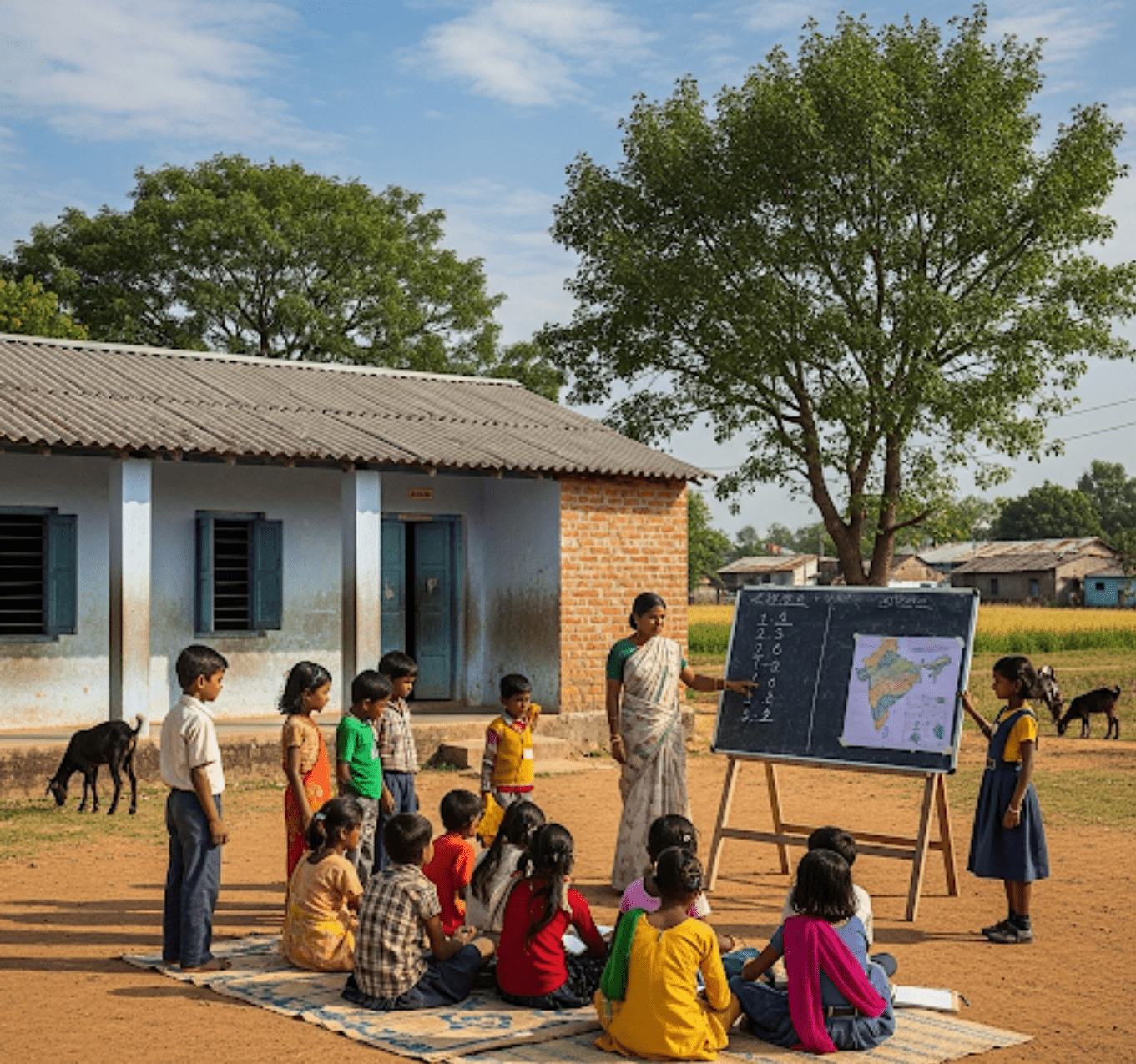
India’s rural communities possess tremendous potential, with eager young minds ready to learn and rich cultural traditions that value knowledge. However, a persistent educational divide threatens to limit opportunities for millions of children. Amid all of this promise, there is one stark reality: a long-standing educational gap. Rural students continue to face outdated textbooks, poor infrastructure, and a shortage of qualified teachers. You can make a difference by taking steps to reduce education disparities in rural India. Why Rural India’s Education is Falling Behind Rural India’s educational system is in decline due to a mix of social and systemic factors. Many schools are lacking basic infrastructure, such as clean toilets and sufficient lighting. The classrooms are also uninspiring. Lack of qualified teachers exacerbates the problem. Unfilled vacancies and high absence rates are common. Families in rural areas are often forced to make difficult financial decisions, which can force their children to choose between work and school. Students also have language problems because the textbooks are either in Hindi or English, and they speak their dialects. As the digital divide widens, students are increasingly isolated from modern educational tools and opportunities. Infrastructure Drought You may find cracked walls or ceilings with leaks or even a classroom that lacks fans or lighting. Without proper infrastructure, education becomes significantly more challenging, hindering both learning outcomes and regular attendance. This not only hampers learning but also discourages girls from attending school regularly Teachers Shortage & Missed Classrooms A lack of well-trained and motivated teachers is another pressing issue. In many remote areas, there are vacancies for teacher positions, or the ones hired are not qualified. Students experience disrupted learning continuity, resulting in slower academic progress Child Labor & Economic Pressures In rural households, children are seen as a means of earning money. School is put on hold when there’s work to be done. One day missed in class could mean a lifetime of opportunities. Language and Learning Barriers In villages, children usually speak the local dialect at home. The school curriculum is usually in Hindi or English, which the children cannot fully understand. It creates a communication gap, but also a lack of motivation and confidence. Growing Digital Divide Urban students are now learning through smartboards, videos, and online platforms. Rural children are left out of digital education. It’s not just about access to technology; it’s also about future preparedness. Rural students are left behind in a digitally driven job market if they don’t have access to technology. Why Your Donation Can Make a Difference Every dollar can make a difference. Donations to verified educational NGOs will directly impact the quality of education for India’s most underserved regions. Here are some ways your contribution can make a real difference: Build and Restore Schools: Improve basic infrastructure walls, toilets, fans, and safe drinking water. Give rural classrooms digital tools: Tablets, projectors, and offline learning modules are available for rural classrooms. Support Teachers: Provide training and salary to high-quality teachers. Sponsor a Child’s Needs: Help cover the cost of uniforms, books, and healthy meals for children so they can concentrate on their studies. Supporting established rural education organizations like vidyalaya.org is more than just a donation of money. You’re also giving the gift of opportunity. Donations that Turn into Action The most effective way to support rural education is in partnership with local organizations that understand the needs of the area. Vidyalaya.org can play a crucial role in this regard. Partner with impact-driven NGOs. Understand local barriers and collaborate with them directly. Select Specific Projects. Want to fund a school library, teacher salaries, or girls’ scholarships? You can choose the projects you want to fund on platforms like vidyalaya.org. Volunteer or mentor: Your time and professional skills will make an impact, even if you cannot contribute financially. Real Impact: What Research Shows According to studies by organizations like Pratham and government data, targeted educational interventions have shown measurable results. Infrastructure improvements combined with teacher training can increase student engagement and learning outcomes significantly when implemented systematically over time Rural Education has a ripple effect Rural education has many benefits that extend beyond the classroom. Community Upliftment: Educated children become informed community leaders and change makers. Economic Growth: Better job prospects and higher earnings are linked to literacy and basic skills. Empowered Girls—Education can delay early marriages and encourage financial independence in girls. Literate parents prioritize education and start a cycle that will last generations. Your Call to Action It’s not just about buying tablets or funding buildings. It’s all about restoring hope, restoring self-confidence, and enabling dreams. Donating to platforms such as vidyalaya.org is a great way for you to: Investing in the futures of the most vulnerable children Empowering Communities to Lift Themselves Through Education Helping India bridge its education divide, one village at a time Your contribution, no matter how small, can change lives. Today is the day to take action. Because your donation doesn’t just support education—it inspires transformation. Final Thoughts Rural India is not lacking in intelligence or ambition, but it lacks opportunity. Here’s where you can assist. Each step, whether you’re funding a toilet or training a teacher, will bring a child closer to a brighter future. Your efforts will be directed to the most needy areas with a platform such as vidyalaya.org. FAQs on Facing Rural Education Challenges in India 1. Why is rural India experiencing such high levels of education inequality? Rural areas still have a poor quality of education because of a lack in school infrastructure, fewer teachers available, social and economic pressures, as well as the digital divide. 2. What is the cost of adopting a rural school? The cost can range from Rs 1 lakh up to Rs 5 lakh, depending on the location and type of project. Many websites like vidyalaya.org offer transparent breakdowns of each initiative. 3. Can rural education donations be tax-deductible? Donations made to NGOs that are registered according to Section 8OG can be deducted from your taxes. This is a
Top 10 Challenges Facing Rural Education in India and How You Can Help
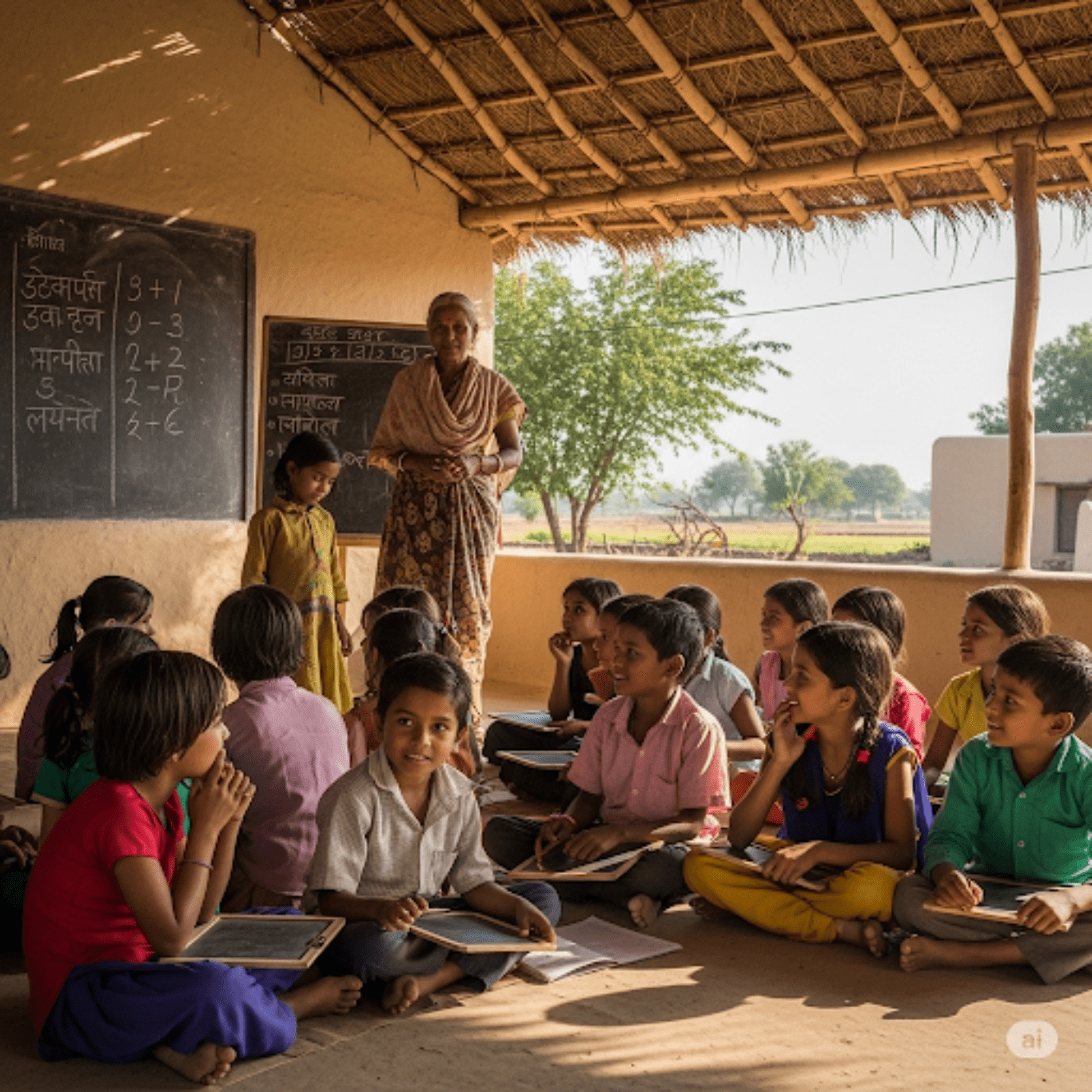
Despite significant government and NGO efforts over the years, rural education in India continues to face substantial challenges that prevent millions of children from accessing quality education. the progress made by the government and non-governmental organizations over the years. These educational barriers, from infrastructure gaps to poor access to digital technology, prevent millions of kids from receiving the education they deserve. Here’s the truth: you don’t have to be a politician to make a change. Even individuals and small groups, with the right awareness and actions, can help bridge the rural-urban educational divide. Rural Schools Lacking Adequate Infrastructure Government data shows that 23% of rural schools lack basic drinking water facilities, and 15% don’t have functional toilets. The lack of toilets and clean drinking water in schools, as well as electricity, is one of India’s primary educational barriers. Lack of sanitation facilities is a major reason for girls dropping out. Students are often seated in crumbling classrooms with poor ventilation and lighting. In order to solve the educational issues faced by remote village schools, it is important to address these infrastructure gaps. Supporting local school improvements or community-led initiatives can boost school attendance and improve learning outcomes. Closely related to infrastructure challenges is the issue of insufficient and inconsistent human resources in rural schools. 2. Teacher Absenteeism and Shortages According to the Ministry of Education’s UDISE+ data, India faces over 1.2 million teacher vacancies, with rural areas bearing the brunt of this shortage. Rural teachers are often posted far away from their hometowns and are not motivated or do not have adequate supervision. The lack of support and training for teachers in the local area is one of the main educational barriers. You can help bridge this gap as an educator, skilled volunteer, or by supporting platforms that focus on village education reform like Vidyalaya.org, which is dedicated to improving rural education by data-driven interventions. While physical barriers are significant, human resource challenges pose equal concern, particularly in communication and teaching methods. 3. Language Barriers to Education India’s linguistic variety adds to the complexity of its education system. Children in many villages grow up speaking tribal or regional dialects, but school instruction is usually given in Hindi or English. This language barrier leads to confusion, poor comprehension, and eventually student dropouts To overcome these educational barriers, you need bilingual and contextualized learning materials. By promoting or creating regional language resources, more rural Indian students can access education. 4. Long Distances to Schools Many children in remote villages must travel several kilometers to reach the nearest school. They often have to walk long distances over rough terrain, as there is no public transportation. This journey is especially challenging for young girls and younger children, who are often forced to drop out of school due to fatigue. Supporting bicycle donation drives or setting up local transport systems via panchayats and NGOs helps with these access-to-school issues in remote communities. Beyond staffing issues, socioeconomic factors create additional hurdles that keep children out of school. 5. Child Labour and Economic Pressures In rural India, poverty is one of the biggest barriers to education. Many families rely on their children to earn extra income by doing farm work, household chores, or labor. For these families, immediate survival takes precedence over education. Supporting midday meal programs, scholarship programs, or conditional cash transfers, you can help reduce dropouts and encourage children to focus on their education rather than survival. 6. Digital Literacy and Technology Access The digital divide has widened significantly as online education becomes more prevalent. Rural schools are not equipped with internet, devices, or power. This growing digital divide is now a major educational barriers in rural areas. Individuals can help by donating refurbished devices, setting up low-cost classrooms, or supporting initiatives like Vidyalaya.org, which bring tech-enabled solutions to rural schools that are underserved. 7. Gender Disparity and Social Norms In rural India, girls are still discriminated against when it comes time to get an education. Girls are often forced to leave school early or never enroll due to a variety of reasons, including safety concerns and cultural attitudes that favor boys. To break this cycle, we need targeted interventions such as mentorship programs for young girls, family counseling, or awareness campaigns at the community level. To achieve holistic rural development, it is important to tackle gender-based education barriers. 8. Nutritional deficiencies and poor health Children who are undernourished or unwell find it difficult to concentrate, be active, or attend regularly. Poor health leads to frequent absenteeism, disrupting children’s learning continuity Health-related barriers to education can be removed by running health check-ups and providing hygiene kits and nutrition support. 9. Low Parental Literacy and Engagement Many rural families have parents who are either illiterate or not educated. It is difficult for parents to provide support to their children’s education, and the value of formal schooling is reduced. You can support community workshops explaining the long-term advantages of education, parent engagement campaigns, or WhatsApp-based awareness content. Addressing this barrier often leads to improved student motivation and retention 10. Rote learning over conceptual understanding Most rural schools still use outdated teaching methods that focus on memorization. This limits children’s critical thinking and leaves them ill-prepared for real-life challenges. Promote activity-based kits, digital storytelling, or concept-based education to modernize rural classrooms. This will help overcome one of India’s most pressing challenges How You Can Make a Difference Help is available to anyone, regardless of their financial status or political affiliation. Start small but be consistent. Adopting a school is possible through NGOs that are verified. You can help with the infrastructure and academic needs. Online or on the ground, you can volunteer your time and skills. Improve digital access to education or teaching methods by partnering with local educators. Talk, share, and post to raise awareness of the education barriers still present in India’s rural villages. Final Thoughts: Change Begins with You India can only grow when its villages grow, and education is the strongest pillar
What’s the Legal Status of Homeschooling in India?

Do You think your child should learn at home instead of in school? Homeschooling is becoming a popular alternative for Indian parents because it offers a flexible and child-centric approach. Many Indian parents are worried about the “one-size-fits-all” education system, academic stress and lack of emphasis placed on creativity and life skills. Ask yourself the following question before you jump: In India, homeschooling is permitted If you are wondering about the legal status of the homeschooling process, this blog will provide an overview on the rights that parents have and a guide for those planning to educate their children at home. What exactly is homeschooling? Homeschooling involves parents teaching their children at home, rather than enrolling them in a traditional school. It allows for flexible schedules, personalized learning paths and a nurturing atmosphere that is tailored to a child’s interest and pace. In India, homeschooling is on the rise. This has been especially true since the pandemic. Parents want to have more control over their children’s education and emotional well-being. In India, homeschooling is permitted What is the short answer to this question? The truth is, it’s not all black and white. India has no specific laws that regulate or prohibit homeschooling. Even though many education boards do not endorse it, homeschooling is legal. The most important thing you need to know: Under the Right to Education Act of 2009, all children aged 6-14 receive a free and compulsory education. However, it is not stated that education must be conducted in a classroom. In 2010, Delhi High Court heard a case to clarify the law on homeschooling. It was concluded that the RTE Act does not prohibit homeschooling, as long as it’s done in an honest manner. You may still be wondering “Is homeschooling allowed in India? The answer is yes. Yes, you can, as long as your child’s rights to education are respected. What You Should Know About Legal and Policy Perspectives Let’s take a look at the recent policy and legal changes that have helped shape India’s homeschooling landscape in order to understand whether it is even possible. RTE Act The Right to Education Act of 2009 puts a great emphasis on formal education, especially for children aged 6-14. Parents are not penalized for teaching their children at home. Parents should be aware of the local policies and regulations. You should ask this question again: Does homeschooling in India fall under state-specific rules? National Education Policy 2020 The NEP 2020 presents new opportunities for reforming Indian education, including: Flexible Curriculum and Teaching Methods Self paced learning and experiential education are on the rise Homeschooling philosophy aligned with recognition of different learning styles Although it promotes flexible learning, the NEP does NOT regulate or legalize homeschooling. Yes! A concise paragraph with bullet points. Why do Indian parents homeschool their children? Indian parents increasingly choose alternatives to traditional classrooms in order to provide flexibility, individualization and emotional well-being for their children. Because it’s the best fit for their children. Homeschooling is becoming more popular. Customized learning programs allow you to teach your child at their pace Enjoy more time for hobbies, creativity and other life skills Less stress for exams and rote learning A stress-free and safe environment for learning Supporting children with special needs Schedules that are flexible to meet your needs and those of your family When parents opt for a non-traditional path, is homeschooling allowed in India? Can homeschooled children in India get certified? Indian homeschooled students can earn certifications even if they don’t attend a conventional school. The most common certifications include: National Institute of Open Schooling (NIOS) The Government of India fully recognizes the company. Exam schedules, flexible subject options and admission timelines A great choice for students homeschooled who wish to earn a formal certification. IGCSE/International Boards Many homeschooling families choose Cambridge IGCSE for its support of both private and external candidates. Has a curriculum that is internationally recognized Students who are planning to study abroad or follow an international academic path. State Open Boards In some Indian states, private candidates are allowed to take exams as part of their open schooling system. Consult your local guidelines to find out what is available. Even without traditional schooling, homeschooled Indian students can still pursue higher education, pass competitive examinations, and build successful careers. It is possible to do this through legitimate and recognized education boards. How to start homeschooling in India Homeschooling is a popular option for Indian parents who want to provide individualized and flexible education. Learn about the different types of homeschooling. You can learn about unschooling, structured learning or other approaches by joining local or online communities. Select a curriculum that is most suitable for your child. Options such as NIOS and IGCSE are very effective. Create a fun learning environment for your kids at home. This is how: Discover different learning styles such as unschooling, structured methods and more. Join online/offline homeschooling communities. Choose a curriculum: IGCSE, NIOS or Montessori. Setting simple, achievable learning goals is the best way to reach your goals. Use a learning portfolio to track your progress. Stay up-to-date with the latest RTE policies and NEP policies. Is homeschooling permitted in India? Homeschooling is legal in India, but there is a gray area. It is becoming more popular. Homeschooling is not prohibited by law, and court rulings have confirmed that parents are allowed to educate their children at home. Homeschooling in India is set to grow with the support of flexible education boards like NIOS and IGCSE, as well as the progressive NEP 2020.
Everything You Need to Know About Online Schooling in India: Pros, Cons & How to Succeed

Imagine a classroom without walls, blackboards, or morning assemblies. All you need is a screen and a curious mind. The new face of Indian education. Online schooling is now a popular choice in India as the digital wave spreads to villages and cities alike. Can a virtual classroom replace the real school experience? What are the real pros and cons? How can students be successful in this new learning model? This blog will explain everything you need to know about online education in India, from the pros and cons to practical tips to help your child thrive in this digital classroom age. What is online schooling? Online learning is a digital system that allows students to log on from home and virtually attend class through the internet. Teachers are certified to conduct digital classrooms. Online assignments, assessments and projects Apps and learning management systems Videos, quizzes and simulations are all interactive content. Online schooling is available in India through a variety of platforms. These include government-backed systems such as NIOS and private edtech startups. Online Education in India is Growing India’s educational landscape has traditionally been dominated by classrooms. Online learning became essential during the COVID-19 epidemic, and millions of children switched to digital classrooms overnight. Online education in India has continued to grow post-pandemic due to: Even in rural areas, internet penetration is increasing Smartphones and laptops at affordable prices Alternative education methods: increasing awareness Demand for flexible and skills-based learning The Benefits of Online Education in India Take a look at some of the most attractive advantages to online education in India. Flexible Learning Students can learn on their own schedule and at their own pace. Allocate time for hobbies, extracurricular activities or skill-building Personalized Education Adaptive learning tools and one-on-one sessions to answer questions help you cater to your individual learning style. Students can review recorded lectures at any time. Access to Diverse Experts and Courses Learn to code, learn foreign languages, play music or any other niche subject that is not offered at traditional schools. Experience the expertise of teachers from all over the country Safety and convenience Online schooling is a safe option for all children, but especially those with health conditions or during times of crisis. Savings in time and energy when you don’t commute. In some cases, it is cost-effective No uniform or transportation costs Online schools and open-schooling systems can be more affordable than private schools. Cons of Online Education in India Online education in India has its limitations, despite the benefits. Here are some of the most common problems: Limited Social Interaction Lack of face-toface interaction can affect emotional and social development. Sports, team building exercises, and group activities may be missed by students. Digital Divide Some families do not have access to smartphones or laptops, or reliable Internet. The rural and economically disadvantaged sections of the country may be left behind. Parents Must Supervise Children Parents need to be involved, especially with younger children. Working parents find it difficult to manage their time. Screen Time Concerns The excessive exposure to screens can affect sleep, posture and eyesight. Lack of physical activity can cause a variety of health problems. Risk of Distraction Online platforms, with their notifications and entertainment applications, can be a source of distraction. It is important to have self-discipline, but this can be difficult for young learners. How to succeed in online schooling: Practical tips The challenges of online schooling in India are real. However, with the right approach they can be overcome. Here are some tips on how Indian students can succeed in online education: Create a Study Area Choose a quiet, clutter-free corner for classes. Keep your books, stationary, and other devices in order. Create a daily routine Maintain a fixed schedule of study to develop discipline Include breaks, meals and physical activity to the schedule. The Right Tools Install video conferencing apps and learn how to use them. Engage your students with educational platforms that have interactive content. Stay in touch with teachers Attend live sessions on a regular basis. Participate actively and ask questions in the discussion. Balance Screen Time Every 20 minutes, take 20 seconds to look at something that is 20 feet away. Include offline activities such as reading, drawing or playing outdoors (if possible). Encourage the development of skills Learn new skills in your spare time, such as public speaking, coding or creative writing. Stay motivated by participating in online challenges and competitions. Include Parents & Mentors Parents should monitor their children’s academic and emotional progress. For additional assistance, consider online tutors or mentors. What Parents can do to support their child’s online education In India, where the home environment is different, parental involvement is vital to a child’s success in online education. Parents don’t have to be teachers, but their role as supporters of learning is crucial. Creating structure, minimizing distractions, and encouraging consistency can make a big difference. Regular check-ins, positive reinforcement and regular feedback can help build confidence in a child. Collaboration is enhanced by staying informed about digital tools and keeping in touch with teachers. Together, they form the foundation of virtual learning. Key support tips for parents: Stick to a daily schedule Create a quiet, organized study space Monitor daily progress and assignments Celebrate your achievements no matter how big or small Encourage patience and perseverance in the face of challenges Keep in touch with your teachers and stay informed Conclusion: The Future of Learning Online education in India has become a major trend. The online schooling system has allowed students to learn from anywhere, regardless of their location. The shift from traditional classrooms into digital screens may have brought some challenges, but the
Community Learning Centres: How Villages Can Support Online Education Cafes
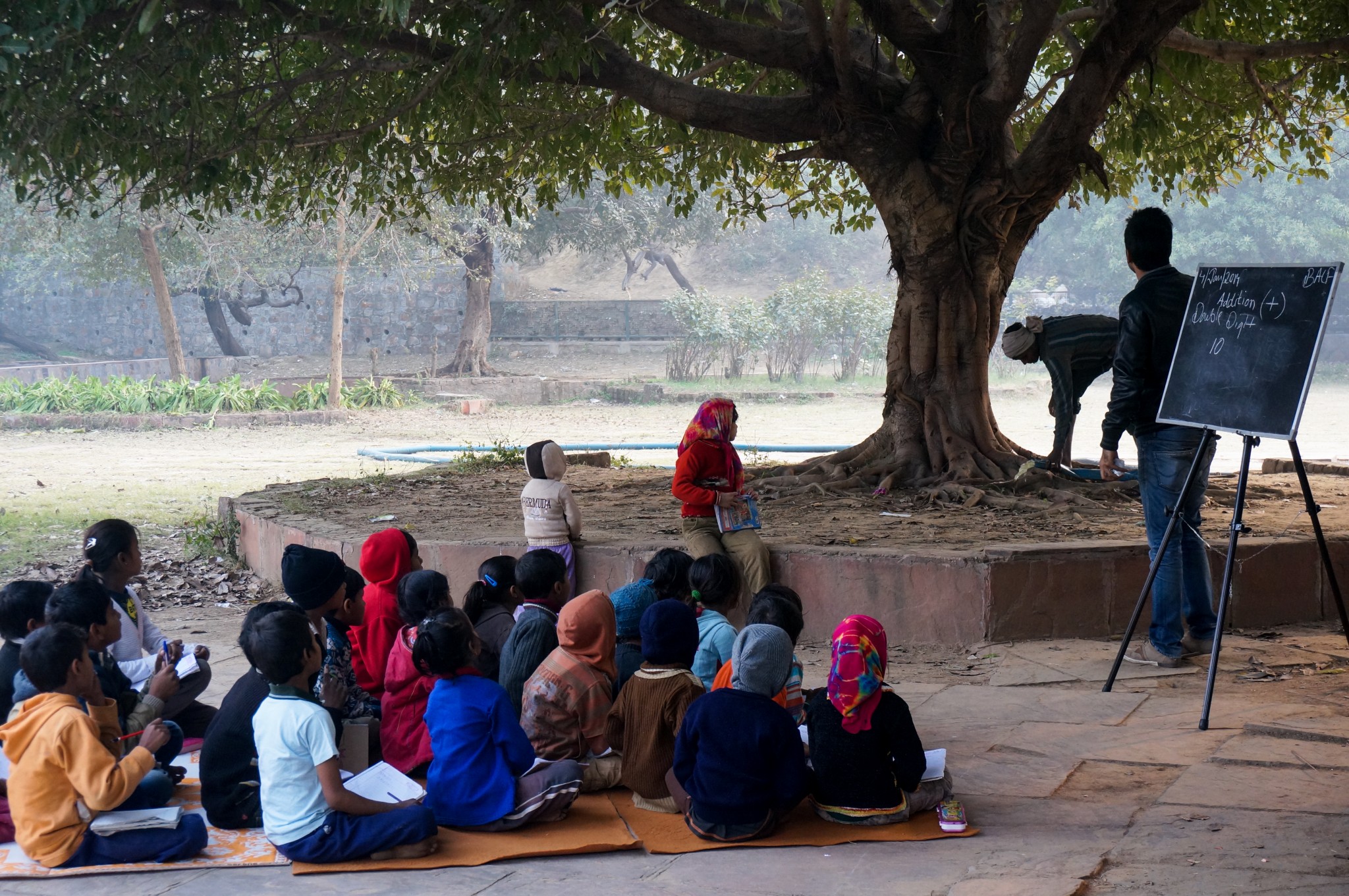
Digital education is not only for the elite or large cities. India’s most remote villages are now embracing digital learning, as smartphones and internet signals have reached these areas. Access to technology is not always a guarantee of effective learning. Many homes share a single device. While internet connectivity is readily available, power failures can occur frequently. When children are juggling daily chores with big dreams, structured learning is often neglected. Community Learning Centres are a game changer. These shared-learning hubs empower entire communities through digital access. They foster skills and increase productivity for all learners. In this blog, we will examine how community learning centres can transform rural education and what is required to establish one that truly makes a difference. What is a Community Learning Centre (CLC)? The community learning centres provide shared infrastructure, including computers with internet capability, digital boards and learning materials. The villagers can access online education in a structured environment. These centres, which are usually located in schools, Panchayat Bhavans, or other donated locations, bridge the digital divide by: Enhance learning with digital tools Mentorship Creating an environment of collaboration for group learning Promoting a culture that promotes curiosity and lifelong education Why are village learning centres needed? Online education is flexible, and it offers many resources. Rural areas, however, present several obstacles to its potential. Poor Internet connectivity in many homes Lack of digital devices (laptops/tablets/smartphones) Parents, students, and teachers have limited digital literacy There is no dedicated home study area Community learning centres play a vital role in inclusive education by addressing these issues collectively. Benefits of Community Learning Centres for Rural India Community learning centres can be a powerful way to empower villages and support online education. Access Devices and Internet Thanks to the shared infrastructure, students do not need to buy a smartphone or laptop. High-speed internet allows you to enjoy video classes and educational platforms. Structured learning Environment CLCs are a great alternative to the noisy and distracting environment of a home. They provide a calm, focused area that is very similar to a classroom. You can follow timetables to ensure that the learning process is consistent. On-site mentors or facilitators Trained volunteers or teachers can assist students in their digital skills and answer any questions. This is especially helpful for students who come from a first-generation family and do not have the support of their parents. Group learning and peer study Promotes collaboration, discussion and motivation among learners. It is a great way to develop communication and social skills that are often neglected in rural education. Adult and Youth Skills Development In addition to academic subjects, CLCs also offer workshops in digital literacy, career counselling, and vocational skills. The skills you acquire can help improve your productivity and job opportunities. Community engagement and parents’ involvement Parents are more likely to encourage their kids at home when they see the benefits of education. When the centre is owned by the local community, it creates a shared responsibility to nurture the local talent. How to Set up a Community Learning Centre in a Village A CLC can be created without a large amount of money. It takes planning, partnerships, and community will to create a CLC that works. Locate a suitable area Community Learning Centres can be established in a school, a village or a house. Make certain the area is well ventilated, clean, and has enough seating. Arrange Basic Infrastructure You can start by buying refurbished laptops, tablets, and desktops. Internet – Make sure that you have a good Wi-Fi dongle or connection. Power: If you live in an area where power outages are common, a backup option such as solar panels and inverters is essential. Collaboration between EdTech platforms and NGOs Partner with educational NGOs that offer free online or digital courses Khan Academy and AAS Vidyalaya are examples. Some CSR departments fund community learning initiatives. Nominate local coordinators or facilitators. A dedicated person from the village can manage the centre. They will schedule sessions and guide learners. It will improve the efficiency of operations and build trust. Promotion within the Community Hold village meetings to introduce the concept. Spreading the word is easy by engaging teachers, parents, youth leaders and local officials. Monitor, Improve, Extend Collect feedback regularly from users. Create new programs to meet demand, such as digital marketing and spoken English. Replicate the model in nearby villages. How to improve the effectiveness of community learning centres Use local languages and culturally relevant examples to keep your content local. Incorporate life skills into your curriculum. Time management, communication, and financial literacy all play a vital role. Reward regular learners for their consistency. By mixing age groups, you can encourage mentoring between students. Keep a record of your progress. Keep track of your progress. The role of local teachers in strengthening community learning centres Local educators are essential to the success and sustainability of Community Learning Centers. These teachers act as facilitators by guiding students in digital content, explaining complex concepts. By engaging the villages in the process, they can bridge the gap between traditional and online education. How digital literacy can improve entire villages Digital Literacy is essential for online learning. Community Learning Centers can host workshops on basic computer use, internet safety, and how to navigate educational platform. Digital literacy is a key factor in enhancing the education outcomes of villager, particularly women and youth. It also enhances social and economic development. Conclusion: Building an Intelligent Village Together Education is not the sole domain of urban elites. The Community Learning Centers provide a sustainable solution to online education for India’s rural areas. They also offer academic support and help with digital empowerment, skill development and future readiness. Each village that establishes community learning centres invests in their own people. With every child or adult who learns through it, they will be one step further to ending ignorance and poverty.
Success Stories From AAS Vidyalaya: Students Who Overcome Challenges
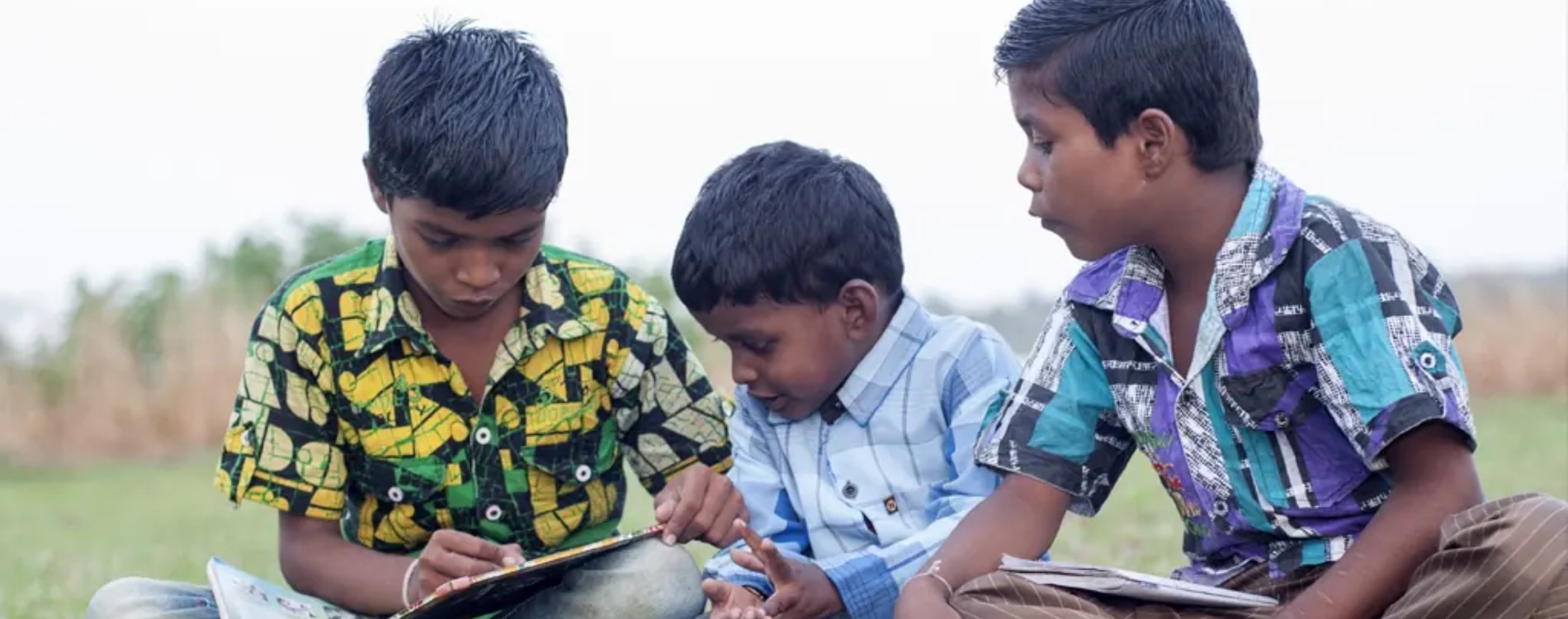
Rekha, 14, from a village in Uttar Pradesh, had to leave school to help out her mother. She had a strong desire to learn and become a school teacher. Her dreams seemed far away because there was no school in the area, and she had limited finances. Rekha started attending class regularly with just a basic smartphone. She has not only caught up on her missed classes but also helps other children in the village with their schoolwork. Her story is a powerful example of how education can transform lives and that technology can help bridge even the largest gaps. Arjun from Maharashtra – A Migrant Teenager Reclaiming His Future Arjun’s father was a construction worker, and his family had to move frequently because of this. Multiple school changes disrupted Arjun’s education and undermined his confidence. AAS Vidyalaya gave him a sense of continuity, allowing him to carry his online classroom with him wherever he goes. Arjun’s rhythm was restored through regular online support, recorded lessons, and flexible assessment. Recently, Arjun passed his 10th grade exams and now prepares for competitive entrance examinations. His story shows the importance of student-friendly tools and consistent access. Sana from Rajasthan: Learning while battling health challenges Sana, who was diagnosed with a chronic illness when she was 12, found it impossible to go to school. She felt isolated and anxious as she watched her dreams slip away. Her doctor suggested online learning. Sana was able to return to school from her own home with the help of AAS Vidyalaya’s flexible schedule and sympathetic teachers. Her confidence and health gradually improved. She aspires now to be a psychologist and help children who are affected by health issues in school. What makes AAS Vidyalaya different? These stories are not just happy coincidences—they’re outcomes of a thoughtfully designed learning ecosystem. What makes AAS Vidyalaya different, and how it helps students overcome obstacles: Device-Friendly Education: You can access courses via your mobile phone, even if you have limited data. Students can study at their own pace with recorded classes and live classes. Mentorship and support: Trained teachers, mentors, and coaches guide students based on the students’ background and needs. Curriculum Aligned with NIOS & State Boards: Ensures that certification is recognised, even for students who drop out. Flexible Exam Schedules: Students may take exams when they want, which reduces pressure and improves retention. These Success Stories Can Teach Us Lessons These journeys teach us valuable lessons about learning, resilience, and human potential. These stories aren’t just tales, but are also roadmaps of what is possible with the right support system. The Key Takeaways: Even a minimal amount of daily learning can lead to remarkable progress. Digital platforms such as AAS Vidyalaya help make this a reality. Empathy is important in education: teachers who are able to understand the challenges of a student have a lasting effect. Flexibility Promotes Productivity: Students who are allowed to learn at their own pace and on their terms will achieve better results. Community Support Accelerates Achievement: Collaborating with NGOs and community centres extends education’s reach. Parents and Communities can help. You can make a difference in the future of a child you know who has dropped out or is struggling at school. Here’s how: Spread the word: Make sure that families and communities are aware of AAS Vidyalaya’s offerings. Help with Setup: Assist with mobile access, app installations, or initial orientation. Encourage elder involvement: Grandparents and older siblings can offer support during study times to boost motivation. Create a Study-Friendly Area: Even a quiet area can improve learning and focus. Looking Ahead: Empowering Students One at a Time AAS Vidyalaya’s success stories are not an exception—they are the beginning of a larger movement. AAS Vidyalaya is a platform that demonstrates how education should and can be available to all, regardless of gender, location, income or circumstance. Every student who returns and continues to learn is a sign of hope. Each exam was a major milestone. Each dream was a victory not only for the child but also for society. What AAS Vidyalaya has to offer: Dropouts and children who are underserved can continue their education Learn anywhere, anytime with mobile-based flexible learning Mentorship and personalised support help to build confidence AAS Vidyalaya: A Change in Education that Can Transform Lives AAS Vidyalaya’s impact reaches far beyond the individual student. It reaches entire families and communities. Parents feel encouraged, siblings are motivated, and neighbours notice when a child returns to school. Education is more than just academics. It becomes a symbol for possibility. These success stories create a chain reaction that encourages others to make the leap, to seek help and to believe it is never too late to grow and learn. These students not only transform their lives, but become role models for their peers as they progress. AAS Vidyalaya creates leaders one student, story and breakthrough at a time. Final Thoughts AAS Vidyalaya offers a digital solution in a world of digital distractions. Not only content, but also compassion. Not only exams, but empowerment. These stories remind us of the fact that sometimes all a child requires is a single opportunity to succeed. A platform like AAS Vidyalaya makes this happen every day. Share these stories and support the mission.
Benefits Of Creating Digital Classrooms In Schools
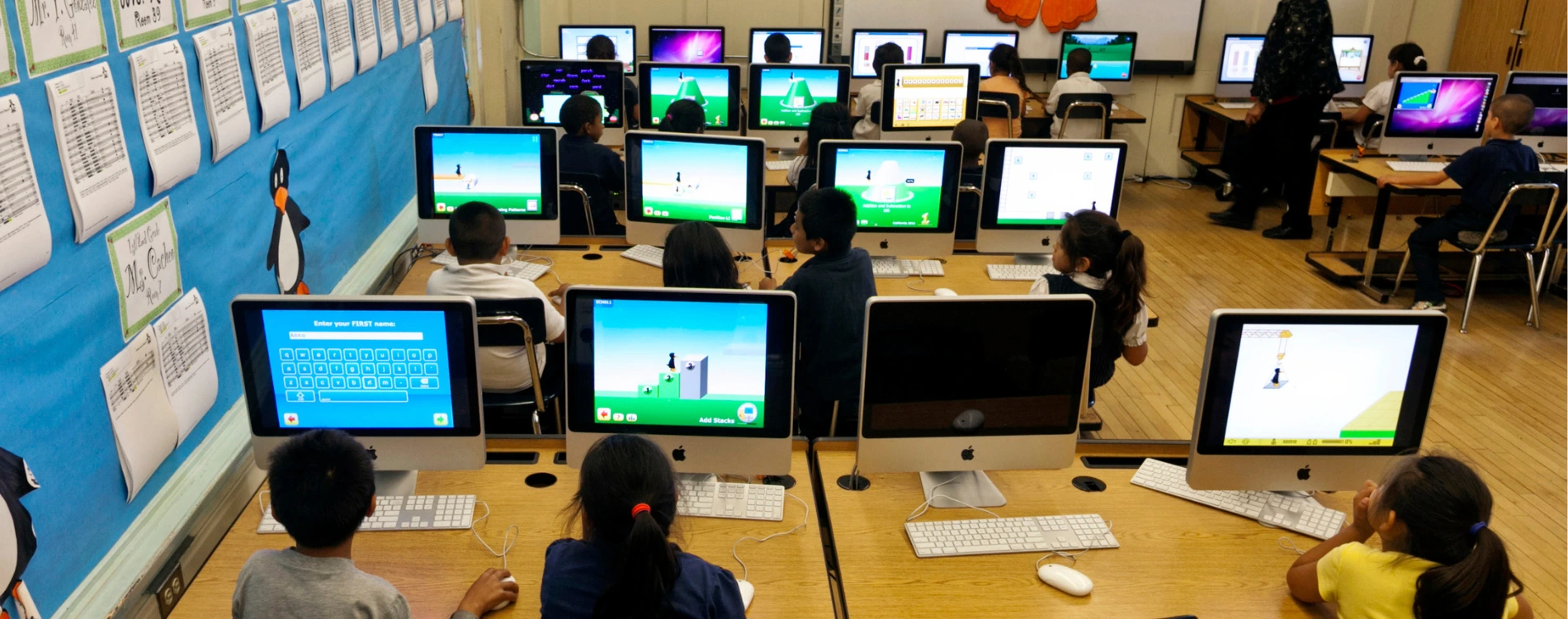
Benefits of Creating Digital Classrooms in Schools In the rapidly changing education landscape, digital classrooms have become a game-changer, holding immense potential for students and teachers. Although the conventional teaching environments have a role to play, the incorporation of digital tools in the classroom enhances the entire learning process to a great extent. By offering flexible learning prospects to enable innovative and engaging lesson plans, digital classrooms are transforming the way education takes place. This blog delves into the different advantages of establishing digital classrooms in schools. 1. Increased Access To Learning Resources One of the most notable benefits of digital classes is the ability to access learning materials with such ease. Gone are the times when the students were dependent on textbooks and printed handouts. With digital classes, e-books, internet-based articles, videos, and simulations that can be interacted with, all come at the touch of a button. A. Diversity Of Learning Styles Students will be able to access content in a variety of media: text, audio, video, and interactive modules, so that learning doesn’t rely on a single medium. This accommodates different students with different learning styles, whether visual, auditory, or kinesthetic. B. Instant Updates In an e-classroom, the resources get updated in real time, so students remain aware of the most current knowledge. New resources, new assignments, and new announcements get uploaded in seconds by the instructor,s so everyone stays informed. 2. Flexibility And Convenience Digital classroom environments enable students to learn at the time and in the manner that suits them best, offering a degree of flexibility that might not be possible in traditional classroom environments. A. Self-Paced Learning Students may repeat reviewing a lesson, rewinding videos, or retaking a quiz as many times as necessary to grasp a concept. Such self-directed learning benefits the students who need additional time to comprehend challenging subjects. B. Learning Anytime, Anywhere Digital classrooms dissolve time and location barriers. Students can take classes or watch lessons from anywhere at home, on vacation, or from another country. This allows education to be more accessible and inclusive to more people. 3. Enhancing Student Engagement Traditional classroom environments sometimes lag in holding students’ interest, particularly with long lectures or tedious instruction. Digital courses bring in several different interactive aspects that will maintain the interest and motivation of students. A. Interactive Tools Digital classroom environments offer such tools as quizzes, polls, discussion boards, and live chat, all of which allow active participation from students. Such tools enhance the dynamic nature of learning and get students actively involved with the material and each other. B. Gamified Learning Some digital tools provide gamified learning, transforming the lessons into challenges or games. The gamified feature of such tools makes learning interesting and encourages students to learn more actively. 4. Personalized Learning Experience All students have different learning requirements, and digital classrooms make it possible to adapt the lesson plans and resources to such personalized needs. Through the use of adaptive learning technologies, the lesson plans can be adapted to the specific requirements of each learner. A. Tailored Learning Pathways Digital classes use the power of analytics and evaluation tools to monitor the progress of every learner and make suggestions to improve areas of weakness. This enables instructors to establish customized pathways of learning, so students don’t get left behind and struggle to catch up. B. At Their Own Pace Students benefit from the liberty of learning at whatever pace they prefer in a digital classroom. Whether they must go slower and repeat concepts or accelerate through something they grasp quickly, the adaptability serves to support the style in which they learn. 5. Improved Student-Teacher Communication Interaction between students and teachers plays a critical role in building a successful learning ecosystem. Digital classrooms enable students and teachers to remain connected and work together with greater ease. A. Immediate Feedback Feedback in a traditional classroom may be delayed at times. With digital platforms, however, the instructor can give instant feedback on quizzes, projects, and homework. Such timely feedback enables the students to know where they have gone wrong and improve promptly. B. Open Channels Of Discussion Digital classes usually feature forums, email services, and direct messaging capabilities, offering numerous avenues for students to contact the instructors. This can promote more open communication and make students more at ease asking questions or seeking clarification. 6. Cost-Effective Education Digital classrooms not only provide advanced learning tools but also contribute significantly to reducing the costs associated with traditional education. With the ability to replace paper-based materials, physical textbooks, and even classroom infrastructure, schools can drastically lower their operational expenses. A. Reduction In Paper Usage One of the most notable cost-saving benefits is the reduction in paper usage. By transitioning to digital formats, schools can move away from printed materials such as textbooks, worksheets, and assignments. This not only cuts down on costs but also promotes sustainability by minimizing paper consumption, which is crucial in today’s environmentally-conscious world. B. Lower Infrastructure Costs In a traditional school setup, a significant portion of the budget is allocated to maintaining physical classroom spaces, purchasing furniture, and managing equipment. With digital classrooms, schools can reduce their reliance on costly infrastructure. Virtual assessments, online learning modules, and even virtual field trips can replace in-person activities, enabling schools to deliver high-quality education without the need for extensive physical resources. 7. Encouraging Collaboration And Teamwork Digital classrooms play a key role in fostering collaboration among students, even beyond regular school hours. Through online tools, students can easily collaborate on group projects, share resources, and engage in interactive discussions, ensuring that teamwork and peer learning are at the core of the learning experience. A. Virtual Group Work Platforms that support collaborative learning, such as shared documents, virtual whiteboards, and discussion boards, enable students to work together on assignments or projects in real-time, regardless of their physical location. This collaborative approach helps students build essential skills like communication, problem-solving, and critical thinking, which are vital for
What Is The Role Of Online Education In School?
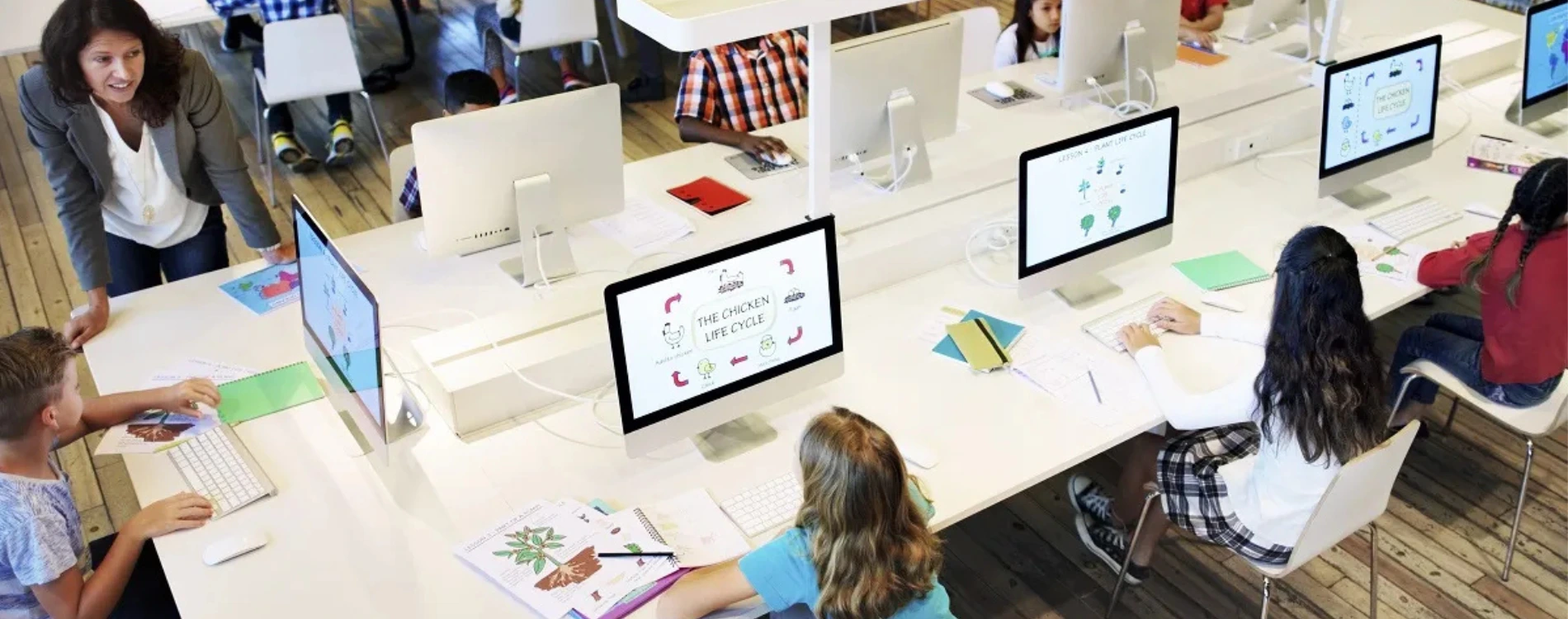
The Role of Online Education in Modern Classrooms In the digital age, education has evolved far beyond the traditional classroom setting. Online education has emerged as a game-changer, especially for schools, offering students, parents, and educators a wealth of opportunities for growth and development. While online education may not replace in-person learning entirely, it plays a crucial role in shaping the future of schooling. Understanding Online Education In Schools Online education refers to learning that takes place over the internet, either in a fully virtual environment or through a blended approach that combines digital learning with face-to-face interaction. It encompasses a wide range of tools and platforms, from live classes to pre-recorded lessons, interactive assessments, and digital resources. This new form of education can benefit students of all ages and educational levels, offering a flexible, personalized, and often more accessible approach to learning. It has gained significant traction in recent years, especially during the pandemic, and continues to evolve. Key Benefits Of Online Education In Schools 1. Accessibility And Convenience One of the most significant advantages of online education in school is its ability to break down geographical barriers. Students can access learning materials and attend classes from any location with an internet connection. This is particularly beneficial for students in remote or underserved areas where access to quality education might be limited. No commute: Students can attend classes from the comfort of their homes, saving time and energy, which will result in more productivity. Learning on the go: With mobile-friendly platforms, education becomes accessible even while traveling or during free time. 2. Flexibility In Learning Online education offers an unmatched level of flexibility, allowing students to learn at their own pace and convenience. This self-paced learning model helps cater to different learning styles and speeds, making it easier for students to master subjects without feeling rushed. Unsynchronized learning: Students can access recorded lessons and complete assignments on their schedule. Time management skills: Students learn to organize their learning time effectively, a skill that will be beneficial in their future careers. 3. Personalized Learning Experience Unlike traditional classroom settings, online education can offer a highly personalized learning experience. Platforms often use advanced algorithms to tailor lessons and assignments to a student’s unique strengths, weaknesses, and learning preferences. Adaptive learning tools: These tools adjust the difficulty level of tasks based on a student’s performance. Targeted interventions: Teachers can provide targeted support to students who are struggling with specific concepts. Challenges Of Online Education In Schools Despite its many benefits, online education does come with certain challenges that need to be addressed for it to be truly effective. 1. Digital Divide Not all students have equal access to the internet and digital devices. The gap in access to technology is still a big problem, especially for people in poor or rural areas. Device access: Some students may not have the necessary technology, such as laptops or tablets, to engage with online lessons. Internet connectivity: Poor internet connections can create interruptions in learning, making it difficult to follow along with live lessons or access resources. 2. Reduced Social Interaction Online education, while convenient, can limit face-to-face interactions between students and teachers, as well as among students themselves. The lack of social engagement can impact the development of essential social skills like communication, teamwork, and conflict resolution. Limited peer interaction: Students miss out on group activities, collaborative projects, and spontaneous conversations that happen in a physical classroom. Isolation: The lack of physical presence may lead to feelings of loneliness or disengagement among some students. 3. Self-Discipline And Motivation Without the structure of a traditional classroom, students need to be self-motivated and disciplined to stay on track. While some students thrive in this environment, others may struggle to maintain focus and complete assignments on time. Time management issues: Without strict schedules, students may procrastinate or miss deadlines. Decreased accountability: The absence of direct supervision can lead to a lack of responsibility for their learning. How Schools Can Integrate Online Education Effectively To maximize the benefits of online education while addressing its challenges, schools can implement a few strategies: 1. Blended Learning Approach One way to make online education more effective is through a blended learning model that combines both online and in-person instruction. This model offers the flexibility of online learning while maintaining the benefits of classroom interaction and socialization. Flipped classrooms: Teachers can assign online lessons for students to review at home, and then use classroom time for discussions, activities, and assessments. Collaborative projects: In-person group work can complement online learning, fostering peer-to-peer engagement and teamwork. 2. Enhanced Teacher Training Teachers need to be adequately trained in using digital tools and platforms effectively. By providing educators with proper training and resources, schools can ensure that they can create engaging and effective online learning experiences for their students. Tech skills: Teachers should be well-versed in using educational technology to facilitate learning. Engagement strategies: Online teaching requires different methods to keep students engaged, such as interactive quizzes, live discussions, and multimedia content. 3. Ensuring Equal Access To bridge the digital divide, schools should work towards ensuring that all students have access to the necessary technology and internet connection. This can be done through initiatives like providing low-cost devices, offering subsidized internet plans, or creating community hubs where students can access learning resources. Device loans: Schools can offer devices for loan to students who cannot afford them. Community support: Schools can partner with local organizations to help provide internet access to underserved students. The Future Of Online Education In Schools As technology continues to advance, online education will likely play an even more significant role in the future of schooling. Virtual reality, artificial intelligence, and other cutting-edge technologies have the potential to create even more immersive and personalized learning experiences. However, for online education to reach its full potential, it will require careful integration with traditional educational systems, ensuring that the focus remains on the holistic development of students.