
5 Reasons Why School Computer Labs Still Matter
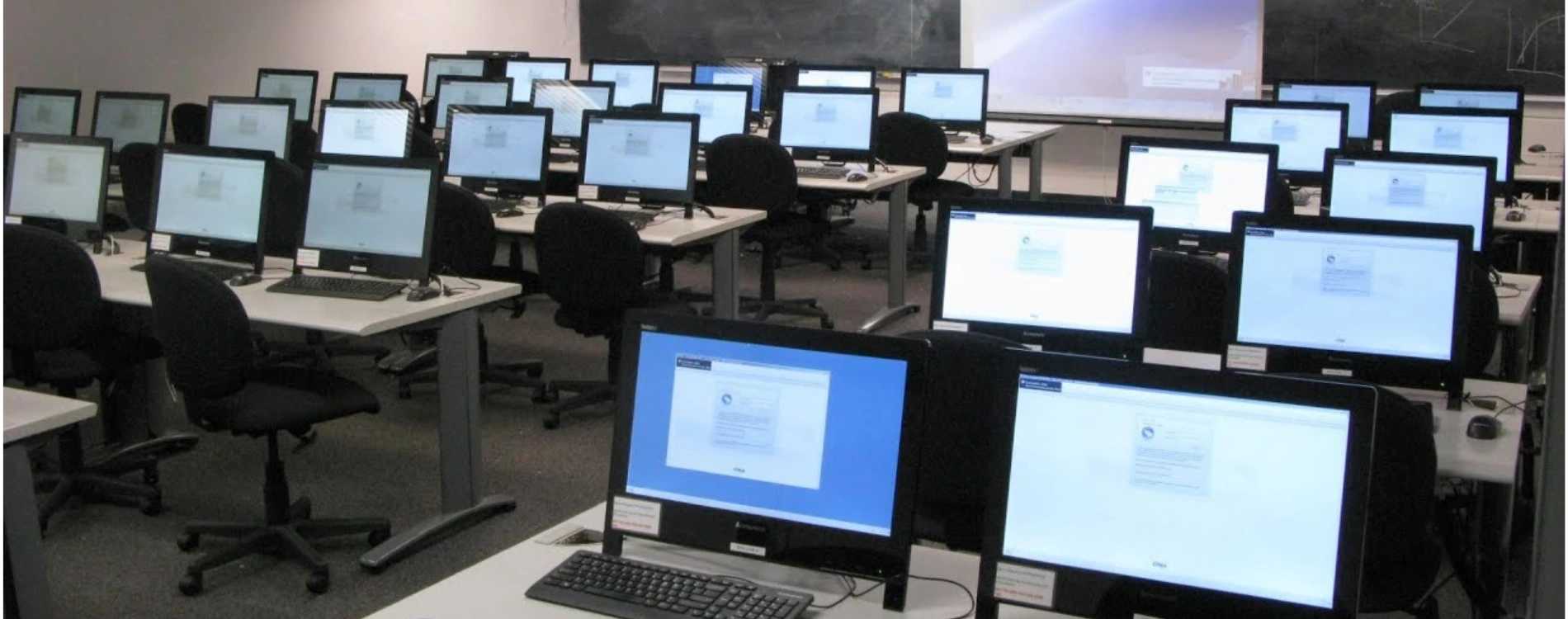
Even though the use of personal devices like laptops, tablets, and smartphones increases, school computer labs continue to be a significant component of the education system. Although personal devices bring convenience and accessibility, computer labs continue to have learning advantages that cannot be replaced by personal devices. The following represents why computer labs remain critical to students today. 1. Unbiased Access To Technology And Tools Not every school provides students with the same amount of technology access at home. School computer labs equalize the playing field so students all have access to top-end technology and specialized software. Key Points: Access to technology equitably: Not all students have a home computer or a stable internet connection. This creates a digital divide for students in lower-income families. A school computer lab provides all students with the ability to use current technology while at school. Access to specialized software: School computer labs usually have costly but specialized software, including design packages, coding environments, and data analysis software. Such applications may be too expensive for families and are usually available only in schools. Accessibility of learning: Computer labs grant every student the same set of technology resources, and that’s the key to academic success. Students, whether they come from poor or rich families, can enjoy the same technologically-enabled learning processes. By accessing technology in the school computer labs, all students have the chance to acquire essential digital skills that will benefit them throughout their education and into the future. 2. Structured Learning Environment For Targeted Education Even though devices in the home are useful, they also have numerous distractions. Whether gaming, social media, or entertainment, students will get easily sidetracked. Computer labs offer a distraction-free, organized platform that encourages productive learning. Key Points: Distraction-free learning:Going against the idea of using personal devices that usually come with entertainment and social media, computer labs exist solely for learning. This reduces distractions and allows students to concentrate only on the task at hand. Teacher supervision: Teachers in the computer lab have the ability to supervise students tightly and offer real-time support whenever there is a need. This enables instant feedback, error correction, and concept clarification, collectively vital to efficient learning. Improved productivity: With less distraction and the instructor’s supervision, students will also be more likely to stay on task. Computer labs assist students in better time management, getting the work done on time, and delivering better-quality work. Why It Matters: A regular learning routine provides students with the self-discipline and productivity they need to excel at school. It enables the teacher to observe students’ improvement and give them guidance when they need it. 3. Digital Literacy And Safe Internet Usage Digital competency has emerged as the most significant skill for today’s students. School computer labs help students acquire the technology skills they need to thrive in the digital age. Key Points: Acquiring vital tech skills: Acquiring software skills, problem-solving skills, and proficiency in digital tools is the key to success in the modern world. The school computer laboratory offers students the chance to acquire technical skills, from the ability to use word processing packages to sophisticated programming and data analysis. Secure use of the internet: Computer labs also create a controlled space wherein students learn to use the internet in a safe manner, maintain their privacy, stay safe from cyberbullying, and evaluate internet information for validity. Such education is critical in a time when students are constantly exposed to digital information. Critical thinking and problem-solving: Computing forces students to tackle challenges systematically. Whether they’re debugging code, evaluating data, or planning a multimedia presentation, students learn problem-solving skills that they’ll apply throughout their careers. Why It Matters: Because in today’s digital world, computer literacy has become a basic skill. School computer labs assist students in attaining the knowledge and proficiency they require to compete successfully in a digital world and remain secure on the internet. 4. Encouragement To Collaborations And Peer To Peer Learning In school computer labs, students usually work in collaboration on group projects, exchange ideas, and work on activities that call for different points of view. This encourages collaboration and enables students to learn from one another. Key Points: Group projects: Computer labs support collaborative learning by enabling students to work on tasks, presentations, or research projects in teams. Students can exchange files, provide feedback, and merge ideas in real time. Peer learning: Students regularly instruct one another in new tools or techniques while working in teams. This peer-to-peer education promotes better understanding and problem-solving, as students explain hard concepts to each other in a manner accessible to them. Better communication: Participation in the computer lab also enhances the communication skills of students. Whether discussing project concepts, sharing research results, or providing feedback, students learn to communicate more clearly and function as a team. Why It Matters: Teamwork and collaboration are critical skills in the classroom and in the working world. Students experience computer lab environments that will translate into the real world, where they will need to coordinate and work with others to achieve the solution to a problem and common objectives. 5. Exposure To Specialized Software And Career Exploration School computer labs usually consist of software and resources that expose students to various areas of work and career choices. This enables them to research and explore areas of interest and likely career choices. Key Points: Industry-level software access: Computer labs offer access to software packages like Adobe Photoshop, AutoCAD, and others used in graphic design, architecture, video editing, and others fields. Students get hands-on exposure to the software, and in case they choose to pursue these career paths, it could be helpful. Career discovery: Exposure to applications and specialized software will create curiosity in areas like coding, editing video and audio, animation, and engineering. The school computer labs become a starting point for students to get interested in and acquire the necessary skills related to these careers. Developing technical skills for career prospects: Working in a computer lab not
How CSR Efforts Are Revolutionizing Indian Education

Education has long been recognized as one of the most important pillars of social and economic growth. In India, differences in education between cities and villages, boys and girls, and rich and poor have made Corporate Social Responsibility (CSR) an important force for change. CSR activities have moved from compliance and sponsorship to being the drivers of scalable, sustainable, and impactful transformation in the Indian education sector. Education Has Emerged as a Major Area of Focus For CSR in India. The Companies Act, 2013, marked a major turning point in CSR for India. Now that companies have to give 2% of their average profits to social causes, education naturally became a top priority. This isn’t just because education is important for the country’s growth, but also because there are still many challenges in India’s education system, like poor infrastructure, low learning levels, high dropout rates, and a growing digital divide. Supporting education helps CSR programs create lasting positive change in society, whether it’s by improving early learning, teaching digital skills, or helping youth develop job-ready skills. From Infrastructure To Impact: The Changing Csr Strategy Early CSR in education is supposed to involve building schools, donating materials, or funding scholarships. Although all these remain significant, the narrative has transformed. CSR programs nowadays focus on learning outcomes, equity, and sustainability. Modern interventions are increasingly aimed at Strengthening the foundations in reading and numeracy Bridging the gaps in learning via remedial programs Incorporating digital tools and interactive material into the classroom Supporting self-directed, personalized learning environments This transformation indicates a more profound insight: quality and relevance, not just access, are as critical. Empowering Educators And Local Communities One of the most significant CSR-driven education program changes is the focus on enabling teachers and communities. Lack of qualified teachers and the absence of community participation weaken the performance and attendance of students in most areas. Teacher training programs sponsored by CSR now emphasize Blended education and digital learning Strategies for classroom innovation and student engagement Peer learning and knowledge-sharing networks In parallel, community-led models are gaining ground where parents, school management committees, and local volunteers play active roles in tracking attendance, promoting girls’ education, and running after-school support programs. This kind of local involvement helps build trust, a sense of ownership, and long-term success Addressing The Digital Divide In Education The COVID-19 crisis exposed the harsh digital divide in Indian education. Millions of students could not access the digital classroom because they did not have the devices, connectivity, or digital competence. CSR programs responded rapidly by pivoting to promote digital inclusion, now a foundation in post-pandemic education recovery. Key initiatives include: Tablet, smartphone, and internet dongle distribution The development of community digital learning centers Curation of digital content in regional languages to enhance accessibility Educating students and teachers on the efficient use of digital platforms These interventions are supporting a transition from school-based learning to Anytime, Anywhere Learning enabling students to learn at their own speed, anywhere in the world. Inclusive Education: Reaching The Unreached CSR initiatives also target equity and inclusion; providing education to people who have been traditionally marginalized. Such target groups include: Girls from rural and tribal communities Children with disabilities Migrant laborers’ children Street children and dropouts By targeting particular barriers, be it concerns regarding safety, stigma, lack of resources, or lack of school facilities; CSR-funded programs are contributing to the mainstreaming of these children into the education system. Such measures entail: Safe transportation and clean toilet facilities for everyone. Special education and assistive technologies for children with special needs Bridge courses to re-enter formal education for school dropouts Linking Education To Livelihood: Vocational And Life Skills Training Education in the modern world is not just all about academic achievement; it also needs to equip students to take on life and work. CSR-funded skilling programs have begun to incorporate vocational training and life skills into school-level education, particularly in rural and semi-urban areas. They focus on: Carpentry, computer skills, and dressmaking are among the job-oriented skills Soft skills such as communication, teamwork, and financial education Exposure to career tracks through internships, workshops, and mentorship By connecting education to employability, such programs provide a pathway from learning to livelihood, especially for youth in economically weaker sections. Measuring The Impact And Sustaining It One of the issues CSR programs continue to struggle with is measuring long-term impact. More programs remain in pilot phases or run in limited geographies. Yet, increasingly more programs now apply evidence-based approaches, using data to quantify: Rates of attendance and retention Better reading and math abilities Transition into higher education or employment Further, the emphasis begins to be placed increasingly on developing sustainable ecosystems. This encompasses: Empowering local teachers and workers to conduct the programs on their own Fostering public-private partnerships to achieve scale Linking CSR efforts to government education missions such as Samagra Shiksha Technology, Innovation, And Future Potential Corporate social responsibility in education is not limited to the conventional models anymore. With the quick development of technologies, vast opportunities exist to utilize AI-driven personalized learning systems Gamified applications for foundational knowledge Virtual labs and simulations in science education Local e-learning sites for regional access The objective is to make education more inclusive, engaging, and ready for the future, particularly for students in underprivileged communities. Conclusion: CSR As A Catalyst For Educational Change Corporate Social Responsibility (CSR) is no longer just about making one-time donations or small gestures. In India today, it’s become a powerful force driving real change in education—bringing new ideas, helping to include everyone, and making a bigger impact. Even though there are still challenges, like tracking progress, expanding efforts, and working with government systems, things are moving in the right direction. With more dedication, teamwork, and public involvement, CSR has the potential to keep transforming the education system in India. Every computer lab setup, every teacher trained, and every child back in school is a step closer to a more educated and fair
The Future Of Learning: Why Virtual Schools Are Gaining Popularity

The landscape of education is evolving at a rapid pace, and virtual schools are emerging as a key player in this transformation. With advancements in technology and changing learning preferences, students and parents are increasingly looking at online education as a viable alternative to traditional schooling. The COVID-19 pandemic accelerated this shift, highlighting the benefits of digital learning and paving the way for the widespread adoption of virtual schools. But what exactly is driving the growing popularity of virtual schools, and what does the future hold for this mode of education? The Rise Of Virtual Schools Virtual schools, also known as online or digital schools, provide structured education through an entirely online platform. Unlike traditional schools that require physical attendance, virtual schools offer a flexible, technology-driven learning environment where students can access lessons, assignments, and assessments from anywhere. With the increasing demand for quality digital education, many institutions are now recognized among the best online schools for education, providing students with accredited programs and interactive learning experiences that rival traditional schooling. Factors Driving The Popularity Of Virtual Schools Flexibility and Convenience One of the biggest advantages of virtual schools is their flexibility. Students can learn at their own pace and schedule classes based on their individual needs. This is particularly beneficial for students who pursue extracurricular activities, such as sports, arts, or professional training, alongside their academics. Access to Quality Education Virtual schools remove geographical limitations, allowing students to learn from the best educators, regardless of their location. This is especially beneficial for students in rural or remote areas where quality schooling options may be limited. Personalized Learning Experience Unlike traditional classrooms, where a one-size-fits-all approach is common, virtual schools offer personalized learning experiences. Advanced learning management systems (LMS) use artificial intelligence (AI) to analyze student progress and adapt lessons accordingly, ensuring that students grasp concepts at their own pace. Cost-Effectiveness Virtual schools can often be more affordable than traditional private schools. With reduced costs related to transportation, uniforms, infrastructure, and physical study materials, online schooling provides a budget-friendly alternative for many families. Safe and Comfortable Learning Environment Concerns about bullying, peer pressure, and safety in traditional schools have led many parents to opt for virtual schooling. Learning from home provides a controlled and comfortable environment that minimizes distractions and stress for students. Advanced Technological Integration Virtual schools incorporate cutting-edge technologies such as AI, Virtual Reality (VR), Augmented Reality (AR), and gamified learning experiences, making education more interactive and engaging. These tools enhance understanding and retention of concepts. Challenges And Solutions In Virtual Schooling While virtual schools offer numerous benefits, they also come with challenges that need to be addressed: Lack of Social Interaction One of the biggest concerns about virtual schooling is the reduced opportunity for social interactions. To combat this, virtual schools incorporate group projects, live discussions, online extracurricular activities, and even periodic physical meet-ups to foster social development. Need for Strong Self-Discipline Online learning requires students to be self-motivated and disciplined. Parents and educators can support students by setting structured schedules and using progress-tracking tools to keep them engaged. Digital Divide and Access Issues Not all students have access to high-speed internet or digital devices. Governments and private organizations are working to bridge this gap through initiatives that provide affordable internet services and low-cost educational devices. Quality of Online Instruction The effectiveness of virtual schooling depends on the quality of digital instruction. To ensure high standards, teachers are being trained in online pedagogy, and schools are implementing interactive, multimedia-based content to enhance engagement. The Future Of Virtual Schools As technology continues to advance and the education sector adapts to new learning methodologies, virtual schools are expected to become a mainstream option for students worldwide. The future of online schooling is likely to see: Hybrid Learning Models: A blend of online and in-person learning to combine the benefits of both approaches. Enhanced AI-driven Personalization: AI will continue to refine personalized learning paths, ensuring every student gets tailored instruction. Global Learning Communities: Virtual schools will enable students from different countries to collaborate, fostering cross-cultural exchanges and a global learning perspective. Recognition and Accreditation: More virtual schools will gain accreditation, increasing their credibility and acceptance among universities and employers. Conclusion Virtual schools are not just a temporary trend—they represent the future of learning. By offering flexibility, accessibility, affordability, and innovative learning experiences, online education is transforming how students acquire knowledge. As technology and teaching methodologies continue to evolve, virtual schooling will play a crucial role in making quality education available to all, regardless of location or background. With the right strategies and infrastructure in place, virtual schools have the potential to redefine the global education system and empower future generations with limitless learning opportunities.
How Edtech Is Making Education More Affordable And Accessible In India
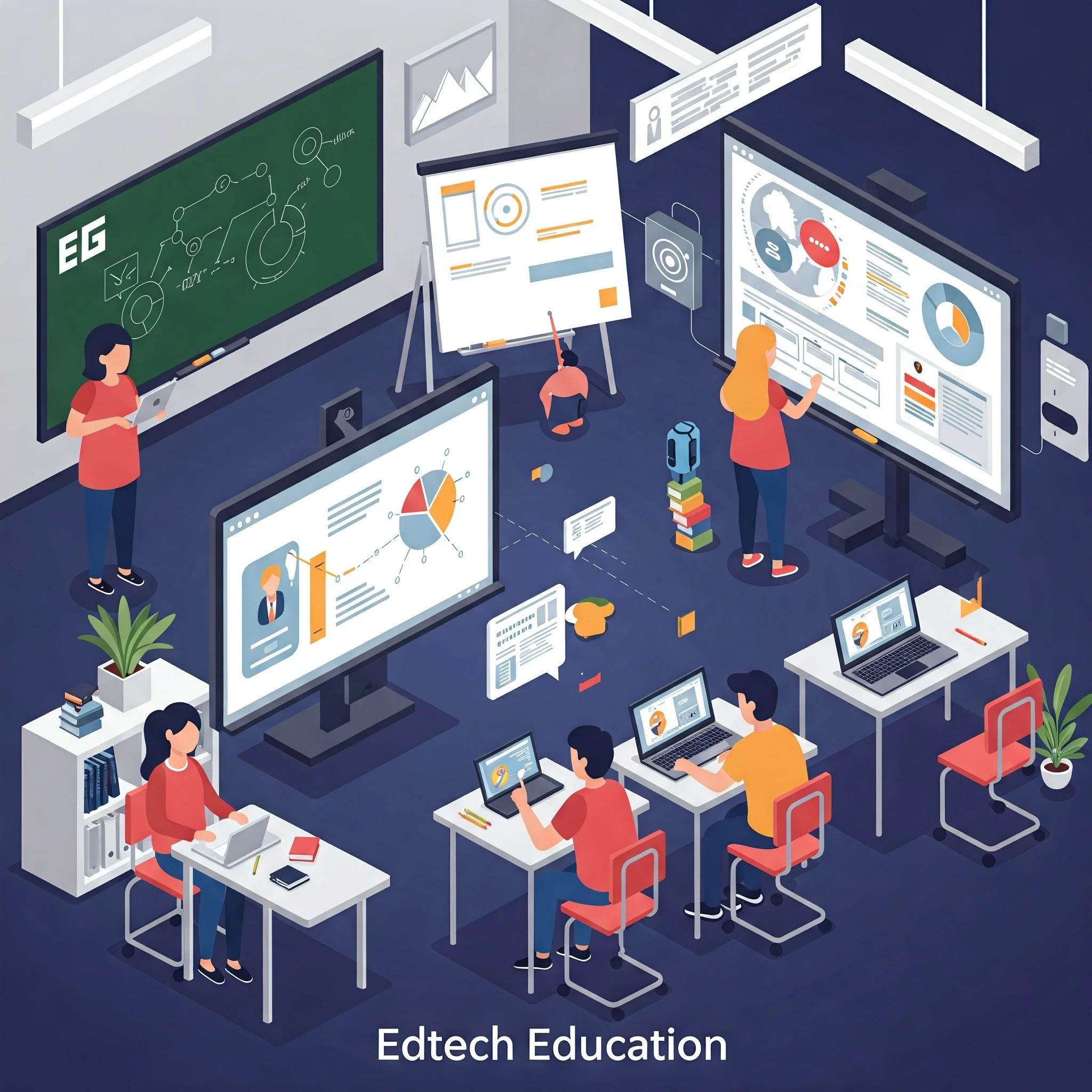
Education is the key to progress, but for millions of students in India, quality learning remains out of reach due to financial Limitations, lack of infrastructure, and geographical barriers. Fortunately, the rapid advancement of Educational Technology (EdTech) is bridging these gaps by making learning more affordable and accessible. With digital tools, online platforms, and innovative teaching methods, EdTech is revolutionizing the education landscape, empowering students from all backgrounds to achieve their academic goals. The Rise Of Edtech In India Over the past decade, EdTech has witnessed exponential growth in India, driven by increased internet penetration, smartphone usage, and government initiatives promoting digital education. The COVID-19 pandemic further accelerated the adoption of online learning, making EdTech an essential part of mainstream education. Today, platforms like BYJU’S, Unacademy, Vedantu, and Khan Academy provide quality education to students across the country, breaking traditional barriers and ensuring equal learning opportunities for all. How Edtech Is Making Education More Affordable Reduced Tuition Costs: Traditional education often involves high tuition fees, transportation expenses, and study material costs. EdTech platforms offer online courses at a fraction of the cost, eliminating the need for expensive textbooks and physical infrastructure. Freemium Learning Models: Many EdTech companies provide free access to a wide range of learning resources, such as video lectures, quizzes, and practice tests. Students can upgrade to premium plans only if they need additional features like live tutoring and personalized mentoring. Scholarships and Financial Aid: Several EdTech platforms partner with organizations and governments to provide scholarships and financial assistance to underprivileged students, ensuring that economic challenges do not hinder their learning journey. Pay-as-You-Learn Models: Instead of paying large fees upfront, many EdTech platforms offer subscription-based models, allowing students to pay only for the courses they need, making education more financially flexible. How Edtech Is Making Education More Accessible Students from rural and remote areas, who previously had limited access to quality education, can now learn from top teachers and institutions through various platforms. With the rise of the online education app India, learners can access interactive courses, recorded lectures, and AI-driven personalized learning, ensuring a more inclusive and flexible education system. Learning Beyond Geographical Barriers: Students from rural and remote areas, who previously had limited access to quality education, can now learn from the best teachers and institutions through online platforms. Multilingual Education: Language barriers often restrict access to education. EdTech platforms now offer courses in multiple regional languages, enabling students to learn in their mother tongue and understand concepts better. Adaptive and Personalized Learning: AI-driven EdTech solutions analyze students’ progress and adapt lessons to their individual learning pace and style. This personalized approach helps students grasp complex subjects more effectively. Availability of Recorded Lectures: Unlike traditional classrooms, where students may miss important lessons due to absence, EdTech platforms provide recorded lectures, allowing students to learn at their convenience and revisit topics as needed. Accessibility for Differently-Abled Students: EdTech solutions include features like text-to-speech, subtitles, and interactive learning tools to cater to students with disabilities, ensuring that learning is inclusive for all. The Role Of Government And Private Initiatives The Indian government has been actively promoting digital learning through initiatives like: SWAYAM: A free online learning platform offering courses from top Indian institutions. Diksha: A digital platform for teachers and students with multilingual content. E-Vidya: A program aimed at making digital education accessible through TV channels, radio, and online platforms. Private companies and NGOs are also playing a crucial role by setting up smart classrooms, distributing digital devices, and conducting online teacher training programs to enhance digital literacy. Challenges And Solutions In Edtech Implementation Digital Divide: Not all students have access to smartphones or stable internet connections. To overcome this, the government and private sector are working on affordable data plans, free public Wi-Fi zones, and distributing low-cost tablets. Teacher Training: Not all educators are well-versed in digital teaching methods. Regular training programs are being introduced to help teachers adapt to the evolving EdTech landscape. Screen Time Concerns: Excessive screen exposure can affect students’ health. Hybrid learning models, which combine digital and offline learning, are being promoted to ensure a balanced approach. The Future Of Edtech In India With continuous advancements in AI, virtual reality, and gamified learning, the future of EdTech in India looks promising. As digital education becomes more refined and inclusive, it will play a crucial role in making quality education accessible to every student, irrespective of their financial or geographical constraints. By bridging the affordability and accessibility gap, EdTech is truly democratizing education in India, shaping a smarter and more empowered generation for the future.
Education Beyond Borders: How Online Learning is Breaking Geographic Barriers

Education has long been bound by geographical constraints, limiting access to quality learning opportunities based on location. However, with the rise of online learning, these barriers are rapidly dissolving, creating a world where anyone with an internet connection can access top-tier education from anywhere. This transformation is redefining the educational landscape, making learning more inclusive, flexible, and borderless than ever before. The Rise Of Online Learning The internet revolutionized various industries, and education is no exception. Over the past decade, online learning platforms, including the best online education app in India, have gained immense popularity, offering courses in diverse subjects, from basic literacy to advanced technical skills. The COVID-19 pandemic further accelerated this shift, pushing institutions to adopt digital classrooms as the primary mode of instruction. Today, e-learning platforms like Coursera, Udemy, Khan Academy, and numerous university-led initiatives are democratizing education by providing high-quality content to students worldwide. How Online Learning Breaks Geographic Barriers Access to Global Institutions: Students no longer need to travel across countries or relocate to access world-class education. Universities and institutions across the globe now offer fully online degree programs, allowing students to earn qualifications from prestigious institutions without ever leaving their homes. Affordable and Flexible Learning: Traditional education often comes with high costs, including tuition fees, accommodation, and commuting expenses. Online learning significantly reduces these costs, making education more affordable. Moreover, flexible learning schedules allow individuals to balance work, studies, and personal commitments. Bridging Educational Gaps in Remote Areas: Rural and underprivileged regions often suffer from a lack of quality educational infrastructure. Online learning eliminates this issue by providing access to well-structured courses, expert instructors, and interactive learning resources, enabling students from these areas to learn without needing to relocate. Personalized Learning Experience: Traditional classrooms follow a one-size-fits-all approach, but online learning offers personalized learning paths. Students can choose courses based on their interests and skill levels, progressing at their own pace. This adaptability makes education more effective and enjoyable. Language and Cultural Inclusivity: Online learning platforms provide multilingual courses and culturally diverse content, making education accessible to learners from different linguistic and cultural backgrounds. AI-driven tools like real-time translation and captioning further enhance understanding, helping non-native speakers grasp complex subjects with ease. The Role Of Technology In Online Learning Advancements in technology continue to enhance the online learning experience in various ways: Artificial Intelligence (AI): AI-powered tutors, chatbots, and automated grading systems provide personalized support to students, enhancing engagement and understanding. Virtual and Augmented Reality (VR & AR): These technologies create immersive learning experiences, enabling students to explore historical sites, conduct virtual science experiments, and practice real-world skills in a simulated environment. Cloud-Based Learning Management Systems (LMS): Platforms like Moodle, Blackboard, and Google Classroom facilitate seamless collaboration between students and educators, ensuring a structured and interactive learning experience. Mobile Learning (m-Learning): With the rise of smartphones, learners can now access education on the go, making it possible for students in rural or remote locations to study at their convenience. Challenges And Solutions In Online Learning Despite its benefits, online learning still faces some challenges: Digital Divide: Not all students have access to stable internet connections or digital devices. To bridge this gap, governments and organizations are investing in digital infrastructure, providing low-cost internet plans, and distributing educational devices to underserved communities. Lack of Hands-On Learning: Certain fields, such as medicine and engineering, require practical, hands-on experience. Institutions are addressing this issue by incorporating VR/AR simulations, remote labs, and hybrid learning models combining online theory with in-person practical training. Student Engagement and Motivation: Without physical classrooms, some students struggle with self-discipline and motivation. Interactive elements such as gamified lessons, discussion forums, live sessions, and AI-driven progress tracking help maintain engagement. Accreditation and Credibility: Employers and institutions sometimes question the credibility of online courses. However, as top universities and organizations continue to offer accredited online degrees and certifications, the recognition and acceptance of online education are steadily increasing. The Future Of Online Learning The future of education is undoubtedly digital. With rapid technological advancements and growing global connectivity, online learning will continue to evolve, offering even more interactive, inclusive, and high-quality educational experiences. Hybrid learning models, which combine the best of online and traditional education, will become the new Principle, further Connecting gaps in accessibility and quality. Conclusion Online learning has shattered geographic barriers, making education accessible to anyone, anywhere. As technology advances and institutions embrace digital transformation, the global education landscape will continue to expand, empowering individuals to learn, grow, and succeed beyond borders. Whether it’s a student in a remote village gaining access to world-class education or a working professional upskilling from home, the impact of online learning is profound and far-reaching, paving the way for a more knowledgeable and connected world.
The Impact of Online Education on Student Performance and Engagement

Introduction The way students study and engage with educational content has changed as a result of the growth of online education. Education is now more accessible, interesting, and customized thanks to digital learning resources like smart class applications and the top online education apps in India. With the global move to digital learning, online education in schools has become extremely popular. However, is their actual impact of online education on student for making involvement and performance? Let’s take a closer look at this. Enhanced Accessibility and Flexibility One of the biggest advantages of online education is the accessibility it provides. Students no longer need to be confined to physical classrooms to gain knowledge. With smart class apps and digital learning platforms, they can access high-quality educational materials from anywhere at any time. Students may learn at their own pace because to this flexibility, which makes it easier for them to understand difficult subjects without feeling pressured. Moreover, online education provides equal learning opportunities for students with physical limitations or those from remote places. This inclusivity improves overall student performance by removing traditional barriers to education. Personalized Learning Experience A one-size-fits-all strategy is frequently used in traditional classroom settings, which might not meet the individual learning needs of every student. However, with the best online education apps in India, students can enjoy a personalized learning experience. These platforms make study material recommendations using AI-driven systems that take into account a student’s strengths and weaknesses. Students can also take interactive tests, review lectures, and get immediate feedback—all of which help them retain and comprehend subjects better. When students learn in a way that suits them best, their engagement and performance naturally improve. Increased Student Engagement Through Interactive Content Maintaining student interest in traditional learning is an essential concern. Multimedia content such as films animations, simulations, and gamified tests are used by online learning platforms to get over this obstacle. Interactive features are used in smart classroom apps to keep students’ attention and motivation. For example, using 3D simulations to illustrate difficult ideas in a physics class is significantly more interesting than simply reading text from a book. Students are guaranteed to pay attention and retain information better thanks to this dynamic learning environment. Improved Time Management and Self-Discipline One of the underrated benefits of online education is that it teaches students time management and self-discipline. Unlike traditional classrooms where schedules are fixed, online education in school allows students to create their study plans. Students must, however, take greater responsibility for their education in order to benefit from this flexibility. By managing deadlines, setting personal study goals, and following a structured approach, students develop skills that are valuable not just in academics but also in their future careers. Better Performance Through Regular Assessments Assessments are essential for figuring out how well students are doing. Online learning environments frequently include projects, mock exams, and quizzes to assess students’ conceptual understanding. The AI-powered insights are available in the top Indian online education apps, which assist professors in pinpointing students’ areas of weak and provide targeted guidance. Regular assessments help students stay on track and comprehend their learning progress. Since these tests are often instant and adaptive, they ensure students continuously improve without the stress of traditional exams. Encourages Collaborative Learning Online education doesn’t mean learning in isolation. Many smart class apps come with collaborative features such as discussion forums, live group study sessions, and peer-to-peer learning activities. These features encourage students to interact with their peers and teachers, fostering a sense of community. Students can acquire a variety of perspectives and improve their problem-solving abilities through collaboration. Improved collaboration and communication skills among students have been noted by schools using online education techniques, which has benefited their overall academic development. Reducing Stress and Increasing Motivation Students frequently experience extreme stress from the old educational system because of its strict timetables and heavy workloads. Online education provides a more relaxed and stress-free learning environment. With features like gamification, progress tracking, and instant feedback, students feel a sense of accomplishment as they progress through their courses. Students gain confidence when they can learn without worry about failing, which eventually enhances their academic performance. Challenges of Online Education and Solutions While online education offers numerous benefits, it also has some challenges. Some students may struggle with distractions at home, lack of motivation, or technical issues. However, these challenges can be addressed by: Setting a dedicated study space. Following a structured timetable. Using parental controls and monitoring tools. Encouraging self-motivation through rewards and milestones. The Future of Online Education Online education in schools is only going to increase in popularity due to ongoing technological improvements. The integration of artificial intelligence, virtual reality, and adaptive learning models will make digital education even more effective. The best online education apps in India are already incorporating cutting-edge technologies to provide students with an immersive learning experience. In order to improve student performance and engagement in the years to come, schools and educators must embrace this digital transition. Conclusion Student performance and engagement are significantly impacted by online education because it provides flexibility, variation, and interactive learning opportunities. With smart class apps and advanced digital tools, students can learn more effectively while developing essential skills for the future. Using such benefits is essential as educational institutions continue to incorporate online learning in order to establish a comprehensive and effective learning environment. FAQ Section 1. What is the role of smart class apps in online education? Smart class apps enhance online learning by providing multimedia-rich, interactive content that makes learning interesting and efficient. To assist students do better, they also provide tools like progress tracking, live classes, and quizzes. 2. Which is the best online education app in India? Among the best online learning applications available in India are Byju’s, Unacademy, Vedantu, and Toppr. Your learning preferences and needs will determine which app is
Collaborating With Corporates: How Businesses Can Support Community Education

In today’s rapidly evolving educational landscape, collaboration between corporations and educational institutions has become increasingly vital. Businesses possess the resources, expertise, and reach to make significant contributions to community education, fostering societal development and creating a more skilled workforce. Corporate engagement in education is not just a philanthropic gesture but also a strategic investment in the future of the economy and workforce. The Imperative For Corporate Involvement Education serves as the cornerstone of societal progress, yet many communities, especially in developing regions, face challenges such as inadequate infrastructure, limited access to quality teaching, and insufficient learning materials. Corporate involvement can bridge these gaps, ensuring that education is both accessible and of high quality. When businesses contribute to education, they help build a society with better employment opportunities, innovation, and sustainable growth. Forms Of Corporate Support Corporations can play a pivotal role in enhancing community education through various initiatives: Financial Contributions: Direct funding can aid in constructing schools, providing scholarships, and supplying essential learning materials. Many corporations allocate a portion of their CSR budgets to educational initiatives, including online education in school, funding projects that support underprivileged students and enhance digital learning opportunities. Employee Volunteering: Encouraging staff to volunteer as mentors or tutors can offer students valuable insights and guidance. Employees with expertise in various fields can contribute by teaching specialized subjects, providing career counseling, or mentoring students from disadvantaged backgrounds. Infrastructure Development: Assisting in building and maintaining educational facilities enhances the learning environment. Companies can invest in school construction, provide classroom equipment, or fund science and computer labs to improve learning conditions. Technology Integration: Providing technological tools and training can modernize education, making it more engaging and effective. Many businesses donate laptops, tablets, or internet access to schools, enabling digital learning and bridging the digital divide. Industry-Academic Partnerships: Businesses can collaborate with educational institutions to create industry-relevant curricula, internships, and skill-based training programs. This approach ensures that students are better prepared for the job market with practical knowledge and hands-on experience. Case Studies Of Successful Collaborations Several companies have successfully implemented educational initiatives, positively impacting communities. Here are some notable examples: Larsen & Toubro (L&T): L&T’s STEM Education program, ‘Engineering Futures,’ has reached over 38,000 students across 205 schools, equipping them with knowledge in science, technology, engineering, and math. This initiative ensures that students from economically weaker sections gain exposure to modern STEM education. P&G India’s Shiksha Initiative: This program has impacted over 3.5 million children by enhancing educational infrastructure and empowering marginalized communities through education. Through partnerships with NGOs and local governments, P&G helps build classrooms, provide learning materials, and train teachers. Infosys Foundation: Infosys has been instrumental in funding the development of digital classrooms, promoting coding and programming skills among students, and supporting educational institutions in rural areas. Benefits To Corporations Engaging in community education initiatives not only fulfills corporate social responsibility but also provides tangible benefits to businesses: Enhances Brand Reputation: Demonstrates a commitment to societal well-being, leading to increased brand loyalty and trust among consumers and stakeholders. Develops Future Talent: Investing in education cultivates a skilled workforce, ensuring a steady pipeline of talented professionals who are equipped with relevant skills and industry knowledge. Strengthens Community Relations: Builds trust and goodwill within the community, fostering long-term relationships and potential business opportunities. Fosters Innovation: Exposure to educational initiatives often inspires companies to develop new products, services, and solutions catering to the education sector. Challenges In Corporate-Education Collaboration While corporate involvement in education has numerous benefits, certain challenges must be addressed: Sustainability of Initiatives: Short-term projects may provide temporary relief but do not lead to long-lasting change. Companies must focus on sustainable, scalable models that ensure continued impact. Alignment with Educational Needs: Businesses need to collaborate closely with educators and policymakers to ensure that their contributions align with actual community needs rather than being driven solely by corporate agendas. Measuring Impact: Establishing clear metrics to assess the effectiveness of educational initiatives can help companies refine their strategies and maximize impact. The Way Forward For corporate-education collaborations to be truly impactful, businesses must adopt a long-term, strategic approach. This includes: Partnering with governments, NGOs, and academic institutions to create well-rounded educational programs. Encouraging cross-sector collaborations where multiple companies join forces to address broader educational challenges. Leveraging technology and digital learning solutions to reach a wider audience and ensure quality education for all. Conclusion Corporate collaboration in community education is a symbiotic relationship that fosters societal growth and business development. By investing in education, businesses can create a lasting impact, paving the way for a brighter, more equitable future. As more companies recognize the importance of supporting education, the potential for transformative change increases, ensuring that knowledge and learning become accessible to all.
Innovative CSR Approaches to Support Underprivileged Students in the Digital Age

Education is a fundamental right, yet millions of underprivileged students in India struggle to access quality learning opportunities. With the rise of digital education, technology has the potential to bridge this gap. However, financial constraints, lack of digital infrastructure, and inadequate training remain significant barriers. Corporate Social Responsibility (CSR) initiatives have emerged as a powerful tool to support these students by integrating innovative approaches that leverage technology, infrastructure development, and skill-building programs. Companies across sectors are making substantial contributions to ensure that education reaches the most vulnerable sections of society, creating a brighter future for underprivileged students. The Role of CSR in Digital Education for Underprivileged Students With rapid digital transformation, traditional education models are evolving. CSR initiatives are playing a crucial role in making education more accessible and inclusive. Companies are investing in smart classrooms, e-learning platforms, digital devices, and teacher training to equip students with the necessary skills for the digital age. Key areas where CSR is making a difference include: Providing Digital Infrastructure: Establishing smart classrooms, distributing devices, and ensuring internet connectivity. Developing E-Learning Content: Creating localized, multilingual, and interactive educational resources. Training Teachers and Students: Conducting digital literacy programs to enhance learning outcomes. Financial Aid and Scholarships: Supporting students with tuition fees, books, and online course subscriptions. Innovative CSR Approaches Transforming Education 1. Smart Classrooms and Digital Learning Solutions One of the most impactful CSR initiatives is the introduction of smart classrooms in government and low-income private schools. Companies such as Infosys Foundation, TCS, and Wipro have been instrumental in setting up digital learning platforms that provide access to quality educational resources. For example, the Tata Trusts’ ‘Connected Learning Initiative (CLIx)’ integrates technology into classrooms to enhance learning experiences. These digital classrooms use multimedia content, interactive modules, and AI-based learning tools to engage students more effectively. 2. Free Digital Devices and Internet Connectivity Many underprivileged students lack access to smartphones, tablets, and laptops, making online education a challenge. CSR programs by companies like Samsung, Google India, and Dell Foundation focus on distributing digital devices and ensuring internet connectivity in remote areas. Initiatives like Google’s ‘Internet Saathi’ program have empowered thousands of students, especially girls, by providing internet access and digital literacy training in rural India. 3. Developing Multilingual E-Learning Content Language barriers often prevent students from accessing quality education. Many CSR programs are addressing this by developing multilingual and localized e-learning content. For example, the Reliance Foundation’s Education for All initiative has partnered with e-learning platforms to create educational content in regional languages, making learning accessible for students who are not fluent in English. 4. Teacher Training and Digital Literacy Programs Teachers play a critical role in ensuring the effectiveness of digital education. Several CSR initiatives focus on training teachers in digital pedagogy, helping them integrate technology into their teaching methods. Organizations like the Azim Premji Foundation and Microsoft’s ‘Project Shiksha’ provide teacher training programs to improve digital literacy and effective use of technology in classrooms. Through these programs, educators learn to use e-learning tools, interactive applications, and AI-powered analytics to track student progress and personalize learning experiences. 5. Scholarships and Financial Assistance for Online Education The economic impact of the digital divide is significant, with many students unable to afford online courses and digital learning tools. CSR-driven scholarship programs and financial assistance schemes help bridge this gap. Corporations such as HDFC Bank, ICICI Foundation, and Infosys Foundation provide financial aid to students from economically weaker sections, ensuring that financial constraints do not hinder their education. 6. Mobile Learning and Community Digital Centers For students in remote areas with limited school infrastructure, mobile learning initiatives and community digital centers serve as an alternative mode of education. CSR-backed programs such as the L&T CSR Digital Learning Vans bring educational content directly to students, especially in rural areas. These mobile classrooms are equipped with digital learning kits, projectors, and internet connectivity to enable learning in places where traditional schools are not available. Impact of CSR-Driven Digital Education Initiatives The impact of CSR initiatives in supporting underprivileged students in the digital age has been profound. Some of the key benefits include: Improved Learning Outcomes: Access to digital tools and smart classrooms enhances comprehension and engagement. Increased Enrollment and Retention: Schools equipped with digital learning solutions have witnessed higher attendance rates. Empowerment of Girls and Marginalized Communities: Digital education has provided new opportunities for students from disadvantaged backgrounds. Skill Development for the Future Workforce: Digital literacy programs help students develop critical thinking, coding, and problem-solving skills, preparing them for the future job market. Challenges and the Way Forward Despite the success of CSR initiatives, several challenges remain, including limited access to electricity, resistance to digital adoption, and the need for long-term sustainability. To ensure the continued success of CSR-driven digital education programs, the following steps must be taken: Stronger Public-Private Partnerships: Collaboration between governments, corporations, and NGOs can scale up digital education programs. Investment in Localized Digital Content: Creating region-specific e-learning materials will make education more inclusive. Ensuring Affordable Internet Access: Expanding connectivity in rural areas is essential for digital learning to reach every student. Continuous Training for Educators: Regular teacher training programs must be conducted to keep up with evolving digital tools and methodologies. Conclusion Corporate Social Responsibility initiatives have become a driving force in transforming education for underprivileged students in the digital age. By providing smart classrooms, digital devices, scholarships, and teacher training, companies are not only fulfilling their CSR obligations but also making a lasting impact on the future of education in India. As technology continues to reshape the learning landscape, CSR-driven digital education programs will play a crucial role in ensuring that every child, regardless of their socio-economic background, has access to quality education. By fostering collaboration and innovation, these initiatives can help bridge the educational divide and create a more equitable learning environment for all.
How E-Learning Is Revolutionizing India’s Education System

The rapid evolution of technology has significantly impacted various aspects of human life, and education is no exception. The Digital India Initiative, launched in 2015, aims to transform India into a digitally empowered society and knowledge economy. This ambitious program has significantly impacted the education sector by promoting digital infrastructure, digital literacy, and the delivery of educational services through digital means. One of the most profound effects has been the rise of e-learning, which is revolutionizing how students across the nation access and engage with educational content. With the widespread availability of the internet, the increase of affordable smartphones, and increasing government initiatives, digital learning is breaking barriers and bridging gaps in education. Whether through online courses, virtual classrooms, or interactive e-learning platforms, the digital revolution is making education more accessible, personalized, and engaging. This article explores the transformative power of e-learning, its evolution, government initiatives, benefits, challenges, and the future of digital education in India. What Is E-Learning? E-learning, refers to the use of digital platforms and tools to deliver educational content outside traditional classrooms. It encompasses online courses, a smart class app, and digital resources that facilitate learning through electronic devices such as computers, tablets, and smartphones. This mode of education offers multiple advantages, including flexibility, accessibility, and personalized learning experiences, making it a viable alternative to conventional teaching methods. Unlike traditional education, which relies on physical infrastructure and face-to-face interactions, e-learning leverages technology to create an interactive and immersive educational experience. The Evolution Of E-Education In India India’s educational landscape has undergone a significant transformation, moving from traditional chalk-and-board classrooms to digital learning spaces. The rapid increase in internet penetration and the affordability of smart devices have facilitated this shift. Earlier, students depended heavily on physical textbooks and classroom-based teaching. However, with the rise of e-learning platforms, students now have access to high-quality educational content, expert-led video tutorials, digital classroom management, and AI-driven personalized learning solutions. This transformation has democratized education, allowing learners from diverse backgrounds to benefit from digital resources irrespective of their geographical location. The shift towards digital education has been further accelerated by the COVID-19 pandemic, which forced schools and universities to adopt online learning. As a result, e-learning has now become a mainstream method of education rather than just an alternative. Impact Of Covid-19 On E-Learning Adoption In India Sr. No Key Factors Pre-COVID (Before March 2020) Post-COVID (March 2020 & Beyond) 1 Surge in Online Learners ~45 million online learners (2019) 90+ million online learners (2021) – nearly doubled 2 Increased EdTech Investments ~$500 million investment in 2019 ~$4.7 billion investment by 2021 (10x growth) 3 Growth in Internet Penetration ~50% internet penetration (~600 million users) ~65% internet penetration (~900 million users in 2023) 4 Pre vs. Post-COVID E-Learning Adoption Limited to urban areas & higher education Mass adoption across schools, colleges & professional learning platforms 5 Growth of EdTech Startups ~4,500 EdTech startups 6,500+ EdTech startups by 2022 6 Government Initiatives Existing platforms like SWAYAM, DIKSHA Expansion of digital education policies under ‘Digital India’ How The Digital India Initiative Is Fueling E-Education The Indian government has played a crucial role in promoting e-learning by launching various initiatives under the Digital India program. These initiatives are aimed at enhancing digital infrastructure, equipping educators with technological skills, and providing students with accessible and high-quality digital content. Some of the most significant programs include: 01. Swayam SWAYAM (Study Webs of Active Learning for Young Aspiring Minds) is an online platform that offers a wide range of courses, from school education to postgraduate studies. This initiative aims to bridge the digital divide and provide access to quality education to students who were previously left out of the digital revolution. The platform features interactive learning modules, video lectures, and self-assessment tools, making education more engaging and comprehensive. 02. Diksha Diksha is a digital infrastructure designed for teachers. It provides training modules, teaching resources, and assessment tools to help educators improve their teaching methodologies. With an extensive library of lesson plans, multimedia content, and quizzes, Diksha empowers teachers to create a more interactive and effective learning experience for students. 03. E-Pathshala E-Pathshala is an initiative by the National Council of Educational Research and Training (NCERT) that offers digital resources, including textbooks, audio, video, and other learning materials for students, teachers, and parents. It ensures that quality educational content is available in multiple formats and languages to serve to a diverse audience. Additionally, programs like BharatNet are connecting rural areas to high-speed internet, ensuring that digital education reaches even the remotest parts of the country. Technological advancements such as Artificial Intelligence (AI), Augmented Reality (AR), and Virtual Reality (VR) are further enhancing the e-learning experience by making it more immersive and interactive. Mobile Vs. Desktop Learning: Data Comparison Sr. No Category Mobile Learning 📱 Desktop Learning 💻 1 Engagement Time per Session 10-25 minutes (short bursts) 30-60 minutes (longer focus) 2 Preferred Learning Style Microlearning, interactive content In-depth learning, detailed courses 3 User Demographics Younger students, professionals on the go University students, corporate employees 4 Ease of Access High (anytime, anywhere) Medium (requires a fixed setup) 5 Content Format Preference Videos, quizzes, podcasts PDFs, research papers, detailed modules 6 Learning Effectiveness High for short-term retention High for deep understanding 7 Distraction Level Higher (notifications, multitasking) Lower (dedicated learning environment) 8 Completion Rate of Courses Lower (prone to interruptions) Higher (better focus & commitment) 9 Best for Quick skill-building, revision Full-course learning, certifications 10 Challenges Small screen size, potential distractions Less portable, requires setup The Benefits Of Digital Education E-learning offers numerous advantages over traditional education, making it a preferred choice for students, educators, and institutions alike. As technology continues to evolve, digital education is becoming increasingly accessible, interactive, and effective in fostering academic growth. Below are some of the key benefits of digital education: Accessibility One of the most significant advantages of e-learning is its ability to provide education to students in remote and rural areas. Digital learning eliminates geographical barriers, allowing students to access quality educational
Role Of Government Initiatives In Promoting Digital Education In India

Education is the foundation of a country’s progress, and with the emergence of digital technology, India is seeing a revolution in learning. But how does this transition occur? The Indian government has played an important role in ensuring that digital education reaches every part of the country. Learning has been more accessible than ever thanks to a variety of programs, platforms, and initiatives. Let’s look at how the government’s initiatives are changing the future of education in India. What is Digital Education? Digital education refers to the integration of technology-driven tools and platforms to enhance teaching and learning experiences. It surrounds various digital resources such as e-learning platforms, virtual classrooms, interactive applications, video lectures, and AI-powered education solutions. These technologies provide students and teachers with seamless access to high-quality learning materials, promoting a more dynamic and effective educational environment. By using the power of the internet, cloud computing, and artificial intelligence (AI), digital education enables flexible, inclusive, and accessible learning opportunities that go beyond traditional classroom settings. It allows students to learn at their own pace, access global resources, and engage with interactive content that enhances comprehension and retention. Teachers, on the other hand, benefit from advanced analytics, automation tools, and AI-driven insights to personalize learning experiences for each student. E-Education User Distribution in India Category Users (Millions) Percentage L-12 Online Learners 35 29% Higher Education Enrollments 25 21% Skill-Based & Certification 60 50% Importance Of Digital Education In India India is home to over 1.4 billion people, with a large percentage residing in rural and semi-urban areas. Due to infrastructure challenges, limited access to qualified teachers, and economic disparities, digital education in India has become a necessity to bridge the education gap. Below are the key reasons as to why it is essential: Bridging The Educational Divide Traditional classrooms often fail to reach remote villages. Digital education in India removes these geographical barriers by offering online courses and study materials accessible from anywhere. Enhancing Skill Development The rise of digital technologies has created a demand for professionals skilled in coding, artificial intelligence, data analytics, and other emerging fields. Digital platforms provide affordable skill-development programs. Affordable And Scalable Education Traditional education requires physical infrastructure, textbooks, and trained faculty. In difference, e-education in digital India enables mass learning at a significantly lower cost, reducing financial strain on students. Interactive And Engaging Learning Methods Gamification, virtual reality (VR), augmented reality (AR), and AI-driven personalized learning make education more engaging, increasing student retention and understanding. Supporting Government Initiatives Digital education in India aligns with the Digital India mission, ensuring educational equity by making resources available across diverse socio-economic backgrounds. Digital Education Statistics in India Sr. No Category Statistics Source 1 Total Schools in India 14.72 lakh (1.472 million) PIB 2 Total Students 24.8 crore (248 million) PIB 3 Total Teachers 98 lakh (9.8 million) PIB 4 Schools with Computers 57.2% (up from 38.5% in 2019-20) PIB 5 Schools with Internet 53.9% (up from 22.3% in 2019-20) PIB 6 Urban Households with Internet 42% NSO 7 Rural Households with Internet 15% NSO 8 Internet Access by State Delhi – 55%, Kerala & Himachal Pradesh – 50%+, Odisha – 10% Officers Pulse 9 Digital Initiatives SWAYAM – Free online courses, DIKSHA – 7,080+ digital textbooks in 101 Indian & 7 foreign languages Govt. Sources 10 Challenges Rural-urban digital divide, lack of internet in schools, limited access to devices Various Studies Advantages of Digital Education in India The Government of India has launched multiple initiatives under the Digital India umbrella to promote e-education in Digital India. Here are some of the most prominent programs: 01. Breaking Geographical Barriers Digital education provides access to quality learning for students in remote areas through smartphones, tablets, and initiatives like SWAYAM, DIKSHA, and e-Pathshala. It also supports students with disabilities through assistive technologies. 02. Flexible & Personalized Learning Unlike traditional classrooms, digital education allows self-paced learning, benefiting working professionals, homemakers, and competitive exam aspirants. AI-driven platforms personalize study plans to improve learning outcomes. 03. Cost-Effective Education By offering free or low-cost courses, e-books, and recorded lectures, digital education reduces expenses related to tuition, transport, and coaching. 04. Real-Time Assessment & Feedback AI-driven tools enable instant grading, performance analysis, and personalized study recommendations, ensuring continuous improvement. 05. Interactive & Engaging Learning Multimedia content, gamification, VR/AR tools, and collaborative platforms enhance comprehension, retention, and critical thinking. 06. Eco-Friendly Learning Paperless education reduces deforestation, carbon emissions, and energy consumption, promoting sustainability. Digital education is transforming India’s learning landscape, making education more inclusive, flexible, and future-ready. Aim And Goals Of Digital Education In India The Digital Education initiative in India, under the broader framework of Digital India, aims to create an inclusive, technology-driven learning ecosystem that empowers students nationwide. The primary objectives include: Universal Access to Education Ensuring that students from all demographics, including rural and remote areas, have access to high-quality digital learning resources. Encouraging Self-Learning Promoting the use of MOOCs (Massive Open Online Courses) and e-learning platforms to cultivate independent learning habits, fostering a culture of continuous education and skill development. Reducing Urban-Rural Education Gap Expanding digital infrastructure and connectivity to ensure equitable learning opportunities for students in underserved regions. Skill Enhancement for Employment Aligning educational courses with industry requirements by offering specialized training in fields like artificial intelligence (AI), machine learning (ML), blockchain, and cloud computing to enhance employability. Integration of Advanced Technology in Education Using advanced technologies such as AI, Virtual Reality (VR), and Augmented Reality (AR) to create immersive learning experiences and improve understanding. Key Government Initiatives For Digital Education In India The Government of India has launched multiple initiatives under the Digital India umbrella to promote e-education in Digital India. Here are some of the most prominent programs: 01. Diksha -Interactive e-learning materials in multiple languages. -Digital textbooks, lesson plans, and assessments for students and teachers. 02. E-Pathshala Developed by NCERT, this platform offers: -Digital textbooks, audiobooks, and videos across multiple languages. -Accessibility in offline mode, ensuring learning without internet dependency. 03. Vidyadaan -Encourages educators, experts, and