Education is among the fastest-growing sectors of our times. The traditional classroom with formal seating and hard desks is being replaced with something more modern and dynamic cafes that focus on education. These modern cafes aren’t only about drinking coffee while reading textbooks.
In reality, they are transforming the entire method of learning by forming vibrant communities instead of isolating classrooms.
This blog will explore how educational cafes are transforming the way we learn. We will also explore the distinctiveness of these places and how they create connections that extend beyond the classroom walls.
What Are Education Cafes?
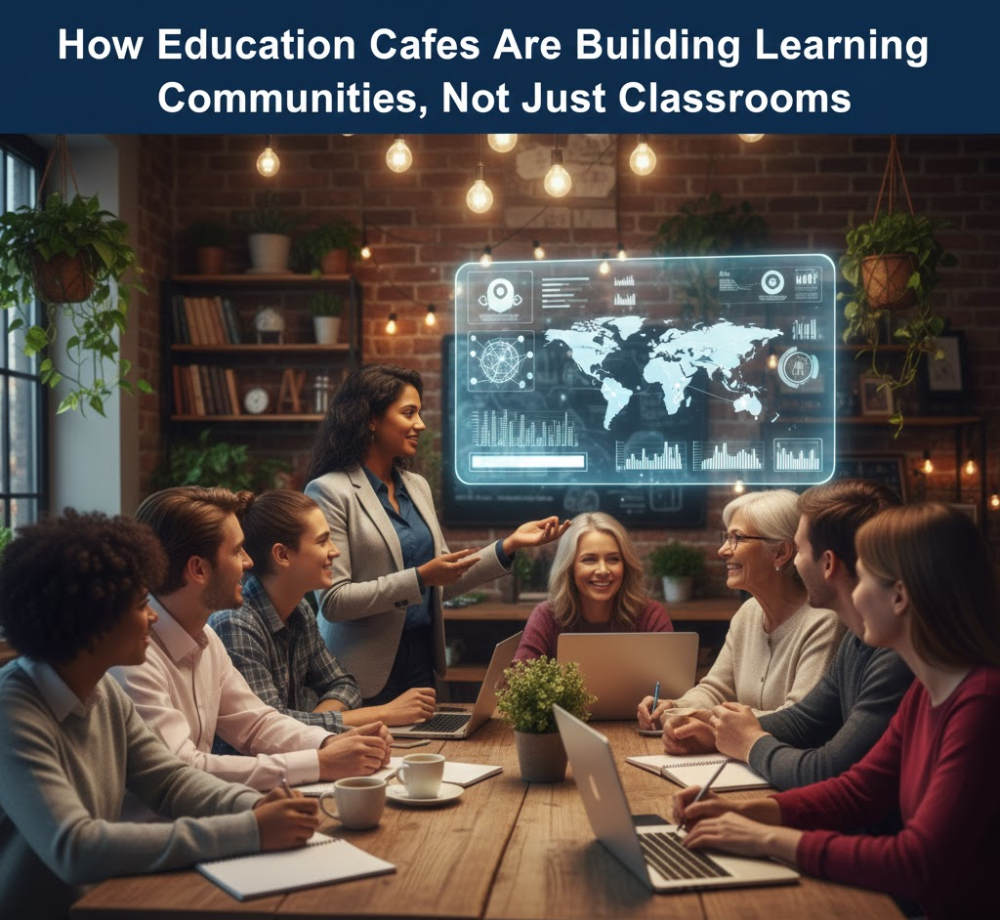
Education cafes are places that provide education as part of the community. Imagine a relaxing space with interactive books and boards with comfortable seating, as well as the sound of conversations. The cafe at the educational level isn’t quite as traditional as the classroom.
The Education Cafe is a place for teachers, students, and lifelong learners alike to come together to share ideas, discuss topics and support one another’s improvement.
Creating a Sense of Belonging: The Community Approach
The primary benefit of an education café is that it provides a genuine sense of belonging. Instead of lecturing in a classroom, an education cafe promotes interaction, collaboration, and mentorship. People from all kinds of backgrounds gather to discuss, learn, and form networks. This helps break away barriers and make every participant a contributing member.
Cafes for education can grasp the social aspect of learning. When students feel respected and valued, they’re more likely to be engaged in the learning process. Study groups, friendships, as well as peer-to-peer learning thrive in these open spaces.
How Education Cafes Encourage Collaborative Learning
Collaboration is the basis of all cafes that offer education. Learning isn’t just one-way. Teachers serve as facilitators, rather than traditional instructors. The focus shifts from traditional learning to critical and creative thinking.
- Group discussions can replace the need for silent reading.
- Problem-solving exercises encourage collaboration.
- Workshops and guest lectures provide fresh perspectives.
- Mentorship programs assist students of all age groups.
- Open mics and project days give students a chance to showcase their skills.
By making learning fun, educational cafes enable students to take control of their education, asking questions and experimenting with new ideas without hesitation.
Beyond the Curriculum: Real-World Connections
Educational cafes stand out because they are connecting the academic curriculum with real-world problems. The curriculum is flexible and often designed by the students themselves. From programming to entrepreneurship, art, and social issues, topics are relevant and applicable.
Students are presented to entrepreneurs, professionals, or activists who provide their experiences and knowledge. This enriches the learning process and motivates students to think beyond the classroom. For example, at the education cafe, a biology lesson might lead to discussions about environmental sustainability, and the math class could discuss budgeting for small businesses.
Technology and Flexibility: The Modern Edge
Educational cafes are using modern technology to help make learning more adaptable and accessible. Online workshops, digital resources, online classrooms, and interactive apps are seamlessly joined. This allows learning to happen anytime, anywhere.
This flexibility lets you choose from a range of learning styles and speeds. If you are an early riser or an early riser at night, the model of education cafes allows you to access community resources and support that suit your preferences.
How Education Cafes Build Lasting Networks
In the education cafe, you are not just an individual student, but part of a vibrant community. The friendships you build in this program extend beyond the walls of the classroom. Alum networks, community events and regular mentorship keep the excitement for learning in high gear.
These networks are highly valuable and offer a variety of benefits, from advice on career development and business opportunities to lasting relationships and a constant source of inspiration. Thus, education cafes can be seen as platforms to help you grow professionally and personally.
The Role of Education NGOs in India
The rise of education-focused cafes is closely linked to the work of a range of organisations, especially in India. Some of the most prominent education NGOs in India are currently setting up community-run facilities. They aim to provide an excellent education for all and make it an enjoyable experience for everyone.
For instance, platforms like Vidyalaya.Org is helping to connect students with mentors, resources, as well as a vibrant community of teachers. These organisations ensure that the cafes in schools aren’t only for those with a wealth of resources, but they are available to adults and children of diverse backgrounds. For more information or to join the cause, go to the educational NGO within India.
The Benefits of Education Cafes
What are the reasons why educational cafes are gaining an enormous amount of interest? These are the significant benefits:
- Inclusionary Ambience: All are welcome regardless of race or background.
- Individualized Learning: Students can choose what and how they would like to learn.
- Skills Development: Focus on the real-world aspects of career and life skills, not just academics.
- Better Motivation Support from the community keeps learners motivated and accountable.
- Emotional well-being: social aspects reduce isolation and increase confidence.
Education Cafes vs. Traditional Classrooms
The education cafe differs from the traditional classroom in several ways. The primary difference lies in how they approach learning and community formation. Learning can take place in a linear and teacher-directed manner in a classroom setting, or in an education cafe, where learning is open, flexible, and focused on the learner.
The cafe encourages curiosity and diversity, and helps create a space where questions are more important than the answers. The shift from authority to facilitation can affect how people learn and develop.
Future of Learning: Why the Education Cafe Model Works
The concept of the education cafe is more than a trend; it’s a glimpse into the future of education. As technology advances and our societies change and evolve, the need for education to remain relevant. By combining academic learning with social interaction, educational cafes are helping create resilient, imaginative people.
You could be a student, a teacher, or simply interested in going to an educational cafe, and that could alter your perspective on what learning really is.
FAQ’s
1. What makes an education cafe different from the traditional classroom?
Education cafes seek to establish communities of learning, not lecturing. The atmosphere is both collaborative and flexible, focusing on practical applications rather than the traditional classroom rigid structure.
2. How can education cafes support lifelong learning?
Educational cafes can be a wonderful opportunity to connect with students from diverse backgrounds, ages and preferences. This encourages the sharing of knowledge and continual improvement of skills in a secure and calming setting. Learning to live is easy and enjoyable.
3. Are education cafes accessible in India?
Indeed, some of the most renowned educational NGOs in India, such as vidyalaya.org, are seeking to set up educational cafes that provide quality education accessible to everyone, regardless of their income.
4. How can I get involved with an education cafe or education NGO in India?
There are platforms, such as education NGOs in India, that provide information about volunteering opportunities and ways to participate in their projects.