
What Impact Do Digital Classrooms Have on Students?
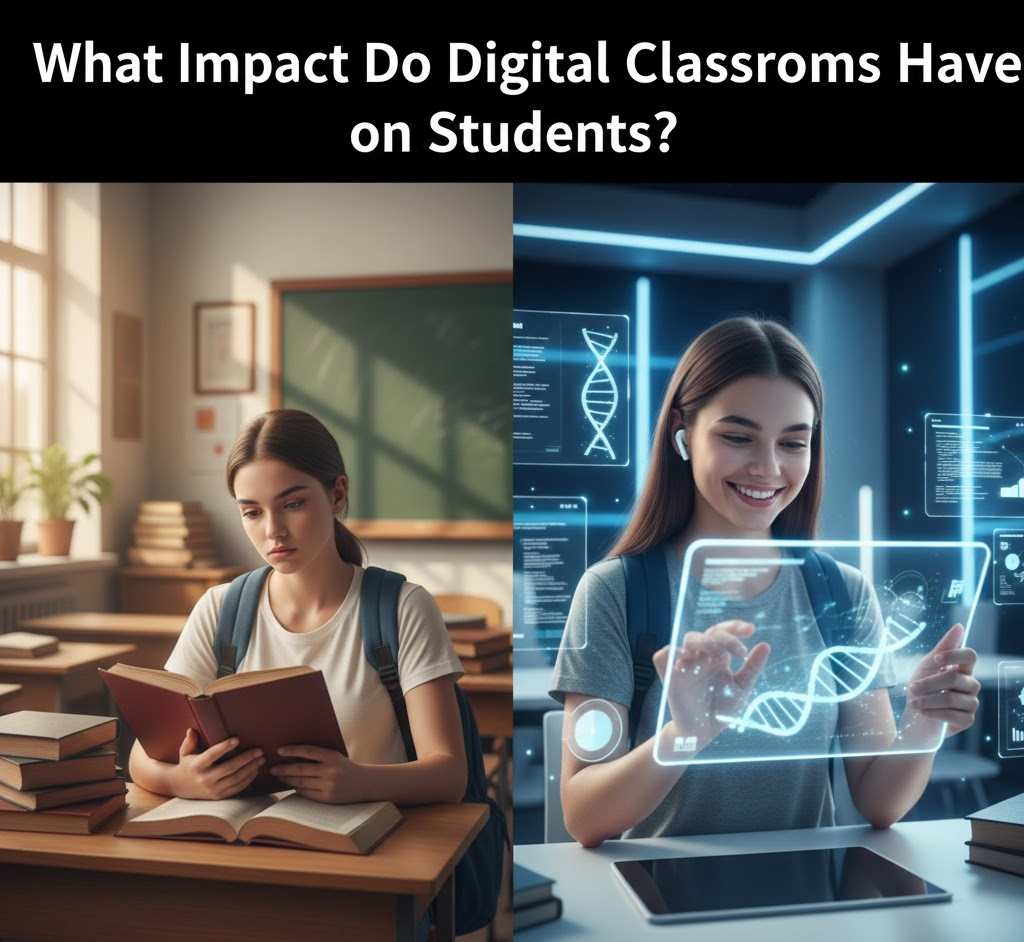
The way in which education is developed in this age of digital technology is revolutionary. The days of learning were conducted via chalkboards and textbooks. Digital classrooms today have changed the way that students develop, interact, and learn. What can digital learning offer students? Let us have a look and learn how digital classrooms can impact how students learn to comprehend concepts, stay focused, remain motivated, and perform better academically. Understanding the Impact of Digital Classrooms on Students The digital classroom is powered by technology, allowing students to access their lessons, lesson materials, notes, and even the materials they need online. Digital classrooms are having a significant impact on students, transforming the learning environment and opening new possibilities. This is the guideline for everything, from the process to the extent of student involvement. How Digital Classrooms Improve Student Engagement Engaging students is an essential aspect of every class. Interactive tools such as videos or quizzes, as well as live polls, can make learning more enjoyable. Chat boxes, for instance, offer instant feedback and collaborative capabilities, while virtual classrooms encourage students to be involved in the learning process. When students are engaged in the virtual classroom, their enthusiasm and interest are enhanced. Engagement is not just about having fun; it is also about creating an environment that fosters learning. Accessibility and Flexibility: Making Learning Available to All However, one of the most significant impacts digital classrooms have made on students is accessibility. Digital classrooms break down barriers. No matter if a student is in a remote area or a modern city, all they need is an Internet connection. Flexibility is an additional benefit. Recorded lessons can be replayed multiple times, allowing students to pause and review sections they do not understand at their own pace. This lets students learn at different paces and keep their progress on track without feeling they are lagging. Personalized Learning: Tailoring Education for Every Student Every student is not the same. Digital classrooms recognize this and provide individualized learning experiences. Students can choose items that meet their needs and their strengths and areas to improve. The benefits of digital learning classrooms for children are evident when they take adaptive assessments and receive personalised feedback. Teachers can track their pupils’ progress and provide support when needed. This type of support is usually individualized and can lead to better academic performance and more confidence among students. Bridging the Gap Between Teachers and Technology The effectiveness of digital classrooms depends not only on students but also on teachers. Teachers are adapting to the latest technology, and the effects of digital classrooms on students are becoming increasingly evident. Digital tools can help teachers monitor their progress, offer instant feedback, and make learning more fun. Training and online resources help teachers stay up to date and create a better learning environment for all. Challenges Faced by Students in Digital Classrooms Although the benefits are impressive, the effect of digital classrooms on students can be detrimental. There are a few issues that need to be addressed Technical issues: Slow internet or outdated devices can hinder learning. Distraction: The web is awash with distractions: social games on the internet, as well as notifications and games. Students may be isolated. Some students are not interested in face-to-face interactions or aspects of social interaction in traditional classrooms. The Digital Divide is that students are unable to access technology in the same way or to find a quiet place to work. The identification and resolution of these issues are essential to maximizing the positive impact on students in digital classrooms. Real-World Skills: Preparing Students for the Future It is not only about convenience, but it is also about helping students prepare for the world of work. The effects of digital classrooms on students extend beyond the classroom to crucial life skills, such as navigating the digital age, managing time, and developing self-control. Students are taught to use online platforms and collaboration tools, and to manage their time. These abilities will be helpful in the future for further learning and, beyond that, for making digital classrooms not just a trend but, in actuality, the next step in the new learning environment. The Role of Education NGOs and Community Support The effect of a digital classroom on students depends on the community’s work. There are organizations, such as educational NGOs in India, that help fill gaps in digitalization and provide the resources needed so that no child is left behind. To learn more about their programs, visit vidyalaya.org. Their dedication to equal access and high-quality education enables thousands of students to benefit from online learning environments Key Takeaways: The Impact of Digital Classrooms on Students Learn actively using engaging learning instruments. Provide flexibility and accessibility to make education more inclusive. Personalized learning can be tailored to your individual requirements. Training students for the digital future. Essential life abilities Be prepared for challenges such as interruptions in access, distractions, and fatigue from online use. FAQs 1. What are the differences between digital classrooms with traditional ones? Digital classrooms offer more flexibility and personalization of learning than traditional classrooms. Digital classrooms are a great way to build students’ skills, not only those related to their subjects but also in engaging with digital media. 2. What are the challenges students face in digital classrooms? Students may face technology-related issues or distractions. They may also feel isolated. It is crucial to tackle these issues to improve the positive impact of digital classrooms on students. 3. Are digital classrooms equally beneficial to all students? The effect of digital classrooms on students varies depending on technological capabilities and internet access. Education-related organizations can fill in the gaps to ensure that every student is benefiting. 4. How do digital classrooms support students’ future careers? The effect of digital classrooms on students is observed in the development of digital skills, including time management, and in the acquisition of the abilities needed to succeed in today’s workplace. Digital classrooms offer more flexibility and personalization of learning
The Role of Teacher Training in Improving Rural Education Quality
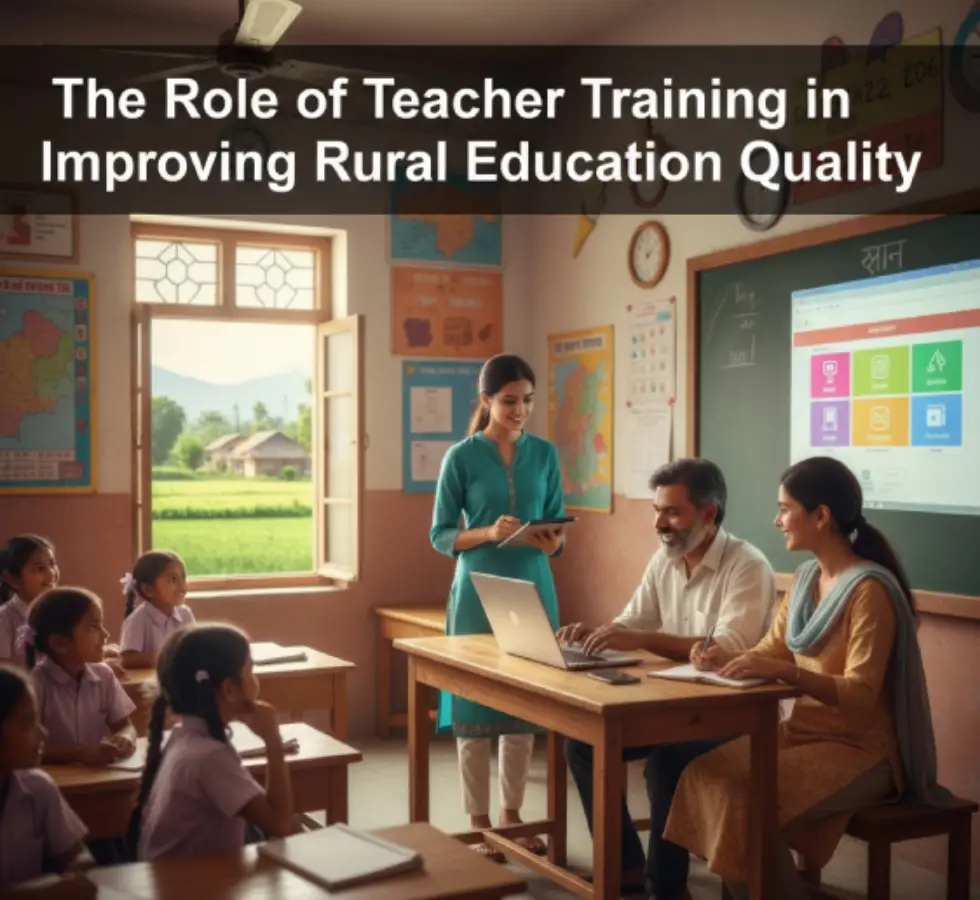
Rural education is crucial to shaping India’s destiny despite government initiatives, many schools.Rural areas struggle due to underqualified staff, poor facilities, and a lack of exposure to modern teaching techniques. To strengthen the education system, one step is essential: teacher training in rural India: Teacher training in rural India. Without the development of skilled teachers, efforts to achieve education quality improvement will not be successful. The quality of the teacher has a direct impact on student results. Well-trained educators don’t simply deliver lessons; they also inspire.This is why teacher development programs are the foundation of reforms aimed at improving rural education standards. Why teacher training is important in rural India Teachers act as a bridge between students and policies. The classroom experience is defined by the teacher’s ability to innovate, adapt, and connect with the children. Many rural schools are facing a shortage of qualified educators. The value of teacher training in rural India lies in its ability to change not only teaching methods but also community trust. When parents see teachers who are capable of guiding their children, , parents feel more confident about sending their children to school. This leads directly to improving education quality at the grassroots level Common Rural Teacher Challenges Teachers in rural areas face challenges that are very different from those of their urban counterparts. Rural teacher challenges include: Modern teaching methods are not being used by teachers Large classrooms with limited materials Balance administrative and teaching tasks Access to refresher or training courses is not adequate Lack of libraries and science labs Even the most dedicated teachers can struggle in these environments. It is difficult to concentrate on improving education quality in such environments without support. Teacher Development Programs: What is their role? Investing in teacher development programs is a great way to strengthen rural schools. These programs provide teachers with the tools they need to improve their classroom management and update their knowledge. Workshops, online sessions, and mentoring programs all play a part in the transformation of rural teaching. Development programs provide educators with training in digital literacy, inclusive teaching, and life skills. They ensure that education quality improvement across regions by addressing rural teacher challenges. Rural Schools can benefit from teacher training The benefits of teacher training in rural India are immediate as well as long-term. Some of the key benefits include: Interactive teaching increases student engagement Structured lesson planning improves academic performance Students find learning fun, reducing dropout rates Strengthening community faith in schools Teachers who are empowered and feel valued will be motivated to do their best. Students succeed when teachers grow. Each step towards improving education quality has a multiplier effect on future generations. Innovative Training Approaches The traditional workshop is not enough for modern teacher training. Rural educators require flexible and context-specific teaching methods that are adapted to their local environment. Teacher Development Programs can be supported by peer-to-peer groups, mobile micro-courses, and collaborations between the government and NGO. Digital platforms are of particular importance. Online modules can be used to introduce teachers in remote areas to global teaching methods and new methods. Organizations such as Vidyalaya.org demonstrate how technology-driven solutions can improve accountability and outcomes, and support teacher management. Education Quality Improvement: A shared Responsibility Education quality improvement cannot be left to teachers alone. This requires collective responsibility by policymakers, administrators and parents. Training is more effective when there are strong monitoring systems, incentives to rural educators and upgrades in infrastructure. By creating resource-sharing hubs that allow multiple schools to access labs, libraries, and digital content, you can reduce the pressure on each institution. These initiatives are more sustainable and effective when they align with Teacher Training in Rural India. Rural Education: Practical Steps to Improve Rural Education Some actionable steps to overcome rural teacher challenges and enhance learning include: All teachers should receive regular refresher training Materials to help teach local languages Teachers in remote areas can be offered incentives to work there Blended learning is the use of both digital and offline tools Share best practices through peer mentoring networks These measures can make rural education more accessible and effective. They also pave the way to meaningful education quality improvement . FAQs 1. Why is it important to train teachers in rural India? Teachers need to be trained in modern methods and skills. Students in rural India are at a disadvantage without strong teacher training in rural India 2. What are the most significant challenges facing rural teachers? The most common rural teacher challenges include the large class size, lack of resources and training, as well as administrative burdens. All of these factors reduce classroom quality. 3. How can teacher development programs enhance education? Teacher Development Programs assist educators in upgrading skills, adopting new methods, and engaging students better. These efforts lead directly to improving quality education in rural classes. 4.What steps ensure education quality improvement in villages? In order to achieve a sustainable improvement in education quality, it is necessary to have training programs, upgrade infrastructure, involve parents, and receive community support. Collaboration with platforms such as Vidyalaya.org can also have a long-term effect. Teachers need to be trained in modern methods and skills. Students in rural India are at a disadvantage without strong teacher training in rural India The most common rural teacher challenges include the large class size, lack of resources and training, as well as administrative burdens. All of these factors reduce classroom quality. Teacher Development Programs assist educators in upgrading skills, adopting new methods, and engaging students better. These efforts lead directly to improving quality education in rural classes. In order to achieve a sustainable improvement in education quality, it is necessary to have training programs, upgrade infrastructure, involve parents, and receive community support. Collaboration with platforms such as Vidyalaya.org can also have a long-term effect. Conclusion Teachers are the backbone of India’s educational system. To improve rural schools, teacher training in rural India is essential. It must address both skills development and context challenges. By implementing continuous
Digital Divide in Indian Education: Bridging the Gap for Rural Students
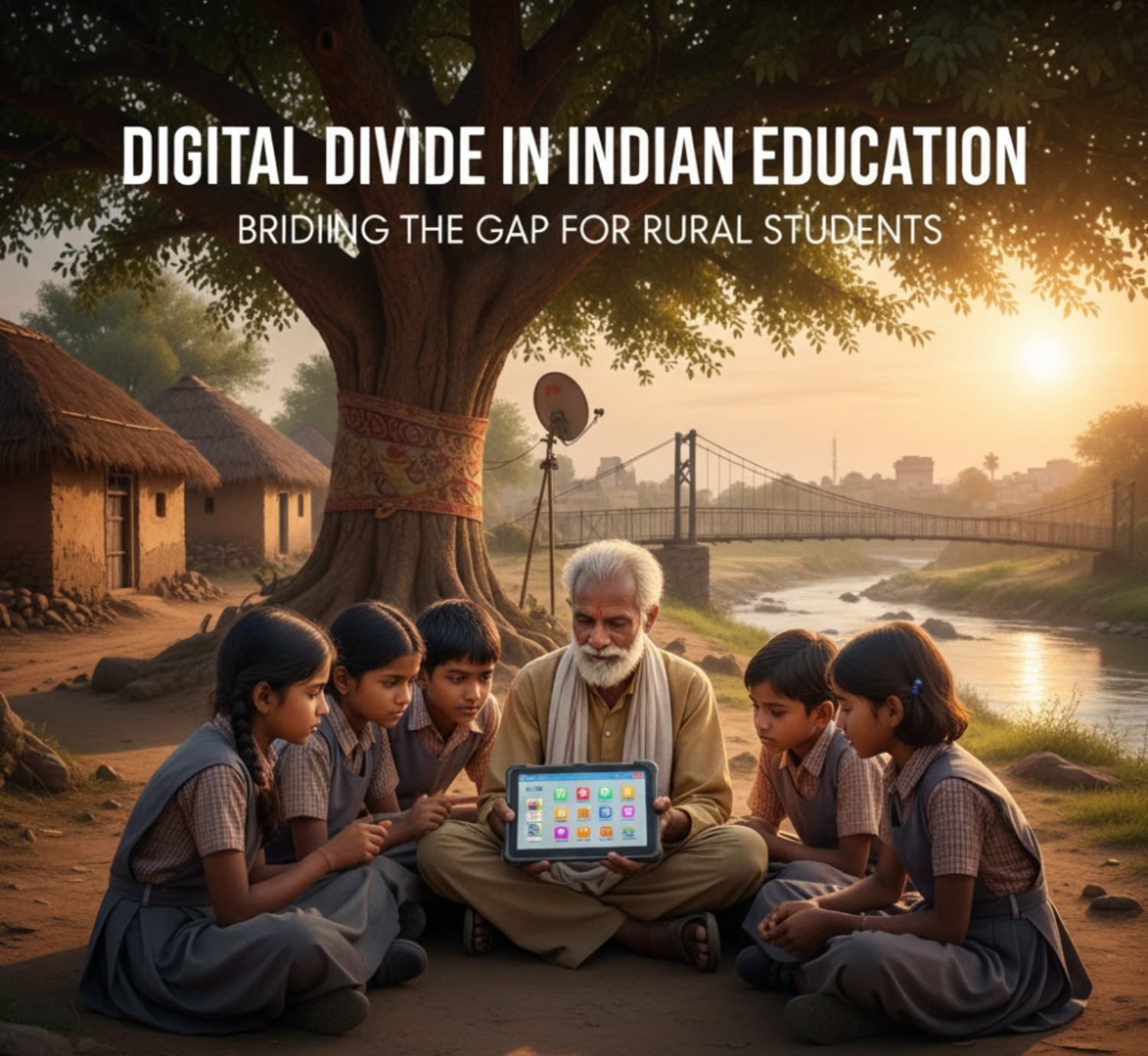
India’s rapid digital transformation has revolutionized urban education, but the digital divide in India education remains a critical challenge. While urban students access high-speed internet and smart devices effortlessly, millions of rural students face severe technology access barriers. This educational technology gap—spanning internet connectivity in rural schools, device availability, and digital literacy—threatens to undermine educational equality. The COVID-19 pandemic exposed this divide dramatically. As online learning became essential, rural students’ technology access proved inadequate, leaving millions behind. Addressing online learning challenges in India requires urgent, comprehensive solutions to bridge the gap between villages and cities, ensuring every child can participate in digital education regardless of location Understanding the Digital Divide in Education The digital divide in Indian education is the difference between students with and without access to technology. The digital divide is not just limited to devices and the internet, but includes everything. According to the National Sample Survey (2023), while 96% of urban households have access to at least one digital device, only 54% of rural households do. The educational technology gap becomes even more pronounced when examining high-speed internet access—available to 85% of urban schools but merely 25% of rural schools Quality content is available for all. Teachers are trained to use digital tools Infrastructure and electricity: Reliable power The affordability of smartphones, laptops or tablets Online classes are routine for urban families. For rural children, watching even a single educational film can be difficult. This imbalance exacerbates social inequality. Addressing these multifaceted issues requires understanding how internet connectivity in rural schools, rural students’ technology access, and the broader educational technology gap intersect to create online learning challenges in India Digital Divide: Urban vs Rural Students This comparison highlights the significant educational technology gap and explains why access to technology for rural students remains a critical policy priority. Factor Urban Students Rural Students Internet Access 70%+ households with broadband 35-40% households with any internet Device Availability Personal smartphones/laptops common One device shared by family School Infrastructure High-speed internet connectivity Poor or no internet connectivity in rural schools Teacher Training 65% digitally proficient 30% digitally proficient Learning Continuity Minimal disruption during online shifts Severe online learning challenges in India Digital Literacy High exposure from early age Limited educational technology gap understanding Rural Students’ Technology Access Challenges Rural students’ access to technology is often determined by their environment. In many villages, a smartphone is shared by multiple children within a family. Many homes lack stable electricity, making charging devices difficult. Another barrier is affordability. In 2023, a survey found that only 28 per cent of rural households were online. This is a stark contrast to urban households, where 70 percent have constant digital access. Rural learners are at risk of being left behind by today’s digitally-driven education system if they don’t get help. Improving rural students’ technology access is fundamental to closing the digital divide in India education and ensuring equitable learning opportunities Online Learning Challenges in India Online platforms have brought about flexibility, but they have also revealed gaps. Some of the key online learning challenges in India include Poor internet connectivity in rural schools The lack of affordable devices Teachers are not adequately trained to use digital tools Language barriers in digital content No dedicated study space at home can lead to distractions Rural students may also feel less confident than their urban counterparts.These online learning challenges in India disproportionately affect rural areas where the educational technology gap is widest The Educational Technology Gap Explained The education technology gap does not only concern hardware. It is a reflection of inequality in digital literacy, exposure and skills. A rural student may struggle to connect to a video conference due to poor connectivity. This imbalance impacts future employment and opportunities. Closing the digital divide in India education is not just about being fair, but also about preparing students for the digital economy. Internet Connectivity in Rural Schools Internet connectivity in rural schools is a major roadblock. UNESCO reports that inadequate internet connectivity in rural schools affects approximately 70 million students across India. Average internet speeds in rural areas (5-10 Mbps) are insufficient for video-based learning, compared to urban areas (50-100 Mbps) Some schools and villages operate without any digital infrastructure or reliable networks. The Internet is slow, expensive, and unstable, even when it is available. Schools cannot effectively adopt eLearning platforms without strong connectivity. Teachers face similar challenges when downloading resources, holding live classes or accessing digital initiatives led by the government. Rural education will continue to be behind until connectivity is stable and affordable. Initiatives to Bridge the Gap Government data shows that PM eVIDYA has reached over 25 million students since 2020, demonstrating how targeted programs can improve rural students’ technology access. However, only 40% of intended beneficiaries have consistent access, highlighting ongoing online learning challenges in India. There are several solutions to close the gap Government programs: Initiatives such as PM eVidya (Digital India) and Digital India are aimed at expanding digital learning. Low Cost Devices : NGOs, startups and other organizations are developing affordable tablets that come pre-loaded with educational material. Community Learning Centers : Shared hubs and devices with internet allow multiple students to work together. Teacher Education: Equipping teachers in rural areas with digital skills will help them better guide their students. Platforms such as Vidyalaya.org support digital education ecosystems through school management and learning tools that are more accessible. The Role of Teachers and Parents Teachers trained to work within connectivity constraints can creatively address online learning challenges in India even when internet connectivity in rural schools remains limited The issue cannot be solved by technology alone. Teachers are key to closing the educational technology gap. It is easier to adopt digital tools and blended-learning methods if they are trained. Even parents with little digital expertise can encourage students to use the tools they have. Solutions become sustainable when communities actively participate. Shared community Wi-Fi networks and group study setups, for example, can reduce the burden placed on families Practical Solutions
Why Raising Awareness on Girl Child Education Is Key to Gender Equality
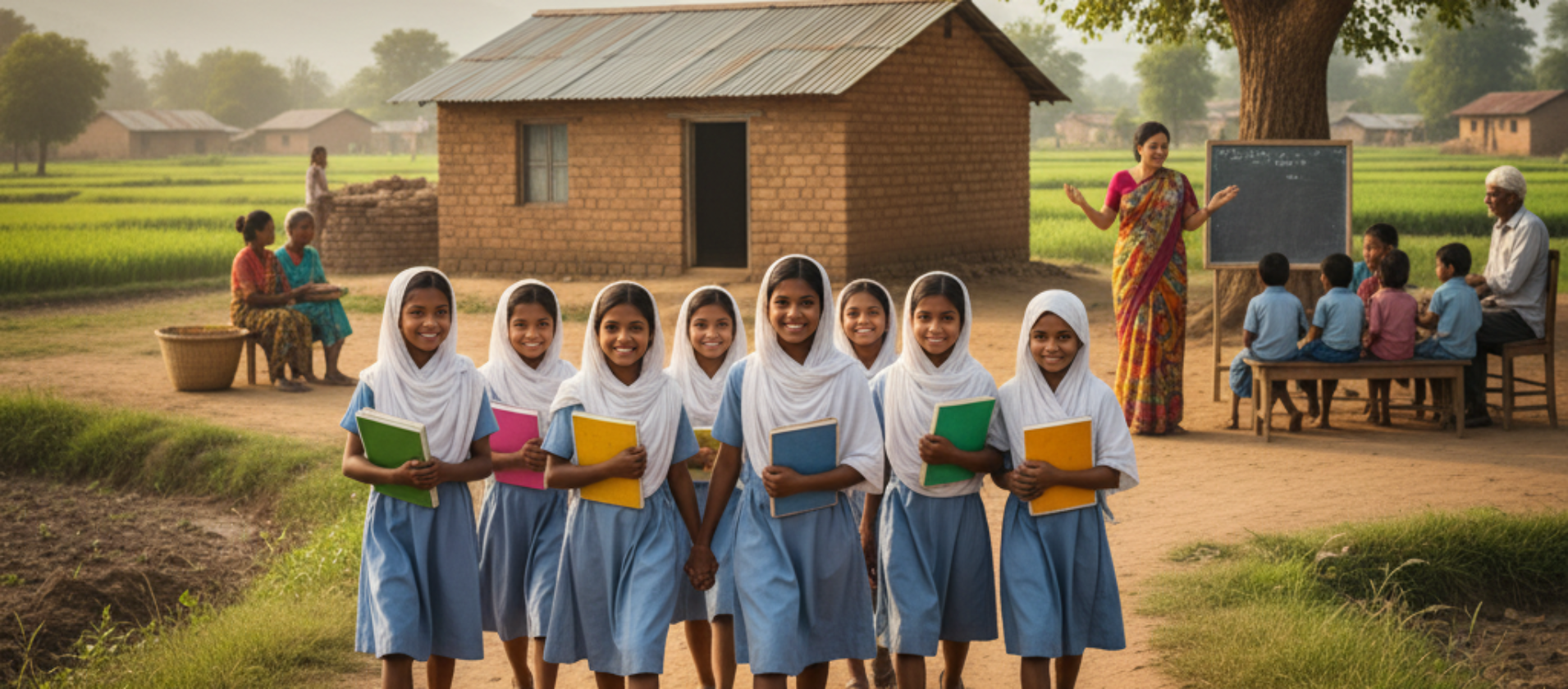
Gender equality is recognized as a key pillar in building a sustainable and just society. Education is at the core of this vision. When we speak of progress, raising awareness about girl child education is not only a matter of fairness but also a necessity for economic, cultural, and social development. Millions of girls face barriers to learning due to poverty and cultural norms; they also lack access to quality education. To close the gender gap, it is essential to address these barriers through education. The Link Between Education and Gender Equality Education is the basis for equal opportunity. Girls who attend school are better able to end cycles of poverty and advocate for their rights. They can also participate in the decision-making process. Education is the key to gender equality because it levels the playing field Girls who finish their education are more likely to delay marriage and have better career prospects. They also raise healthier families. They gain more than just confidence. They also acquire agency and challenge the traditional structures that limit women.It is because of this ripple effect that the importance of girls’ education cannot be overstated Girls’ Barriers to Education In many places, girls still lack opportunities to learn. Families tend to prioritize the education of boys, leaving girls with more household duties.The situation is made worse by the lack of sanitation in schools, dangerous travel routes, and financial constraints. Cultural norms play an essential role. Awareness campaigns are vital in societies where the education of girls is viewed as inappropriate or unnecessary. They help change attitudes and enable parents and communities to see the value of girls’ education. Raising Awareness: What It Means The first step towards change is awareness. Building schools is not enough if families and communities don’t support the girls who attend them. Societies can dismantle stereotypes by raising awareness of the benefits of education for girls. When awareness campaigns feature stories of women who have achieved success through education, they inspire families to reconsider their outdated beliefs. Local organizations, schools and digital platforms can help. Online initiatives like vidyalaya.org demonstrate how technology can be used to bring educational awareness and resources beyond the traditional classroom Benefits of Girl Child Education Gender equality has a strong economic component. Educated girls become women who contribute meaningfully to society . According to studies, nations with higher rates of female literacy have greater economic growth. Women’s equal participation in the workforce increases productivity and household income .This strengthens communities and improves a nation’s economy. Raising awareness helps people understand that girl child education isn’t charity but an investment with lifelong benefits Empowering girls to shape the future Education is more than just teaching literacy and numeracy. It equips girls with critical thinking and leadership skills that prepare them to fight inequality. When girls know their rights and are equipped with the tools to enforce them, they can become change agents in their community. Development Skills for Girls In addition to educating girls, it is crucial that they also acquire practical skills to prepare them for their future. Skill-building is essential to ensuring that girls can thrive in the modern economy. The following are the key skills that girls learn through education: Digital Literacy – Bridging the digital divide and opening up global opportunities. Problem-solving – encouraging innovation and resilience. Communication and Leadership: Prepare them for decision-making roles. Independence: The freedom to make decisions about goals, careers, and life paths Families and communities can see that girls’ education encompasses more than just academic learning. It is also about preparing them to contribute confidently and productively to society. Role of technology in spreading awareness Technology has revolutionized the way that awareness is raised. Social media campaigns, online learning resources and virtual classrooms help to reach out to even the most remote regions. Digital platforms such as vidyalaya.org help overcome these barriers by offering safe, accessible online learning from home They offer resources that overcome barriers of geography and stigma. Globally, the widespread use of smartphones and the internet has made it easier to spread awareness about the importance and value of girls’ education. Videos, success stories, and data-driven campaigns can inspire action and influence policies. Challenges of Awareness Campaigns The challenges are still there, despite the progress. In conservative societies where tradition is strong, awareness campaigns often meet with resistance. Funding may be lacking for consistent initiatives. Without proper monitoring, campaigns may raise awareness but fail to translate into actual enrollment increases. For campaigns to be successful, they must be inclusive, long-term, and community-driven. Parents, religious and political leaders, and local influencers can help ensure that awareness messages are more effective and have greater impact. Education as a path to equality and justice Without a focus on girls’ education, achieving the global vision of gender equality cannot be realized. Education gives girls dignity, independence and the opportunity to fight systemic discrimination. When girls have equal access to education, they can participate in all areas of life – from politics and economics to culture and scientific fields. Global initiatives, local NGOs, and schools must work together to ensure that awareness campaigns become part of a larger, sustained social justice movement rather than temporary efforts. Societies can create an inclusive environment by prioritising the education of girls. Conclusion Raising awareness about girl child education is not just a campaign; it’s a move towards equality. Societies can achieve gender equality by challenging outdated norms and showing families tangible benefits from education. To have gender equality in a society , every girl must be allowed to grow and learn. Platforms like vidyalay.org show how collective efforts can help support this vision. Education gives girls a chance to have a voice and a sense of identity. Gender equality is a reality when communities, governments and individuals work together to raise awareness. Education can empower one girl and inspire generations, proving that real progress starts in the classroom. FAQs 1. Why does girl education matter for society? Girls’ education promotes gender
Beyond Chalk And Board: Why Digital Classrooms Are The New Normal
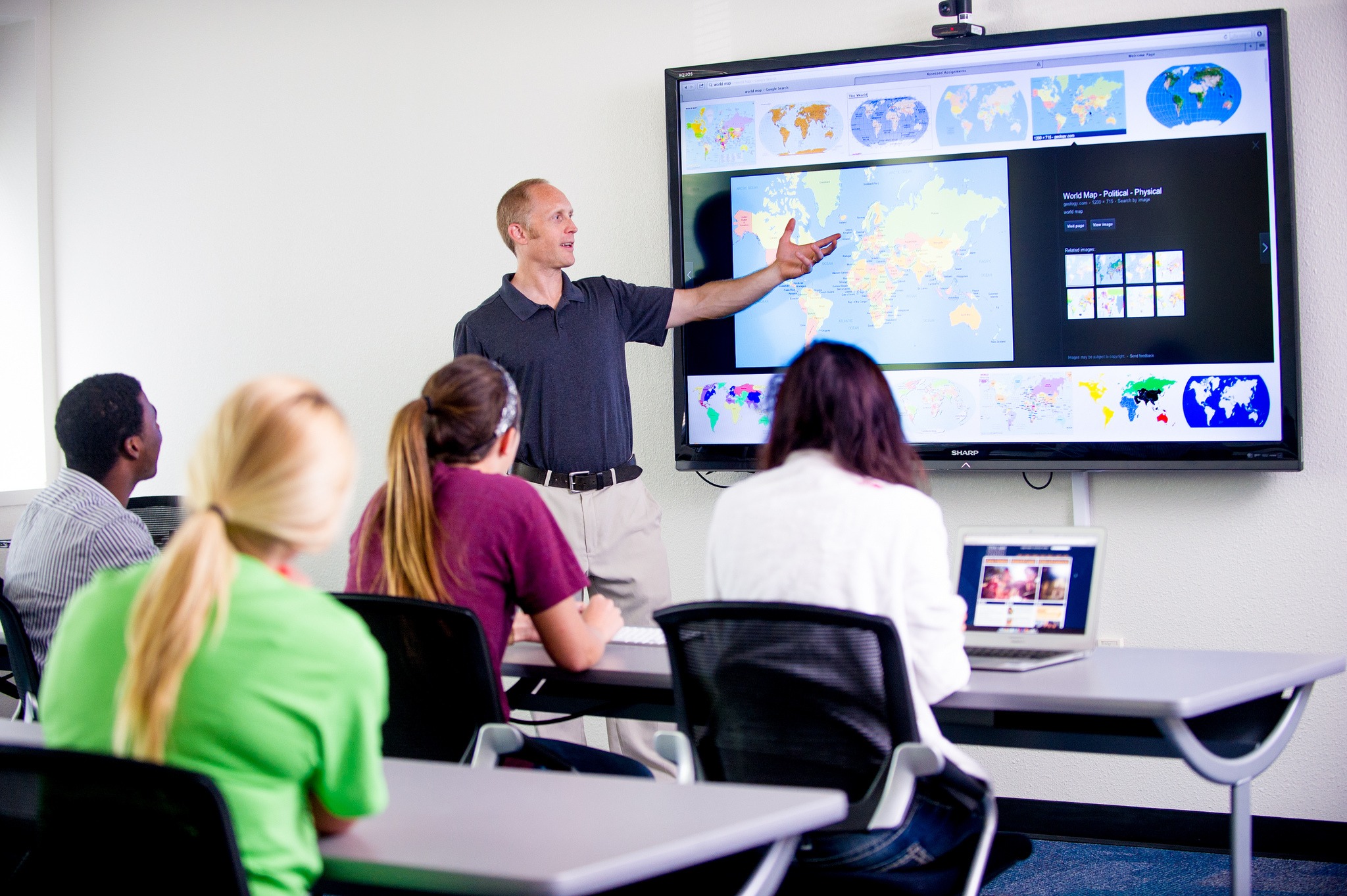
The education landscape is evolving rapidly, with digital classrooms replacing traditional chalk-and-board teaching methods. This shift is driven by advancements in technology, the increasing need for flexible learning, and the demand for personalized education. Digital classrooms offer interactive, engaging, and innovative learning experiences that cater to modern students’ needs, making them the new normal in the education sector. The Rise Of Digital Classrooms Traditional classrooms, while effective, often lack the adaptability required to meet the diverse needs of students. Digital classrooms, on the other hand, integrate technology-driven solutions that enhance student engagement, improve accessibility, and provide a more customized approach to learning. From interactive whiteboards to virtual labs, digital tools are reshaping the way educators teach and students learn. With the rise of e-learning platforms and smart class apps, schools and institutions are transitioning towards a more tech-enabled education system. Enhanced Learning Through Technology One of the biggest advantages of digital classrooms is their ability to enhance learning through technology. Features such as multimedia presentations, AI-driven analytics, and gamified learning modules make lessons more engaging and impactful. For instance, visual and interactive elements help students understand complex concepts more effectively than static textbooks. Augmented Reality (AR) and Virtual Reality (VR) take learning to the next level by providing immersive experiences in subjects like science, history, and geography. Flexibility And Accessibility Digital classrooms offer unmatched flexibility, allowing students to access lessons anytime and anywhere. This is particularly beneficial for students in remote areas who may not have access to quality educational institutions. With recorded lectures, online assignments, and cloud-based resources, students can learn at their own pace, ensuring better retention of information. Additionally, students with disabilities benefit significantly from digital classrooms as assistive technologies, such as text-to-speech and screen readers, help make learning more inclusive. Personalized Learning Experience Unlike traditional classrooms where one teaching method is applied to all students, digital classrooms allow for a more personalized learning approach. AI-powered platforms analyze student performance and adapt teaching materials based on individual strengths and weaknesses. Students can also revisit lessons, take customized quizzes, and receive instant feedback, helping them improve continuously. This personalized learning experience ensures better academic outcomes and fosters independent learning. Teacher Empowerment And Efficiency Digital classrooms not only benefit students but also empower teachers by providing innovative tools to enhance their teaching methods. Automated grading systems, real-time student performance tracking, and AI-based insights allow educators to focus more on student engagement rather than administrative tasks. Additionally, online collaboration tools enable teachers to connect with students beyond the classroom, providing additional support and guidance. Digital classrooms foster a more interactive teacher-student relationship, making education more effective. Cost-Effective Education Transitioning to digital classrooms reduces the cost of education by minimizing the need for physical textbooks, printed materials, and traditional infrastructure. Schools and institutions can invest in digital tools that provide long-term benefits at a fraction of the cost of maintaining conventional classrooms. For students and parents, this shift means reduced expenses on books, transportation, and other related costs, making quality education more affordable and accessible. Challenges And Solutions Despite the numerous advantages of digital classrooms, challenges such as the digital divide, internet connectivity issues, and lack of proper training for educators remain. However, governments, educational institutions, and tech companies are actively working on solutions to bridge these gaps. Bridging the Digital Divide: Initiatives providing affordable devices and internet connectivity in rural areas help make digital education more accessible. Teacher Training Programs: Educators are being trained to effectively use digital tools, ensuring a seamless transition from traditional to digital teaching methods. Hybrid Learning Models: A blend of digital and traditional teaching methods is being adopted to cater to students with varying levels of access to technology. The Future Of Education The transition to digital classrooms is not just a trend; it is the future of education. As technology continues to advance, the education sector will witness even more innovations that enhance learning experiences. With AI-driven tutors, smart class apps, and cloud-based education systems, students will receive a more engaging, efficient, and interactive learning experience. The shift towards digital classrooms ensures that education keeps pace with the evolving world, equipping students with the skills required for the future. Conclusion Digital classrooms have become the new normal, offering flexibility, accessibility, and personalized learning experiences. The integration of technology in education is transforming traditional teaching methods, making learning more interactive and effective. As schools and institutions embrace digital transformation, the future of education looks more promising, inclusive, and innovative than ever before. The move beyond chalk and board is not just an upgrade—it is a revolution in education that is here to stay.