
Government Schemes for Free Education in India – A Complete Guide
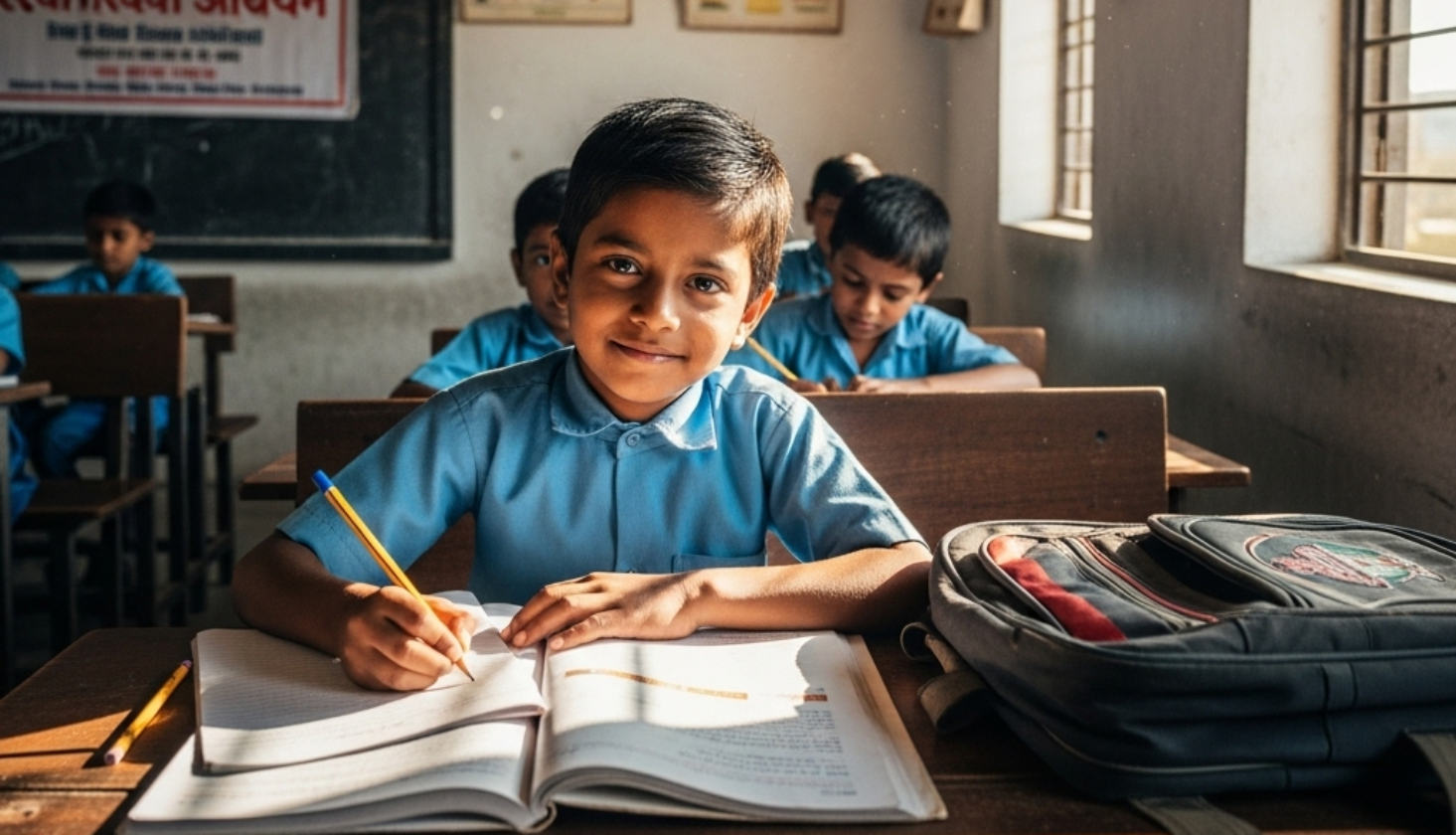
In a diverse country like India, it is important to ensure that all children have access to high-quality education. In recognition of this, the Indian government has launched multiple initiatives that make education affordable and accessible to all. Free education in India is one of the most important factors in closing the gap between privilege and opportunity. This guide examines the main free education schemes launched in the country, their goals, and the impact they have on students and the society. Why Free Education is Important Education is more than just literacy. It is empowerment. The Government of India ensures equal opportunities for children from less privileged backgrounds by providing free education. It breaks the cycle of poverty and inequality. It also prepares the younger generation with skills to thrive. Free education schemes do not just waive tuition fees; they also provide textbooks, midday meals, and scholarship funds to ensure that children remain in school. This comprehensive support increases enrollment rates and decreases dropout rates, especially in low-income and rural communities. Government of India’s Main Education Schemes India has launched several educational programs promoting free education. Here are some of India’s most important initiatives, which continue to shape the future of millions of students. 1. The Right to Education With the implementation of the Right to Education Act in 2009, education underwent significant transformation. The act established free and mandatory education for children ages 6 to 14 as a fundamental right. Private schools are required by this free education program to set aside 25% of their seats for students from underprivileged families. 2. Sarva Shiksha Abhiyan (SSA) The United States launched the SSA in 2001 with a goal to universalize education. The program offers free uniforms, textbooks, and learning materials. It also addresses infrastructure and teacher-training issues. This is one of the most important free education programs in India. 3. Midday Meal Scheme The program combines hunger and education by providing free, nutritious meals at schools. The program aims to improve attendance and malnutrition, as well as encouraging parents to send their kids to school regularly. 4. Kasturba Gandhi Balika Vidyalaya (KGBV) KGBV is an NGO that is based on the education of girls. It establishes residential schools for girls in marginalized communities. This free educational scheme promotes gender equity by ensuring that girls do not drop out of school due to social or financial barriers. 5. National Scheme of Incentive for Girls to Secondary Education This initiative provides financial incentives for girls who finish primary school and go on to secondary education. The scheme works to strengthen the ecosystem for free education in India by combining financial support with awareness. Benefits of Government Schemes Success of a Free Education Scheme is measured by the impact it has on literacy rates and gender equality. Some of the benefits include: The number of students enrolled in public and private schools has increased. Dropout rates , particularly those from marginalized groups and communities, will be reduced. Improved health and nutrition with meal-based programs Enhance opportunities for future employment and skill-building. These results show that free education is not just a social responsibility but a smart investment in the nation’s future. Enhancing Productivity and Skills through Education Free education schemes must also focus on skill development to prepare students for today’s challenges. Government schemes emphasize digital learning and practical knowledge, which help students to build confidence and productivity. Platforms such as vidyalay.org extend the reach of government initiatives by providing digital resources and tools that complement classroom learning. India’s youth can be better prepared for the workforce of tomorrow by combining free education with skills training. Challenges in Promoting Free Education in India Despite the progress made, these initiatives still face effectiveness challenges Particularly in rural areas, there is a shortage of trained teachers Inadequate school infrastructure includes insufficient toilets, classrooms, and libraries. In conservative areas, social barriers discourage girls from pursuing an education. Parents are unaware of the available schemes. These obstacles show that while free education schemes provide opportunities, it is necessary to monitor the program and involve the community in order to ensure long-term success. The role of awareness in promoting free education The success of free education in India depends on awareness levels. Many families in remote areas are not aware of the government schemes and their benefits.By spreading awareness through local campaigns, non-profits, and digital platforms, we can ensure eligible children don’t miss out Vidyalay.org and other online resources, such as , play a crucial role in raising awareness of this issue by providing information and resources to parents, educators and communities. People are more likely to support and use these programs when they understand the importance of education. The Future of Free Education in India India’s future vision includes not only enrolling children in schools but also ensuring they receive quality education to prepare them for the globalized world. The next phase of free education schemes will likely focus on: Online learning and digital classrooms are expanding. Integration of vocational training and employability Skills Better teacher training to improve educational standards Promoting inclusion for children with disabilities By addressing these areas, India can create a more robust and equitable education system Final thoughts The push by the government for free education in India is one of India’s most important steps. Each free educational scheme is only as successful as its implementation, participation of the community, and innovation. Platforms such as vidyalay.org show us how knowledge should be accessible to all children, regardless of their background. The free education scheme is about creating a new generation of confident, skilled and knowledgeable people that can lead India to a more prosperous and sustainable future. FAQs 1. Why is free education important in India? In India, children from poor backgrounds are eligible for free education, which includes meals, textbooks, tuition and scholarships. These efforts are complemented by platforms like vidyalay.org, which offer digital resources that make learning accessible to all. 2. What are the major government schemes that provide
How E-Learning Is Revolutionizing India’s Education System

The rapid evolution of technology has significantly impacted various aspects of human life, and education is no exception. The Digital India Initiative, launched in 2015, aims to transform India into a digitally empowered society and knowledge economy. This ambitious program has significantly impacted the education sector by promoting digital infrastructure, digital literacy, and the delivery of educational services through digital means. One of the most profound effects has been the rise of e-learning, which is revolutionizing how students across the nation access and engage with educational content. With the widespread availability of the internet, the increase of affordable smartphones, and increasing government initiatives, digital learning is breaking barriers and bridging gaps in education. Whether through online courses, virtual classrooms, or interactive e-learning platforms, the digital revolution is making education more accessible, personalized, and engaging. This article explores the transformative power of e-learning, its evolution, government initiatives, benefits, challenges, and the future of digital education in India. What Is E-Learning? E-learning, refers to the use of digital platforms and tools to deliver educational content outside traditional classrooms. It encompasses online courses, a smart class app, and digital resources that facilitate learning through electronic devices such as computers, tablets, and smartphones. This mode of education offers multiple advantages, including flexibility, accessibility, and personalized learning experiences, making it a viable alternative to conventional teaching methods. Unlike traditional education, which relies on physical infrastructure and face-to-face interactions, e-learning leverages technology to create an interactive and immersive educational experience. The Evolution Of E-Education In India India’s educational landscape has undergone a significant transformation, moving from traditional chalk-and-board classrooms to digital learning spaces. The rapid increase in internet penetration and the affordability of smart devices have facilitated this shift. Earlier, students depended heavily on physical textbooks and classroom-based teaching. However, with the rise of e-learning platforms, students now have access to high-quality educational content, expert-led video tutorials, digital classroom management, and AI-driven personalized learning solutions. This transformation has democratized education, allowing learners from diverse backgrounds to benefit from digital resources irrespective of their geographical location. The shift towards digital education has been further accelerated by the COVID-19 pandemic, which forced schools and universities to adopt online learning. As a result, e-learning has now become a mainstream method of education rather than just an alternative. Impact Of Covid-19 On E-Learning Adoption In India Sr. No Key Factors Pre-COVID (Before March 2020) Post-COVID (March 2020 & Beyond) 1 Surge in Online Learners ~45 million online learners (2019) 90+ million online learners (2021) – nearly doubled 2 Increased EdTech Investments ~$500 million investment in 2019 ~$4.7 billion investment by 2021 (10x growth) 3 Growth in Internet Penetration ~50% internet penetration (~600 million users) ~65% internet penetration (~900 million users in 2023) 4 Pre vs. Post-COVID E-Learning Adoption Limited to urban areas & higher education Mass adoption across schools, colleges & professional learning platforms 5 Growth of EdTech Startups ~4,500 EdTech startups 6,500+ EdTech startups by 2022 6 Government Initiatives Existing platforms like SWAYAM, DIKSHA Expansion of digital education policies under ‘Digital India’ How The Digital India Initiative Is Fueling E-Education The Indian government has played a crucial role in promoting e-learning by launching various initiatives under the Digital India program. These initiatives are aimed at enhancing digital infrastructure, equipping educators with technological skills, and providing students with accessible and high-quality digital content. Some of the most significant programs include: 01. Swayam SWAYAM (Study Webs of Active Learning for Young Aspiring Minds) is an online platform that offers a wide range of courses, from school education to postgraduate studies. This initiative aims to bridge the digital divide and provide access to quality education to students who were previously left out of the digital revolution. The platform features interactive learning modules, video lectures, and self-assessment tools, making education more engaging and comprehensive. 02. Diksha Diksha is a digital infrastructure designed for teachers. It provides training modules, teaching resources, and assessment tools to help educators improve their teaching methodologies. With an extensive library of lesson plans, multimedia content, and quizzes, Diksha empowers teachers to create a more interactive and effective learning experience for students. 03. E-Pathshala E-Pathshala is an initiative by the National Council of Educational Research and Training (NCERT) that offers digital resources, including textbooks, audio, video, and other learning materials for students, teachers, and parents. It ensures that quality educational content is available in multiple formats and languages to serve to a diverse audience. Additionally, programs like BharatNet are connecting rural areas to high-speed internet, ensuring that digital education reaches even the remotest parts of the country. Technological advancements such as Artificial Intelligence (AI), Augmented Reality (AR), and Virtual Reality (VR) are further enhancing the e-learning experience by making it more immersive and interactive. Mobile Vs. Desktop Learning: Data Comparison Sr. No Category Mobile Learning 📱 Desktop Learning 💻 1 Engagement Time per Session 10-25 minutes (short bursts) 30-60 minutes (longer focus) 2 Preferred Learning Style Microlearning, interactive content In-depth learning, detailed courses 3 User Demographics Younger students, professionals on the go University students, corporate employees 4 Ease of Access High (anytime, anywhere) Medium (requires a fixed setup) 5 Content Format Preference Videos, quizzes, podcasts PDFs, research papers, detailed modules 6 Learning Effectiveness High for short-term retention High for deep understanding 7 Distraction Level Higher (notifications, multitasking) Lower (dedicated learning environment) 8 Completion Rate of Courses Lower (prone to interruptions) Higher (better focus & commitment) 9 Best for Quick skill-building, revision Full-course learning, certifications 10 Challenges Small screen size, potential distractions Less portable, requires setup The Benefits Of Digital Education E-learning offers numerous advantages over traditional education, making it a preferred choice for students, educators, and institutions alike. As technology continues to evolve, digital education is becoming increasingly accessible, interactive, and effective in fostering academic growth. Below are some of the key benefits of digital education: Accessibility One of the most significant advantages of e-learning is its ability to provide education to students in remote and rural areas. Digital learning eliminates geographical barriers, allowing students to access quality educational