
Right to Education in India: Importance & Responsibilities Under RTE
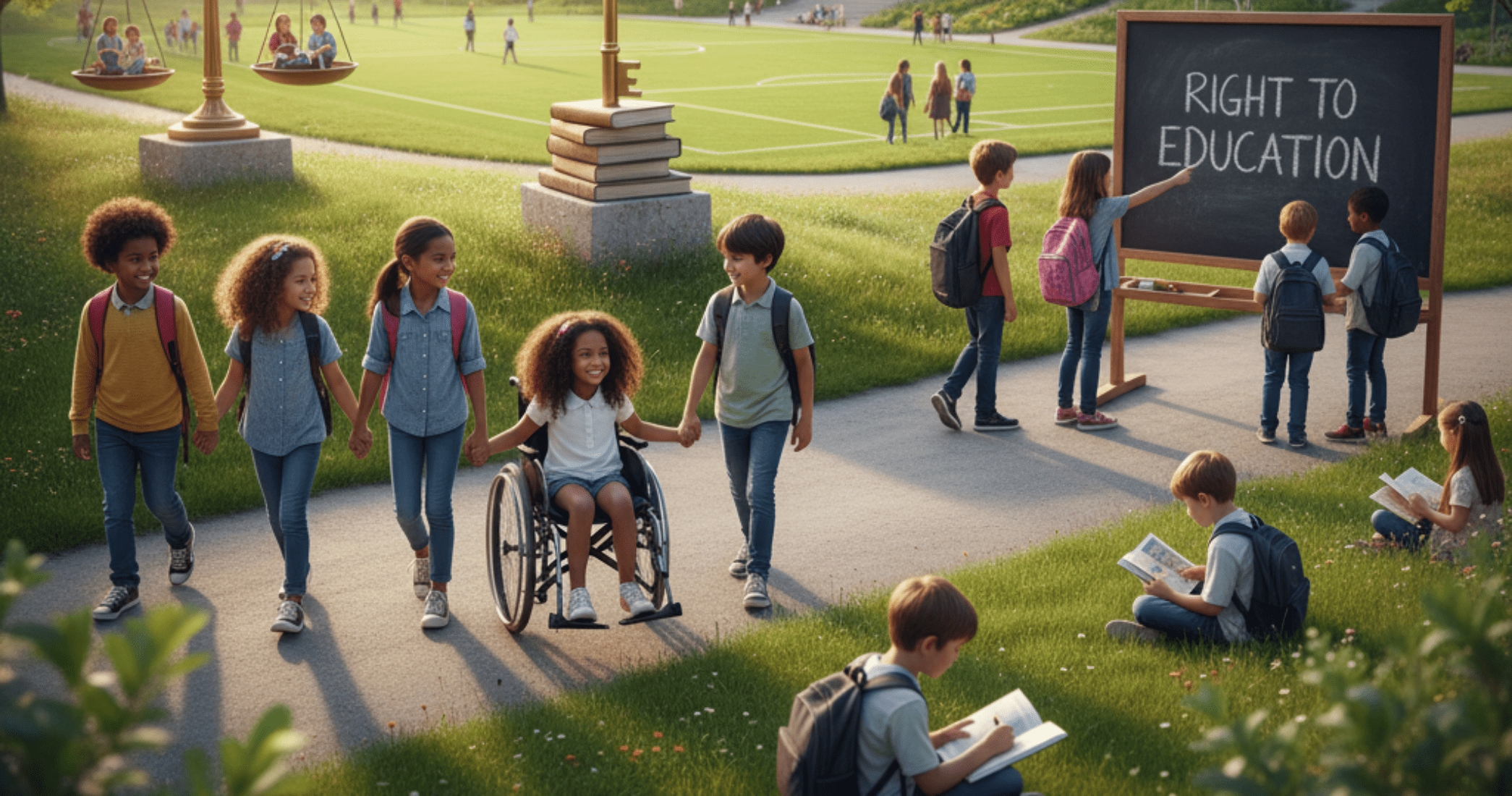
Education is more than just classrooms and books. It is the foundation for a progressive, democratic society. Access to quality education in India was once only available to a select few. This changed after the Right to Education Act. India has taken a major step in ensuring that all children, no matter their background, have the chance to grow and learn. The Right to Education (RTE ) has changed the way that we look at schooling, equity and responsibility within the education sector. What does this actually mean? Why is it so important? And what are the responsibilities that it places on government, schools and society as a whole. Let’s get started. Understanding the Right to Education of Indian Children The right to education guarantees that children aged 6-14 receive a free and compulsory educational experience. In 2009, India became one of few countries where education was made a legal right. To better understand let’s begin with the RTE full form in education Right of Children to Free and Compulsory Schooling. It is a simple phrase that comes with a great responsibility: providing an education inclusive for all children, especially those from marginalized groups. The Right to Education Act also mandates that no child be denied admission to school on the basis of caste, religion, gender, or economic status. Inclusion is the key to a more equal society. Why Education is Important Education is more than just literacy, it’s empowerment. Lack of education can prevent children from achieving financial independence, employment and making informed decisions. The Right to Education seeks to close this gap through equal opportunities. RTE is essential for many reasons. Bridging Inequality: This reduces social inequality by providing equal learning opportunities to all children, rich or not. Economic empowerment : A well-educated population contributes to the growth and development of a nation. Social inclusion Education promotes tolerance, inclusivity and equality. Foundation of rights awareness : Children are taught their rights and responsibilities at a very young age. The Right to Education Act, which focuses on access, has opened the door for millions of kids to dream without boundaries. Objectives Of RTE Act The objectives of RTE Act 2009 go far beyond opening the school gates. Its vision is to create a solid educational foundation, while also ensuring quality and inclusivity. Some of the major objectives include: All children between 6 and 14 years old are entitled to free education. Eliminating discrimination from schools and classrooms Assuring minimum infrastructure, such as safe classrooms and drinking water. To ensure that students receive individualized attention, maintain the ratio of pupils to teachers. Promote child-centric learning rather than rote memorization. Ensure quality education by ensuring that teachers are trained. These objectives emphasize that the right to education does not just concern access, but also quality and equity. Responsibilities under the Right to Education It is not enough to pass a law; it must be implemented effectively. The Right to Education Act assigns responsibility to multiple stakeholders. 1. The role of the government It is the state’s primary responsibility to make sure that schools are properly equipped, have well-trained teachers, and are funded to operate effectively. 2. The role of schools Private schools must reserve 25% of their seats for children who come from the economically weaker sections. The private schools must also avoid screening tests and capitation fees. 3. Parents’ role It is the parents’ responsibility to enroll and encourage their children’s regular attendance. Many parents from rural and poor urban communities are unaware of their children’s right to education. 4. The Role of Society Civil society platforms and organizations like vidyalay.org often support awareness campaigns and educational initiatives that complement government efforts. The Act makes education a collective effort by dividing responsibilities. Challenges to Implementation The Right to Education has a transformative effect, but it is not always easy to implement. Some schools still lack proper infrastructure. Teacher shortages, insufficient monitoring and dropouts are still pressing concerns. In addition, the RTE full form in education is not widely known in India. It is equally important to bridge this information gap as it is to build classrooms. The Right to Education: Benefits Despite its challenges, Right to Education Act delivered significant benefits. Millions of previously excluded children are now in school. The social acceptance of equal educational opportunities has increased. Some of the main benefits include: Increased enrollment for girls and children from underprivileged groups. An increase in literacy rates across all states Focus on holistic and inclusive development. Parents need to be more aware of their rights as parents. Implementing the objectives of RTE Act 2009 effectively will result in a society that is more empowered and equitably distributed. Strengthening RTE The Right to Education has been a milestone, but must evolve to meet changing needs. The next steps are to improve teacher training, update curricula and integrate technology into classrooms. vidyalay.org plays an important role in spreading awareness and providing educational materials. India can continue to benefit from the Right to Education Act by collaborating with government, NGOs and digital platforms. Final Thoughts The Right to Education Act does not only represent a law, but a promise. The Right to Education Act is a promise that all children in India will have equal access to education, growth, and knowledge. Understanding the RTE full form in education and the objectives of RTE Act, 2009 as well as the challenges that it assigns will help us to appreciate the importance of education for national progress. India’s future depends on our ability to uphold this right. It is not only the responsibility of the government to ensure quality education for everyone, but also that of society collectively. When implemented in true spirit, Right to Education has the potential to transform the lives of individuals and the future of a nation. FAQs 1. What is the Right to Education Act? The Right to Education Act in India guarantees free and mandatory education to children aged between 6-14. This act promotes inclusivity, and
The Importance of Quality Education in Achieving Sustainable Development
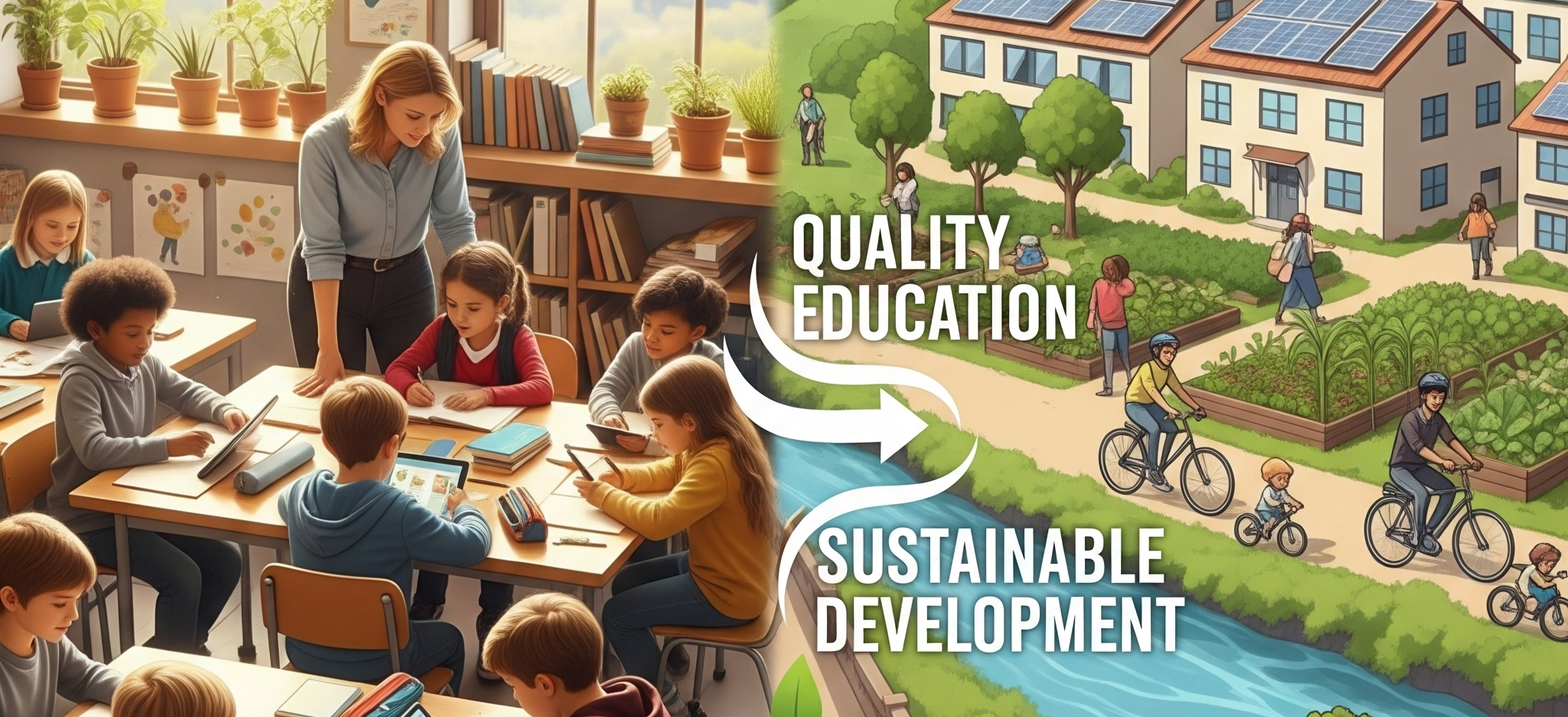
Education has always been the primary driver of progress, and understanding why education is essential is crucial. In today’s world, the role of education in sustainable development is inextricably linked to building sustainable societies, developing future leaders, and ensuring equal opportunities for all. Quality education is crucial for long-term growth and is a key pillar of the Sustainable Development Goals framework. It forms the foundation for a nation’s social, economic, and cultural development. Why Quality Education Is Important for Sustainable Development The role of education in sustainable development entails meeting current needs without jeopardising the future. To realise this vision, people must have the knowledge, values, and skills to drive innovation while preserving social and environmental balance. In this case, quality education is critical. This is because it teaches not only academic knowledge but also critical thinking, problem-solving, and responsibility skills, all of which are required for society to thrive. Children who receive quality education learn more than just math and science. They also learn how to make decisions that affect both their community and the environment. Schools promote inclusion and holistic development, which helps shape citizens who value sustainability and equity. This explains why we need education, not only to achieve academic success but also to cultivate values and skills that preserve social and ecological balance. Promoting Economic Growth through Education A strong economy cannot exist in the absence of a skilled and educated workforce. The role of education in sustainable development is to improve employment in the country and productivity while encouraging entrepreneurship. For countries that invest heavily in education, the result can be significant GDP growth and innovation. Workers with an educational background are more innovative, can quickly adapt to new technology, and are better prepared to meet global challenges. According to research, each additional year of education can increase an individual’s earning potential while also benefiting the overall economy. Therefore, education benefits both individuals and the economy as a whole. This shows why we need education in order to create a workforce that is capable of supporting innovation, entrepreneurship, and long-term growth. Empowerment and Social Equity Reduced inequalities are one of the most important aspects of education. Education for sustainable development can help to bridge the divide between different segments of society. When children from disadvantaged backgrounds have equal access to education, they will have the same opportunities for success. Education is essential, particularly for women. According to research, educated women are more likely to contribute to community development and make decisions. also have a better chance of keeping their family healthy. This avalanche effect shows how education is critical to achieving social equality and sustainable growth. Education and Environmental Awareness Humans who are aware of environmental issues and challenges will contribute positively to our planet’s future. Climate change, biodiversity loss, and global warming are issues that require widespread attention. High-quality education incorporates environmental studies, sustainability, and global citizenship into the learning process Schools prepare students to become environmentally conscious citizens of tomorrow by teaching them about renewable energy, conservation, and responsible consumption. Online resources such as vidyalay.org play a crucial role emphasising the importance of providing urban and rural students with access to learning platforms that promote environmental awareness. Developing Skills for a Sustainable Future Education for sustainable systems must adapt in order to teach students how to collaborate across industries, solve real-world problems, innovate responsibly, and work together. Quality education fosters the following essential skills: Critical thinking and problem solving – Equipping students to face necessary challenges. Digital literacy refers to preparing people for a technology-driven economy. Collaboration enables teamwork among people from various backgrounds Adaptability gives learners the ability to adapt to rapidly changing environments. These skills are essential for creating sustainable communities that rely on innovation and collaboration. Improving Access to Technology for Quality Education Technology has transformed education. Digital learning platforms allow students to access high-quality resources even from remote locations. Online classes, smart classrooms, and eLearning modules have all helped to bridge the gap that previously prevented many children from accessing a basic education. NGO’s like Vidyalay.org demonstrate how technology can democratize education for underprivileged populations. Digital tools can promote long-term growth in individuals and societies by making resources more affordable and accessible. Challenges in Providing Quality Education Despite the benefits, there are some challenges. Millions of children lack basic infrastructure and access to qualified teachers. Rural areas are frequently underfunded, while urban areas may be overcrowded and provide unequal opportunities. Another issue is that traditional curricula do not align with the skills required in modern society. Students who do not receive up-to-date education may be unprepared for long-term development. Closing these gaps will require global cooperation, policy changes, and community-driven initiatives aligned with the sustainable development goals quality education target Education is a global responsibility The United Nations has a number of priorities. Sustainable Development Goals quality Education, making it the most important global objective. To reach this objective, governments, non-governmental organizations (NGOs), and educators must collaborate. Building schools is important, but creating educational systems that prioritize lifelong learning and sustainability is equally essential To provide equal access to education for all children, international organizations and local groups must work together. Inclusive solutions like Vidyalay.org become increasingly essential for successfully reaching global goals Conclusion Nobody can deny that quality education is an important factor in achieving sustainable development. Education is the common thread that connects all aspects of sustainability, including economic growth, social justice, environmental awareness, and skill development. A world that invests in its students invests in its own future. Societies can positively influence future generations by ensuring that every individual has the opportunity to learn, grow, and innovate. Education is more than just a way to achieve personal success. Education is the foundation for a sustainable and equitable world. FAQ’s 1. Why is quality education important for sustainable development? Quality education is important because it equips individuals with academic knowledge, critical reasoning, problem-solving, and responsibility skills. It promotes social inclusion, environmental consciousness, and decision-making abilities. All
From Dropout to Graduate: How Educational Support Programs Change Destinies

School dropout rates are a major concern in many communities. Innovative educational support programs can help a child change their trajectory from dropping out of school to graduating. These initiatives are beacons of hope, implementing school dropout prevention strategies with targeted strategies that lift up students, families, and communities. These programs are transforming lives by addressing the root cause, whether it is economic challenges, academic struggles, or emotional obstacles. Understanding the Dropout Dilemma It is rare that a student decides to drop out of school on their own. This is usually the result of a combination of factors, including financial stress on families, difficulties with learning, lack of motivation, and poor school infrastructure. Students often feel uninterested due to lack of engagement, poor teaching methods, or feeling overwhelmed by personal challenges. Effective school dropout prevention programs recognize this complexity. They do not just focus on academics. They also aim to rebuild the student’s confidence in learning and provide emotional scaffolding. The Core Strategies that Make a Difference Educational support programs employ several transformative strategies: Early identification and mentorship Early identification of at-risk students is possible by tracking attendance and performance. Then, one-on-one mentorship helps them to re-engage both academically and emotionally. Scholarships and Financial Incentives Small stipends and scholarships can help students who are economically disadvantaged overcome their obstacles. This reinforces the idea that “your education is valuable.” Academic Tutoring & Remedial Classes Many students drop out not from lack of ability, but because they’ve fallen so far behind that catching up seems impossible without additional support. These programs can help students fill in the gaps and regain their confidence. Life Skills and Psychosocial Support Integrating emotional learning—resilience, communication, and self-esteem—within curricula helps students cope with challenges and builds a growth mindset. Parent and Community Engagement Families and communities have a crucial role to play. Parents can be educated about the importance of education through workshops. These programs, which combine these methods under the School Dropout Prevention umbrella, are more successful in keeping children enrolled and involved. Real-Life Transformations An NGO in the area introduced a program that included attendance tracking, tutoring after school, and a mentoring network. Urban programs that work with schools to identify students who are struggling early have seen amazing turnarounds. Students who receive academic and emotional support report having shown improvement in grades and increased interest in education. These success stories demonstrate the tangible impact of school dropout prevention initiatives. This impact is measured not only by statistics but also by individual successes and restored dreams. Why do these initiatives work Personal Attention Students who are struggling with academics or emotions often feel invisible. Mentoring and remedial sessions provide tailored support at the right time. Holistic Support Academic support alone is not enough. Comprehensive programs that combine life skills training and psychological support with tutoring build stronger, more resilient people. Economic Relief Scholarships, midday meals, and book stipends can help families decide to continue their education. Community Reinforcement Mobilizing local leaders and parents to promote education can create a safety net for the community that encourages children to remain in school. These pillars are designed to overcome the barriers that lead to school dropouts. They offer a formula for success on a long-term basis in school dropout prevention. Building Your Support Program: A Guide for Change – Makers Set Up Mentorship Circles Mentors can be older peers, teachers, or community volunteers who are willing to check in with students and provide guidance. Offer Academic Catch-up Support After-school remedial courses covering core subjects and study skills. Offer Socioeconomic Assistance Even small assistance like uniforms, bus passes, or food/midday meals can keep a student enrolled and motivated. Incorporate Life Skills Lessons Students can overcome challenges by attending workshops on goal-setting and stress management. Spotlight on One Student’s Journey Priya is a 14-year-old girl from Uttarakhand who used to carry schoolbags that were heavier than her books, both physically and mentally. Without any support, Priya fell behind, lost interest, and almost dropped out of school. A local educational program recognized her case and paired her up with a mentor. They also provided her uniforms, meals, and tutoring after school. Priya not only excels academically, but she also dreams of becoming an engineer. Her success is proof that school dropout prevention can transform a person’s life. Measuring the Long-Term Impact Educational nonprofits consider programs that reduce dropouts per year to be highly successful. The true measure of success is what happens after school. This includes better career prospects, increased college attendance, and more community involvement. University researchers and policymakers also recognize that targeted efforts to prevent school dropouts reduce unemployment rates, teenage pregnancies, and social marginalization. This has a long-lasting impact on future generations. Final Thoughts—A Collective Responsibility Every student should have a chance to complete school, and every graduate will enrich society. We invest in the prevention of school dropouts to create a brighter future, stronger communities, and a world that is more equitable. Consider volunteering, mentoring, or donating if you are passionate about education. Join an NGO such as vidyalaya.org that reduces school dropout rates by using technology-driven academic support and emotional support programs. Frequently Asked Questions What is school dropout prevention? School dropout prevention is a targeted initiative designed to identify students at risk and provide them with academic, emotional, and financial support to help them complete their education successfully. This reduces the likelihood of early termination. Why is school dropout prevention important? School dropout prevention is important because it helps students develop essential life skills and enhances their earning potential over the long term. It also contributes to a more educated, economically stable community. What are successful strategies in school dropout prevention? Effective dropout prevention includes early detection of academic struggles. Mentorship programs, after-school tutoring, socioeconomic support, and integration of life skills into the school curriculum are also effective strategies. How can individuals contribute to school dropout prevention? By volunteering as a mentor or donating money to NGOs that support education, such as
Top 10 Challenges Facing Rural Education in India and How You Can Help
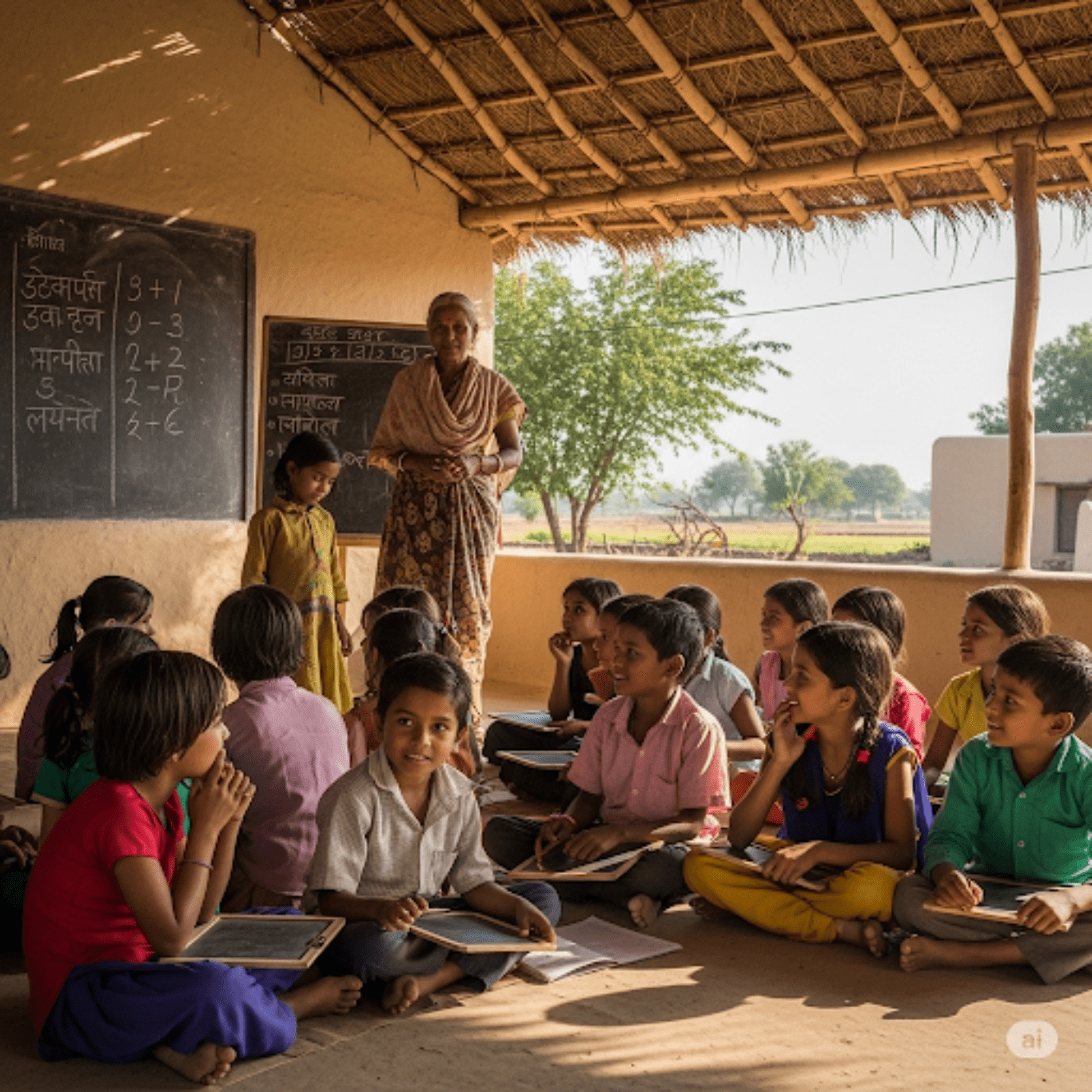
Despite significant government and NGO efforts over the years, rural education in India continues to face substantial challenges that prevent millions of children from accessing quality education. the progress made by the government and non-governmental organizations over the years. These educational barriers, from infrastructure gaps to poor access to digital technology, prevent millions of kids from receiving the education they deserve. Here’s the truth: you don’t have to be a politician to make a change. Even individuals and small groups, with the right awareness and actions, can help bridge the rural-urban educational divide. Rural Schools Lacking Adequate Infrastructure Government data shows that 23% of rural schools lack basic drinking water facilities, and 15% don’t have functional toilets. The lack of toilets and clean drinking water in schools, as well as electricity, is one of India’s primary educational barriers. Lack of sanitation facilities is a major reason for girls dropping out. Students are often seated in crumbling classrooms with poor ventilation and lighting. In order to solve the educational issues faced by remote village schools, it is important to address these infrastructure gaps. Supporting local school improvements or community-led initiatives can boost school attendance and improve learning outcomes. Closely related to infrastructure challenges is the issue of insufficient and inconsistent human resources in rural schools. 2. Teacher Absenteeism and Shortages According to the Ministry of Education’s UDISE+ data, India faces over 1.2 million teacher vacancies, with rural areas bearing the brunt of this shortage. Rural teachers are often posted far away from their hometowns and are not motivated or do not have adequate supervision. The lack of support and training for teachers in the local area is one of the main educational barriers. You can help bridge this gap as an educator, skilled volunteer, or by supporting platforms that focus on village education reform like Vidyalaya.org, which is dedicated to improving rural education by data-driven interventions. While physical barriers are significant, human resource challenges pose equal concern, particularly in communication and teaching methods. 3. Language Barriers to Education India’s linguistic variety adds to the complexity of its education system. Children in many villages grow up speaking tribal or regional dialects, but school instruction is usually given in Hindi or English. This language barrier leads to confusion, poor comprehension, and eventually student dropouts To overcome these educational barriers, you need bilingual and contextualized learning materials. By promoting or creating regional language resources, more rural Indian students can access education. 4. Long Distances to Schools Many children in remote villages must travel several kilometers to reach the nearest school. They often have to walk long distances over rough terrain, as there is no public transportation. This journey is especially challenging for young girls and younger children, who are often forced to drop out of school due to fatigue. Supporting bicycle donation drives or setting up local transport systems via panchayats and NGOs helps with these access-to-school issues in remote communities. Beyond staffing issues, socioeconomic factors create additional hurdles that keep children out of school. 5. Child Labour and Economic Pressures In rural India, poverty is one of the biggest barriers to education. Many families rely on their children to earn extra income by doing farm work, household chores, or labor. For these families, immediate survival takes precedence over education. Supporting midday meal programs, scholarship programs, or conditional cash transfers, you can help reduce dropouts and encourage children to focus on their education rather than survival. 6. Digital Literacy and Technology Access The digital divide has widened significantly as online education becomes more prevalent. Rural schools are not equipped with internet, devices, or power. This growing digital divide is now a major educational barriers in rural areas. Individuals can help by donating refurbished devices, setting up low-cost classrooms, or supporting initiatives like Vidyalaya.org, which bring tech-enabled solutions to rural schools that are underserved. 7. Gender Disparity and Social Norms In rural India, girls are still discriminated against when it comes time to get an education. Girls are often forced to leave school early or never enroll due to a variety of reasons, including safety concerns and cultural attitudes that favor boys. To break this cycle, we need targeted interventions such as mentorship programs for young girls, family counseling, or awareness campaigns at the community level. To achieve holistic rural development, it is important to tackle gender-based education barriers. 8. Nutritional deficiencies and poor health Children who are undernourished or unwell find it difficult to concentrate, be active, or attend regularly. Poor health leads to frequent absenteeism, disrupting children’s learning continuity Health-related barriers to education can be removed by running health check-ups and providing hygiene kits and nutrition support. 9. Low Parental Literacy and Engagement Many rural families have parents who are either illiterate or not educated. It is difficult for parents to provide support to their children’s education, and the value of formal schooling is reduced. You can support community workshops explaining the long-term advantages of education, parent engagement campaigns, or WhatsApp-based awareness content. Addressing this barrier often leads to improved student motivation and retention 10. Rote learning over conceptual understanding Most rural schools still use outdated teaching methods that focus on memorization. This limits children’s critical thinking and leaves them ill-prepared for real-life challenges. Promote activity-based kits, digital storytelling, or concept-based education to modernize rural classrooms. This will help overcome one of India’s most pressing challenges How You Can Make a Difference Help is available to anyone, regardless of their financial status or political affiliation. Start small but be consistent. Adopting a school is possible through NGOs that are verified. You can help with the infrastructure and academic needs. Online or on the ground, you can volunteer your time and skills. Improve digital access to education or teaching methods by partnering with local educators. Talk, share, and post to raise awareness of the education barriers still present in India’s rural villages. Final Thoughts: Change Begins with You India can only grow when its villages grow, and education is the strongest pillar
What’s the Legal Status of Homeschooling in India?

Do You think your child should learn at home instead of in school? Homeschooling is becoming a popular alternative for Indian parents because it offers a flexible and child-centric approach. Many Indian parents are worried about the “one-size-fits-all” education system, academic stress and lack of emphasis placed on creativity and life skills. Ask yourself the following question before you jump: In India, homeschooling is permitted If you are wondering about the legal status of the homeschooling process, this blog will provide an overview on the rights that parents have and a guide for those planning to educate their children at home. What exactly is homeschooling? Homeschooling involves parents teaching their children at home, rather than enrolling them in a traditional school. It allows for flexible schedules, personalized learning paths and a nurturing atmosphere that is tailored to a child’s interest and pace. In India, homeschooling is on the rise. This has been especially true since the pandemic. Parents want to have more control over their children’s education and emotional well-being. In India, homeschooling is permitted What is the short answer to this question? The truth is, it’s not all black and white. India has no specific laws that regulate or prohibit homeschooling. Even though many education boards do not endorse it, homeschooling is legal. The most important thing you need to know: Under the Right to Education Act of 2009, all children aged 6-14 receive a free and compulsory education. However, it is not stated that education must be conducted in a classroom. In 2010, Delhi High Court heard a case to clarify the law on homeschooling. It was concluded that the RTE Act does not prohibit homeschooling, as long as it’s done in an honest manner. You may still be wondering “Is homeschooling allowed in India? The answer is yes. Yes, you can, as long as your child’s rights to education are respected. What You Should Know About Legal and Policy Perspectives Let’s take a look at the recent policy and legal changes that have helped shape India’s homeschooling landscape in order to understand whether it is even possible. RTE Act The Right to Education Act of 2009 puts a great emphasis on formal education, especially for children aged 6-14. Parents are not penalized for teaching their children at home. Parents should be aware of the local policies and regulations. You should ask this question again: Does homeschooling in India fall under state-specific rules? National Education Policy 2020 The NEP 2020 presents new opportunities for reforming Indian education, including: Flexible Curriculum and Teaching Methods Self paced learning and experiential education are on the rise Homeschooling philosophy aligned with recognition of different learning styles Although it promotes flexible learning, the NEP does NOT regulate or legalize homeschooling. Yes! A concise paragraph with bullet points. Why do Indian parents homeschool their children? Indian parents increasingly choose alternatives to traditional classrooms in order to provide flexibility, individualization and emotional well-being for their children. Because it’s the best fit for their children. Homeschooling is becoming more popular. Customized learning programs allow you to teach your child at their pace Enjoy more time for hobbies, creativity and other life skills Less stress for exams and rote learning A stress-free and safe environment for learning Supporting children with special needs Schedules that are flexible to meet your needs and those of your family When parents opt for a non-traditional path, is homeschooling allowed in India? Can homeschooled children in India get certified? Indian homeschooled students can earn certifications even if they don’t attend a conventional school. The most common certifications include: National Institute of Open Schooling (NIOS) The Government of India fully recognizes the company. Exam schedules, flexible subject options and admission timelines A great choice for students homeschooled who wish to earn a formal certification. IGCSE/International Boards Many homeschooling families choose Cambridge IGCSE for its support of both private and external candidates. Has a curriculum that is internationally recognized Students who are planning to study abroad or follow an international academic path. State Open Boards In some Indian states, private candidates are allowed to take exams as part of their open schooling system. Consult your local guidelines to find out what is available. Even without traditional schooling, homeschooled Indian students can still pursue higher education, pass competitive examinations, and build successful careers. It is possible to do this through legitimate and recognized education boards. How to start homeschooling in India Homeschooling is a popular option for Indian parents who want to provide individualized and flexible education. Learn about the different types of homeschooling. You can learn about unschooling, structured learning or other approaches by joining local or online communities. Select a curriculum that is most suitable for your child. Options such as NIOS and IGCSE are very effective. Create a fun learning environment for your kids at home. This is how: Discover different learning styles such as unschooling, structured methods and more. Join online/offline homeschooling communities. Choose a curriculum: IGCSE, NIOS or Montessori. Setting simple, achievable learning goals is the best way to reach your goals. Use a learning portfolio to track your progress. Stay up-to-date with the latest RTE policies and NEP policies. Is homeschooling permitted in India? Homeschooling is legal in India, but there is a gray area. It is becoming more popular. Homeschooling is not prohibited by law, and court rulings have confirmed that parents are allowed to educate their children at home. Homeschooling in India is set to grow with the support of flexible education boards like NIOS and IGCSE, as well as the progressive NEP 2020.
Everything You Need to Know About Online Schooling in India: Pros, Cons & How to Succeed

Imagine a classroom without walls, blackboards, or morning assemblies. All you need is a screen and a curious mind. The new face of Indian education. Online schooling is now a popular choice in India as the digital wave spreads to villages and cities alike. Can a virtual classroom replace the real school experience? What are the real pros and cons? How can students be successful in this new learning model? This blog will explain everything you need to know about online education in India, from the pros and cons to practical tips to help your child thrive in this digital classroom age. What is online schooling? Online learning is a digital system that allows students to log on from home and virtually attend class through the internet. Teachers are certified to conduct digital classrooms. Online assignments, assessments and projects Apps and learning management systems Videos, quizzes and simulations are all interactive content. Online schooling is available in India through a variety of platforms. These include government-backed systems such as NIOS and private edtech startups. Online Education in India is Growing India’s educational landscape has traditionally been dominated by classrooms. Online learning became essential during the COVID-19 epidemic, and millions of children switched to digital classrooms overnight. Online education in India has continued to grow post-pandemic due to: Even in rural areas, internet penetration is increasing Smartphones and laptops at affordable prices Alternative education methods: increasing awareness Demand for flexible and skills-based learning The Benefits of Online Education in India Take a look at some of the most attractive advantages to online education in India. Flexible Learning Students can learn on their own schedule and at their own pace. Allocate time for hobbies, extracurricular activities or skill-building Personalized Education Adaptive learning tools and one-on-one sessions to answer questions help you cater to your individual learning style. Students can review recorded lectures at any time. Access to Diverse Experts and Courses Learn to code, learn foreign languages, play music or any other niche subject that is not offered at traditional schools. Experience the expertise of teachers from all over the country Safety and convenience Online schooling is a safe option for all children, but especially those with health conditions or during times of crisis. Savings in time and energy when you don’t commute. In some cases, it is cost-effective No uniform or transportation costs Online schools and open-schooling systems can be more affordable than private schools. Cons of Online Education in India Online education in India has its limitations, despite the benefits. Here are some of the most common problems: Limited Social Interaction Lack of face-toface interaction can affect emotional and social development. Sports, team building exercises, and group activities may be missed by students. Digital Divide Some families do not have access to smartphones or laptops, or reliable Internet. The rural and economically disadvantaged sections of the country may be left behind. Parents Must Supervise Children Parents need to be involved, especially with younger children. Working parents find it difficult to manage their time. Screen Time Concerns The excessive exposure to screens can affect sleep, posture and eyesight. Lack of physical activity can cause a variety of health problems. Risk of Distraction Online platforms, with their notifications and entertainment applications, can be a source of distraction. It is important to have self-discipline, but this can be difficult for young learners. How to succeed in online schooling: Practical tips The challenges of online schooling in India are real. However, with the right approach they can be overcome. Here are some tips on how Indian students can succeed in online education: Create a Study Area Choose a quiet, clutter-free corner for classes. Keep your books, stationary, and other devices in order. Create a daily routine Maintain a fixed schedule of study to develop discipline Include breaks, meals and physical activity to the schedule. The Right Tools Install video conferencing apps and learn how to use them. Engage your students with educational platforms that have interactive content. Stay in touch with teachers Attend live sessions on a regular basis. Participate actively and ask questions in the discussion. Balance Screen Time Every 20 minutes, take 20 seconds to look at something that is 20 feet away. Include offline activities such as reading, drawing or playing outdoors (if possible). Encourage the development of skills Learn new skills in your spare time, such as public speaking, coding or creative writing. Stay motivated by participating in online challenges and competitions. Include Parents & Mentors Parents should monitor their children’s academic and emotional progress. For additional assistance, consider online tutors or mentors. What Parents can do to support their child’s online education In India, where the home environment is different, parental involvement is vital to a child’s success in online education. Parents don’t have to be teachers, but their role as supporters of learning is crucial. Creating structure, minimizing distractions, and encouraging consistency can make a big difference. Regular check-ins, positive reinforcement and regular feedback can help build confidence in a child. Collaboration is enhanced by staying informed about digital tools and keeping in touch with teachers. Together, they form the foundation of virtual learning. Key support tips for parents: Stick to a daily schedule Create a quiet, organized study space Monitor daily progress and assignments Celebrate your achievements no matter how big or small Encourage patience and perseverance in the face of challenges Keep in touch with your teachers and stay informed Conclusion: The Future of Learning Online education in India has become a major trend. The online schooling system has allowed students to learn from anywhere, regardless of their location. The shift from traditional classrooms into digital screens may have brought some challenges, but the
Success Stories From AAS Vidyalaya: Students Who Overcome Challenges
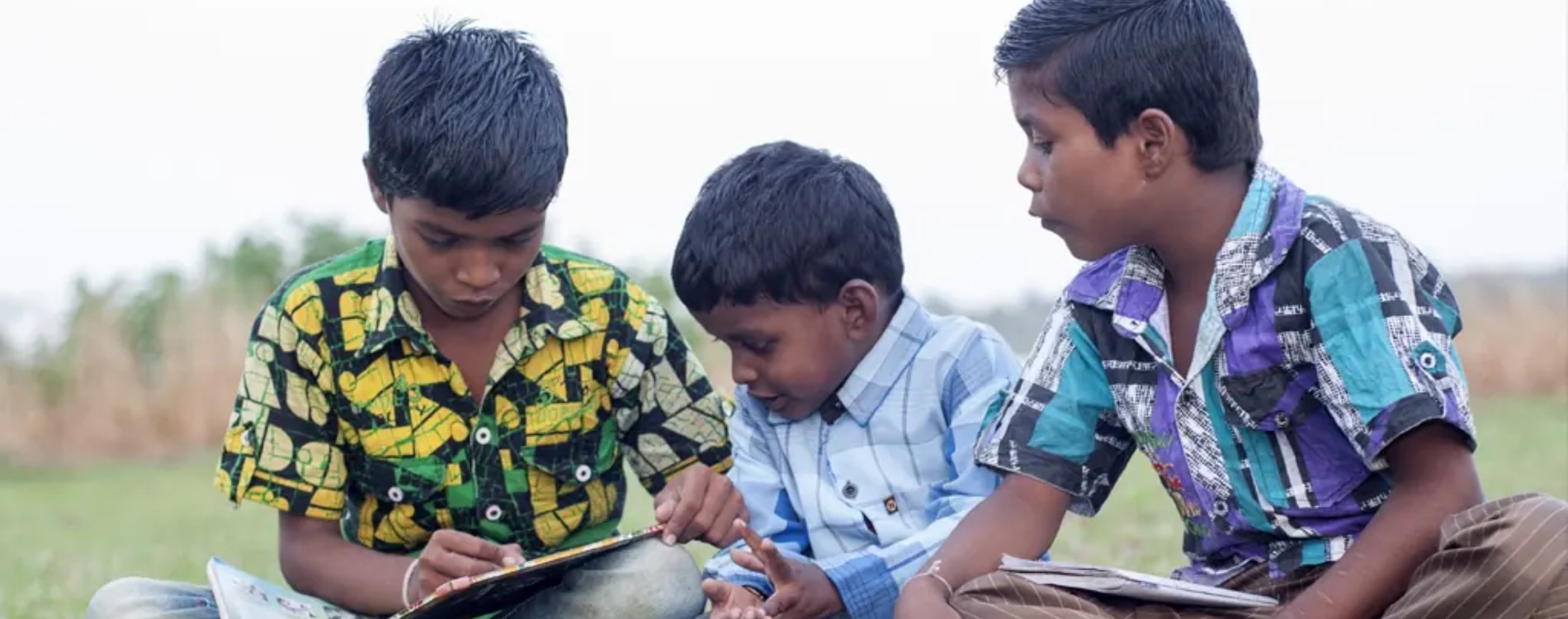
Rekha, 14, from a village in Uttar Pradesh, had to leave school to help out her mother. She had a strong desire to learn and become a school teacher. Her dreams seemed far away because there was no school in the area, and she had limited finances. Rekha started attending class regularly with just a basic smartphone. She has not only caught up on her missed classes but also helps other children in the village with their schoolwork. Her story is a powerful example of how education can transform lives and that technology can help bridge even the largest gaps. Arjun from Maharashtra – A Migrant Teenager Reclaiming His Future Arjun’s father was a construction worker, and his family had to move frequently because of this. Multiple school changes disrupted Arjun’s education and undermined his confidence. AAS Vidyalaya gave him a sense of continuity, allowing him to carry his online classroom with him wherever he goes. Arjun’s rhythm was restored through regular online support, recorded lessons, and flexible assessment. Recently, Arjun passed his 10th grade exams and now prepares for competitive entrance examinations. His story shows the importance of student-friendly tools and consistent access. Sana from Rajasthan: Learning while battling health challenges Sana, who was diagnosed with a chronic illness when she was 12, found it impossible to go to school. She felt isolated and anxious as she watched her dreams slip away. Her doctor suggested online learning. Sana was able to return to school from her own home with the help of AAS Vidyalaya’s flexible schedule and sympathetic teachers. Her confidence and health gradually improved. She aspires now to be a psychologist and help children who are affected by health issues in school. What makes AAS Vidyalaya different? These stories are not just happy coincidences—they’re outcomes of a thoughtfully designed learning ecosystem. What makes AAS Vidyalaya different, and how it helps students overcome obstacles: Device-Friendly Education: You can access courses via your mobile phone, even if you have limited data. Students can study at their own pace with recorded classes and live classes. Mentorship and support: Trained teachers, mentors, and coaches guide students based on the students’ background and needs. Curriculum Aligned with NIOS & State Boards: Ensures that certification is recognised, even for students who drop out. Flexible Exam Schedules: Students may take exams when they want, which reduces pressure and improves retention. These Success Stories Can Teach Us Lessons These journeys teach us valuable lessons about learning, resilience, and human potential. These stories aren’t just tales, but are also roadmaps of what is possible with the right support system. The Key Takeaways: Even a minimal amount of daily learning can lead to remarkable progress. Digital platforms such as AAS Vidyalaya help make this a reality. Empathy is important in education: teachers who are able to understand the challenges of a student have a lasting effect. Flexibility Promotes Productivity: Students who are allowed to learn at their own pace and on their terms will achieve better results. Community Support Accelerates Achievement: Collaborating with NGOs and community centres extends education’s reach. Parents and Communities can help. You can make a difference in the future of a child you know who has dropped out or is struggling at school. Here’s how: Spread the word: Make sure that families and communities are aware of AAS Vidyalaya’s offerings. Help with Setup: Assist with mobile access, app installations, or initial orientation. Encourage elder involvement: Grandparents and older siblings can offer support during study times to boost motivation. Create a Study-Friendly Area: Even a quiet area can improve learning and focus. Looking Ahead: Empowering Students One at a Time AAS Vidyalaya’s success stories are not an exception—they are the beginning of a larger movement. AAS Vidyalaya is a platform that demonstrates how education should and can be available to all, regardless of gender, location, income or circumstance. Every student who returns and continues to learn is a sign of hope. Each exam was a major milestone. Each dream was a victory not only for the child but also for society. What AAS Vidyalaya has to offer: Dropouts and children who are underserved can continue their education Learn anywhere, anytime with mobile-based flexible learning Mentorship and personalised support help to build confidence AAS Vidyalaya: A Change in Education that Can Transform Lives AAS Vidyalaya’s impact reaches far beyond the individual student. It reaches entire families and communities. Parents feel encouraged, siblings are motivated, and neighbours notice when a child returns to school. Education is more than just academics. It becomes a symbol for possibility. These success stories create a chain reaction that encourages others to make the leap, to seek help and to believe it is never too late to grow and learn. These students not only transform their lives, but become role models for their peers as they progress. AAS Vidyalaya creates leaders one student, story and breakthrough at a time. Final Thoughts AAS Vidyalaya offers a digital solution in a world of digital distractions. Not only content, but also compassion. Not only exams, but empowerment. These stories remind us of the fact that sometimes all a child requires is a single opportunity to succeed. A platform like AAS Vidyalaya makes this happen every day. Share these stories and support the mission.
What Is The Role Of Online Education In School?
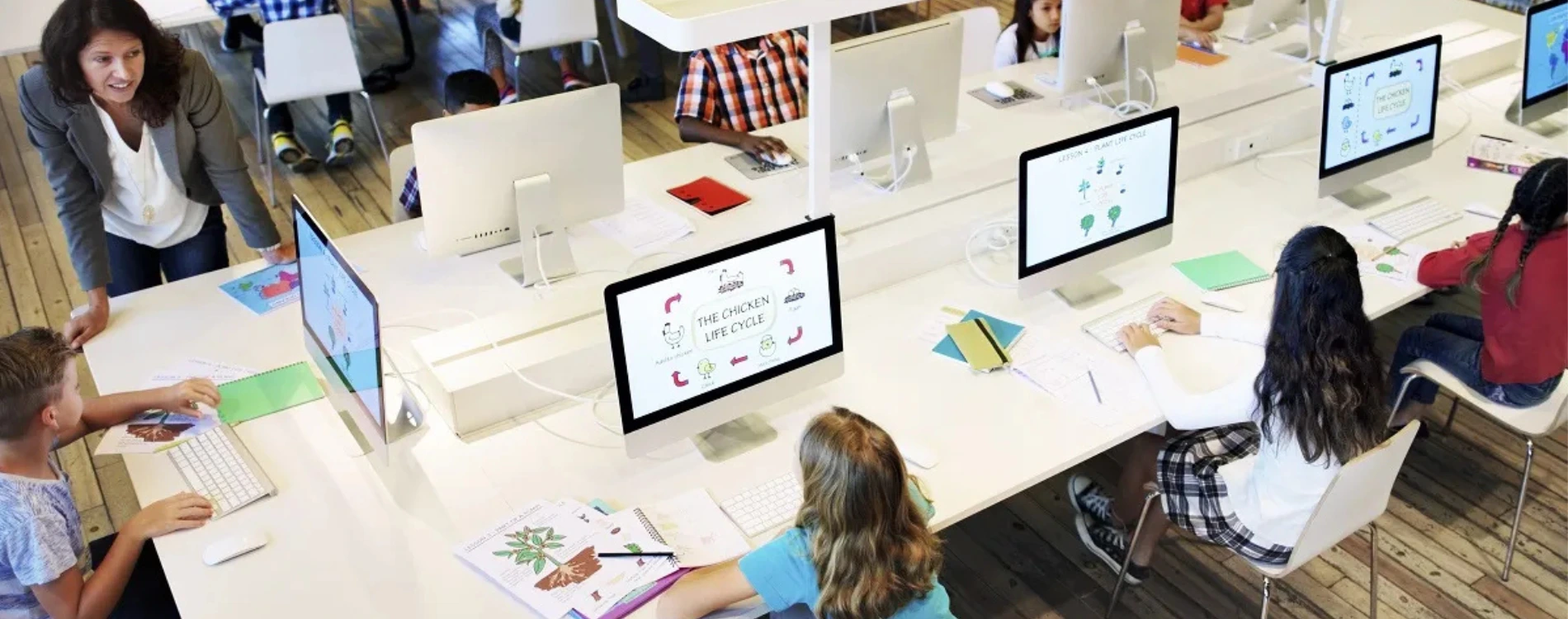
The Role of Online Education in Modern Classrooms In the digital age, education has evolved far beyond the traditional classroom setting. Online education has emerged as a game-changer, especially for schools, offering students, parents, and educators a wealth of opportunities for growth and development. While online education may not replace in-person learning entirely, it plays a crucial role in shaping the future of schooling. Understanding Online Education In Schools Online education refers to learning that takes place over the internet, either in a fully virtual environment or through a blended approach that combines digital learning with face-to-face interaction. It encompasses a wide range of tools and platforms, from live classes to pre-recorded lessons, interactive assessments, and digital resources. This new form of education can benefit students of all ages and educational levels, offering a flexible, personalized, and often more accessible approach to learning. It has gained significant traction in recent years, especially during the pandemic, and continues to evolve. Key Benefits Of Online Education In Schools 1. Accessibility And Convenience One of the most significant advantages of online education in school is its ability to break down geographical barriers. Students can access learning materials and attend classes from any location with an internet connection. This is particularly beneficial for students in remote or underserved areas where access to quality education might be limited. No commute: Students can attend classes from the comfort of their homes, saving time and energy, which will result in more productivity. Learning on the go: With mobile-friendly platforms, education becomes accessible even while traveling or during free time. 2. Flexibility In Learning Online education offers an unmatched level of flexibility, allowing students to learn at their own pace and convenience. This self-paced learning model helps cater to different learning styles and speeds, making it easier for students to master subjects without feeling rushed. Unsynchronized learning: Students can access recorded lessons and complete assignments on their schedule. Time management skills: Students learn to organize their learning time effectively, a skill that will be beneficial in their future careers. 3. Personalized Learning Experience Unlike traditional classroom settings, online education can offer a highly personalized learning experience. Platforms often use advanced algorithms to tailor lessons and assignments to a student’s unique strengths, weaknesses, and learning preferences. Adaptive learning tools: These tools adjust the difficulty level of tasks based on a student’s performance. Targeted interventions: Teachers can provide targeted support to students who are struggling with specific concepts. Challenges Of Online Education In Schools Despite its many benefits, online education does come with certain challenges that need to be addressed for it to be truly effective. 1. Digital Divide Not all students have equal access to the internet and digital devices. The gap in access to technology is still a big problem, especially for people in poor or rural areas. Device access: Some students may not have the necessary technology, such as laptops or tablets, to engage with online lessons. Internet connectivity: Poor internet connections can create interruptions in learning, making it difficult to follow along with live lessons or access resources. 2. Reduced Social Interaction Online education, while convenient, can limit face-to-face interactions between students and teachers, as well as among students themselves. The lack of social engagement can impact the development of essential social skills like communication, teamwork, and conflict resolution. Limited peer interaction: Students miss out on group activities, collaborative projects, and spontaneous conversations that happen in a physical classroom. Isolation: The lack of physical presence may lead to feelings of loneliness or disengagement among some students. 3. Self-Discipline And Motivation Without the structure of a traditional classroom, students need to be self-motivated and disciplined to stay on track. While some students thrive in this environment, others may struggle to maintain focus and complete assignments on time. Time management issues: Without strict schedules, students may procrastinate or miss deadlines. Decreased accountability: The absence of direct supervision can lead to a lack of responsibility for their learning. How Schools Can Integrate Online Education Effectively To maximize the benefits of online education while addressing its challenges, schools can implement a few strategies: 1. Blended Learning Approach One way to make online education more effective is through a blended learning model that combines both online and in-person instruction. This model offers the flexibility of online learning while maintaining the benefits of classroom interaction and socialization. Flipped classrooms: Teachers can assign online lessons for students to review at home, and then use classroom time for discussions, activities, and assessments. Collaborative projects: In-person group work can complement online learning, fostering peer-to-peer engagement and teamwork. 2. Enhanced Teacher Training Teachers need to be adequately trained in using digital tools and platforms effectively. By providing educators with proper training and resources, schools can ensure that they can create engaging and effective online learning experiences for their students. Tech skills: Teachers should be well-versed in using educational technology to facilitate learning. Engagement strategies: Online teaching requires different methods to keep students engaged, such as interactive quizzes, live discussions, and multimedia content. 3. Ensuring Equal Access To bridge the digital divide, schools should work towards ensuring that all students have access to the necessary technology and internet connection. This can be done through initiatives like providing low-cost devices, offering subsidized internet plans, or creating community hubs where students can access learning resources. Device loans: Schools can offer devices for loan to students who cannot afford them. Community support: Schools can partner with local organizations to help provide internet access to underserved students. The Future Of Online Education In Schools As technology continues to advance, online education will likely play an even more significant role in the future of schooling. Virtual reality, artificial intelligence, and other cutting-edge technologies have the potential to create even more immersive and personalized learning experiences. However, for online education to reach its full potential, it will require careful integration with traditional educational systems, ensuring that the focus remains on the holistic development of students.
The Future Of Learning: Why Virtual Schools Are Gaining Popularity

The landscape of education is evolving at a rapid pace, and virtual schools are emerging as a key player in this transformation. With advancements in technology and changing learning preferences, students and parents are increasingly looking at online education as a viable alternative to traditional schooling. The COVID-19 pandemic accelerated this shift, highlighting the benefits of digital learning and paving the way for the widespread adoption of virtual schools. But what exactly is driving the growing popularity of virtual schools, and what does the future hold for this mode of education? The Rise Of Virtual Schools Virtual schools, also known as online or digital schools, provide structured education through an entirely online platform. Unlike traditional schools that require physical attendance, virtual schools offer a flexible, technology-driven learning environment where students can access lessons, assignments, and assessments from anywhere. With the increasing demand for quality digital education, many institutions are now recognized among the best online schools for education, providing students with accredited programs and interactive learning experiences that rival traditional schooling. Factors Driving The Popularity Of Virtual Schools Flexibility and Convenience One of the biggest advantages of virtual schools is their flexibility. Students can learn at their own pace and schedule classes based on their individual needs. This is particularly beneficial for students who pursue extracurricular activities, such as sports, arts, or professional training, alongside their academics. Access to Quality Education Virtual schools remove geographical limitations, allowing students to learn from the best educators, regardless of their location. This is especially beneficial for students in rural or remote areas where quality schooling options may be limited. Personalized Learning Experience Unlike traditional classrooms, where a one-size-fits-all approach is common, virtual schools offer personalized learning experiences. Advanced learning management systems (LMS) use artificial intelligence (AI) to analyze student progress and adapt lessons accordingly, ensuring that students grasp concepts at their own pace. Cost-Effectiveness Virtual schools can often be more affordable than traditional private schools. With reduced costs related to transportation, uniforms, infrastructure, and physical study materials, online schooling provides a budget-friendly alternative for many families. Safe and Comfortable Learning Environment Concerns about bullying, peer pressure, and safety in traditional schools have led many parents to opt for virtual schooling. Learning from home provides a controlled and comfortable environment that minimizes distractions and stress for students. Advanced Technological Integration Virtual schools incorporate cutting-edge technologies such as AI, Virtual Reality (VR), Augmented Reality (AR), and gamified learning experiences, making education more interactive and engaging. These tools enhance understanding and retention of concepts. Challenges And Solutions In Virtual Schooling While virtual schools offer numerous benefits, they also come with challenges that need to be addressed: Lack of Social Interaction One of the biggest concerns about virtual schooling is the reduced opportunity for social interactions. To combat this, virtual schools incorporate group projects, live discussions, online extracurricular activities, and even periodic physical meet-ups to foster social development. Need for Strong Self-Discipline Online learning requires students to be self-motivated and disciplined. Parents and educators can support students by setting structured schedules and using progress-tracking tools to keep them engaged. Digital Divide and Access Issues Not all students have access to high-speed internet or digital devices. Governments and private organizations are working to bridge this gap through initiatives that provide affordable internet services and low-cost educational devices. Quality of Online Instruction The effectiveness of virtual schooling depends on the quality of digital instruction. To ensure high standards, teachers are being trained in online pedagogy, and schools are implementing interactive, multimedia-based content to enhance engagement. The Future Of Virtual Schools As technology continues to advance and the education sector adapts to new learning methodologies, virtual schools are expected to become a mainstream option for students worldwide. The future of online schooling is likely to see: Hybrid Learning Models: A blend of online and in-person learning to combine the benefits of both approaches. Enhanced AI-driven Personalization: AI will continue to refine personalized learning paths, ensuring every student gets tailored instruction. Global Learning Communities: Virtual schools will enable students from different countries to collaborate, fostering cross-cultural exchanges and a global learning perspective. Recognition and Accreditation: More virtual schools will gain accreditation, increasing their credibility and acceptance among universities and employers. Conclusion Virtual schools are not just a temporary trend—they represent the future of learning. By offering flexibility, accessibility, affordability, and innovative learning experiences, online education is transforming how students acquire knowledge. As technology and teaching methodologies continue to evolve, virtual schooling will play a crucial role in making quality education available to all, regardless of location or background. With the right strategies and infrastructure in place, virtual schools have the potential to redefine the global education system and empower future generations with limitless learning opportunities.
Education Beyond Borders: How Online Learning is Breaking Geographic Barriers
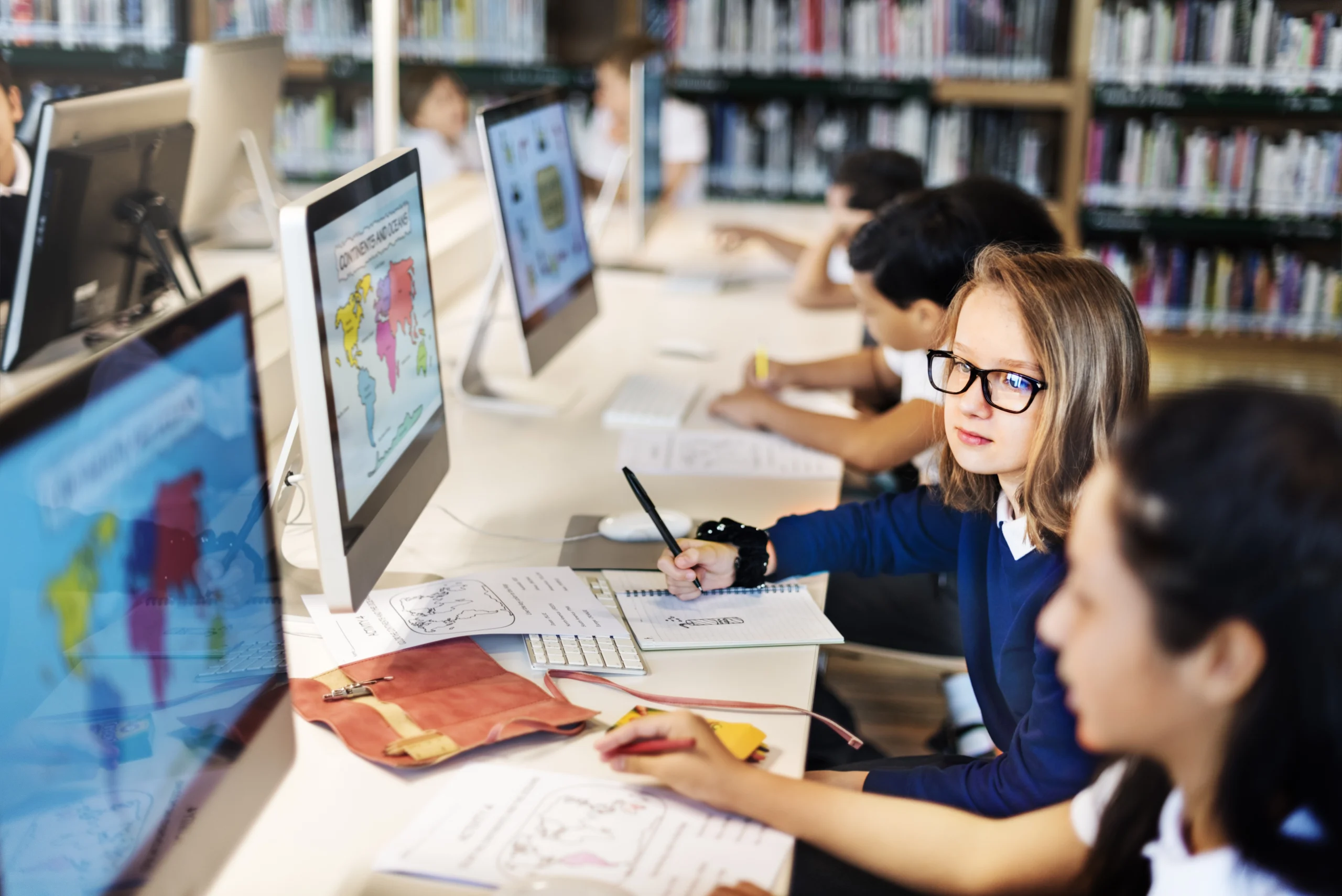
Education has long been bound by geographical constraints, limiting access to quality learning opportunities based on location. However, with the rise of online learning, these barriers are rapidly dissolving, creating a world where anyone with an internet connection can access top-tier education from anywhere. This transformation is redefining the educational landscape, making learning more inclusive, flexible, and borderless than ever before. The Rise Of Online Learning The internet revolutionized various industries, and education is no exception. Over the past decade, online learning platforms, including the best online education app in India, have gained immense popularity, offering courses in diverse subjects, from basic literacy to advanced technical skills. The COVID-19 pandemic further accelerated this shift, pushing institutions to adopt digital classrooms as the primary mode of instruction. Today, e-learning platforms like Coursera, Udemy, Khan Academy, and numerous university-led initiatives are democratizing education by providing high-quality content to students worldwide. How Online Learning Breaks Geographic Barriers Access to Global Institutions: Students no longer need to travel across countries or relocate to access world-class education. Universities and institutions across the globe now offer fully online degree programs, allowing students to earn qualifications from prestigious institutions without ever leaving their homes. Affordable and Flexible Learning: Traditional education often comes with high costs, including tuition fees, accommodation, and commuting expenses. Online learning significantly reduces these costs, making education more affordable. Moreover, flexible learning schedules allow individuals to balance work, studies, and personal commitments. Bridging Educational Gaps in Remote Areas: Rural and underprivileged regions often suffer from a lack of quality educational infrastructure. Online learning eliminates this issue by providing access to well-structured courses, expert instructors, and interactive learning resources, enabling students from these areas to learn without needing to relocate. Personalized Learning Experience: Traditional classrooms follow a one-size-fits-all approach, but online learning offers personalized learning paths. Students can choose courses based on their interests and skill levels, progressing at their own pace. This adaptability makes education more effective and enjoyable. Language and Cultural Inclusivity: Online learning platforms provide multilingual courses and culturally diverse content, making education accessible to learners from different linguistic and cultural backgrounds. AI-driven tools like real-time translation and captioning further enhance understanding, helping non-native speakers grasp complex subjects with ease. The Role Of Technology In Online Learning Advancements in technology continue to enhance the online learning experience in various ways: Artificial Intelligence (AI): AI-powered tutors, chatbots, and automated grading systems provide personalized support to students, enhancing engagement and understanding. Virtual and Augmented Reality (VR & AR): These technologies create immersive learning experiences, enabling students to explore historical sites, conduct virtual science experiments, and practice real-world skills in a simulated environment. Cloud-Based Learning Management Systems (LMS): Platforms like Moodle, Blackboard, and Google Classroom facilitate seamless collaboration between students and educators, ensuring a structured and interactive learning experience. Mobile Learning (m-Learning): With the rise of smartphones, learners can now access education on the go, making it possible for students in rural or remote locations to study at their convenience. Challenges And Solutions In Online Learning Despite its benefits, online learning still faces some challenges: Digital Divide: Not all students have access to stable internet connections or digital devices. To bridge this gap, governments and organizations are investing in digital infrastructure, providing low-cost internet plans, and distributing educational devices to underserved communities. Lack of Hands-On Learning: Certain fields, such as medicine and engineering, require practical, hands-on experience. Institutions are addressing this issue by incorporating VR/AR simulations, remote labs, and hybrid learning models combining online theory with in-person practical training. Student Engagement and Motivation: Without physical classrooms, some students struggle with self-discipline and motivation. Interactive elements such as gamified lessons, discussion forums, live sessions, and AI-driven progress tracking help maintain engagement. Accreditation and Credibility: Employers and institutions sometimes question the credibility of online courses. However, as top universities and organizations continue to offer accredited online degrees and certifications, the recognition and acceptance of online education are steadily increasing. The Future Of Online Learning The future of education is undoubtedly digital. With rapid technological advancements and growing global connectivity, online learning will continue to evolve, offering even more interactive, inclusive, and high-quality educational experiences. Hybrid learning models, which combine the best of online and traditional education, will become the new Principle, further Connecting gaps in accessibility and quality. Conclusion Online learning has shattered geographic barriers, making education accessible to anyone, anywhere. As technology advances and institutions embrace digital transformation, the global education landscape will continue to expand, empowering individuals to learn, grow, and succeed beyond borders. Whether it’s a student in a remote village gaining access to world-class education or a working professional upskilling from home, the impact of online learning is profound and far-reaching, paving the way for a more knowledgeable and connected world.